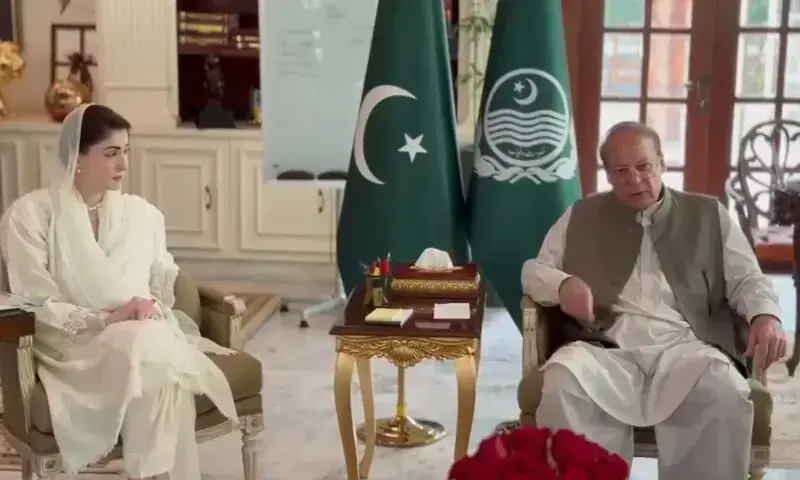
On February 9th, 2024, a notable shift occurred in Pakistan’s political landscape. Former Prime Minister Nawaz Sharif, who previously advocated for single-party rule, announced his intention to form a coalition government in Lahore. This decision followed the release of preliminary election results showing independent candidates backed by his rival, Imran Khan, leading the race. This sudden change presents a fascinating twist in the ongoing power struggle and raises several key questions:
From Self-Reliance to Compromise:
Sharif’s initial stance reflected a desire for a strong mandate and complete control. He believed a clear majority would grant him the authority to implement his policies without the need for compromise. However, the election results challenged this aspiration. Recognizing the lack of a definitive victory, Sharif displayed political pragmatism. By pivoting towards a coalition, he acknowledges the current political reality and opens the door to building a broader consensus.
Negotiations and Challenges:
Forming a coalition is no easy feat. Sharif will need to negotiate with various parties, each with their own agendas and demands. He’ll need to find common ground on critical issues like the economy, foreign policy, and social reforms. Building trust and ensuring a stable power-sharing arrangement will be crucial. The process could be lengthy and complex, potentially delaying government formation and policy implementation.
Impact on Political Landscape:
The prospect of a coalition government could reshape the political landscape in several ways. It might:
- Reduce Polarization: By bringing together diverse parties, it could foster dialogue and compromise, potentially mitigating the stark divides witnessed in recent years.
- Increase Uncertainty: The coalition’s stability and effectiveness will depend on internal dynamics and external pressures. Uncertainties regarding its longevity and policy direction could arise.
- Strengthen Democratic Processes: If successful, the coalition could demonstrate the ability of political rivals to collaborate for the national good, potentially strengthening democratic norms.
Sharif’s decision to seek a coalition marks a significant development in Pakistan’s political drama. Its success hinges on careful negotiations, addressing key concerns of coalition partners, and finding common ground for the nation’s well-being. Whether this shift towards collaboration paves the way for stability and progress or creates new complexities remains to be seen. The coming days and weeks will be crucial in shaping the direction of Pakistan’s political future.
Please, subscribe to the YouTube channel of republicpolicy.com