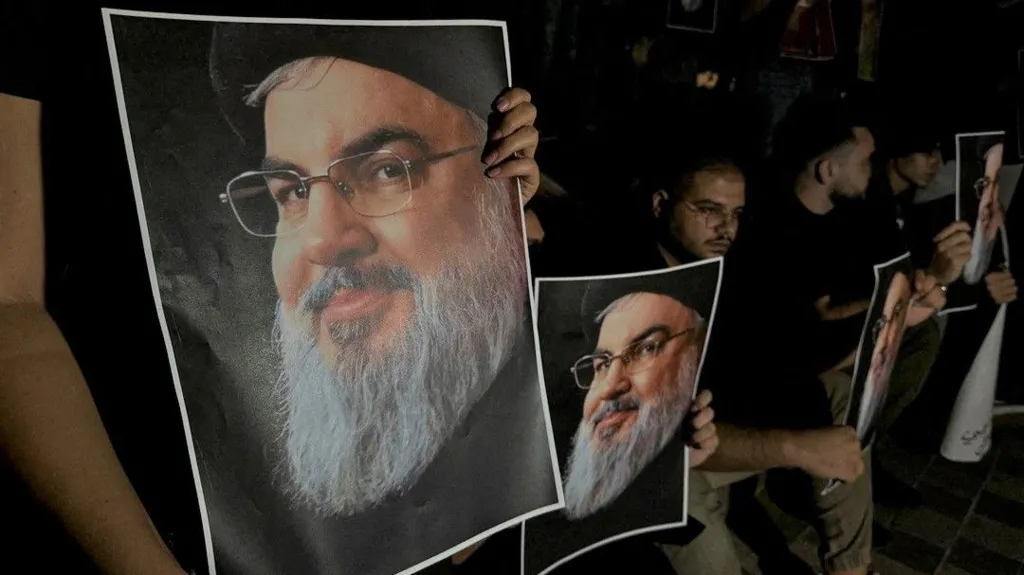

Israel’s assassination of Hassan Nasrallah, the long-standing leader of Hezbollah, marks a significant escalation in its conflict with the Lebanese militant group. This action potentially brings the region closer to a broader and more destructive conflict, involving both Iran and the US.
Where is it likely to go from here?
This largely depends on three basic questions:
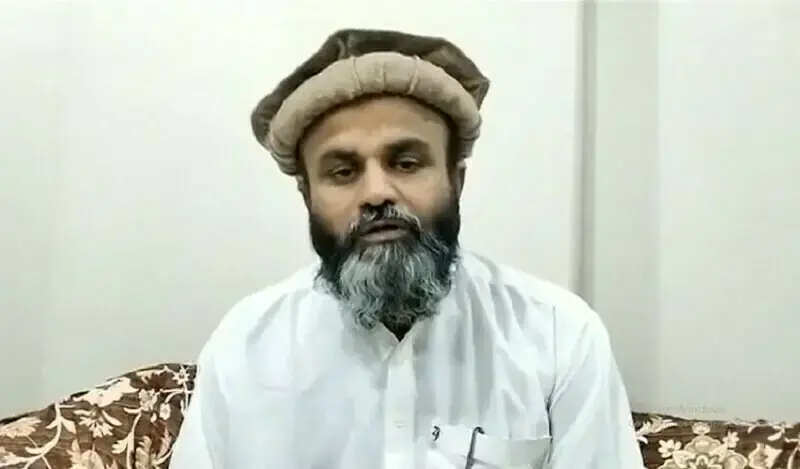
What will Hezbollah do? Hezbollah is reeling from multiple blows. Its command structure has been decapitated, with more than a dozen top commanders assassinated. Its communications have been sabotaged, and many of its weapons destroyed in air strikes. US-based Middle East security analyst Mohammed Al-Basha notes, “The loss of Hassan Nasrallah will have significant implications, potentially destabilising the group and altering its political and military strategies in the short term.”
However, any expectation that this vehemently anti-Israel organization will suddenly give up and sue for peace on Israel’s terms is likely misplaced. Hezbollah has vowed to continue the fight, with thousands of fighters, many of them recent veterans of combat in Syria, demanding revenge. It still possesses a substantial arsenal of missiles, including long-range, precision-guided weapons capable of reaching Tel Aviv and other cities. There will be pressure within its ranks to use these soon, before they too are destroyed. A mass attack that overwhelms Israel’s air defenses and kills civilians could provoke a devastating response from Israel, wreaking havoc on Lebanon’s infrastructure or even extending to Iran.
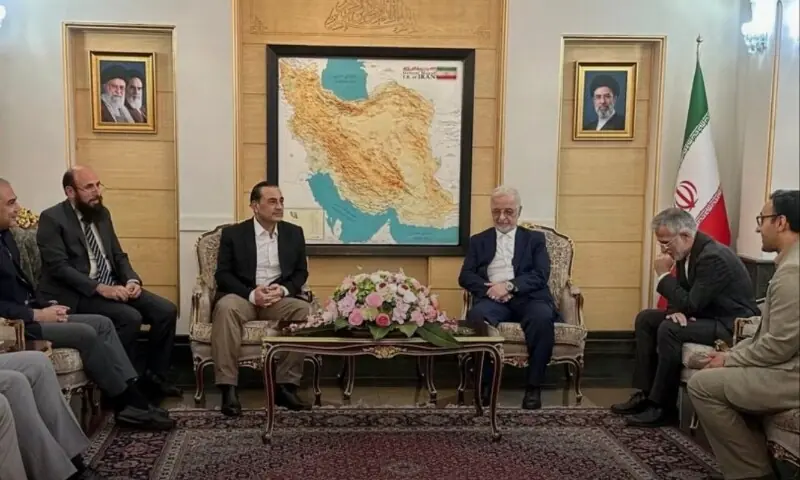
What will Iran do? This assassination is as much a blow to Iran as it is to Hezbollah. Iran has already announced five days of mourning and taken emergency precautions, including hiding its leader, Ayatollah Ali Khamenei, in case he too becomes a target.