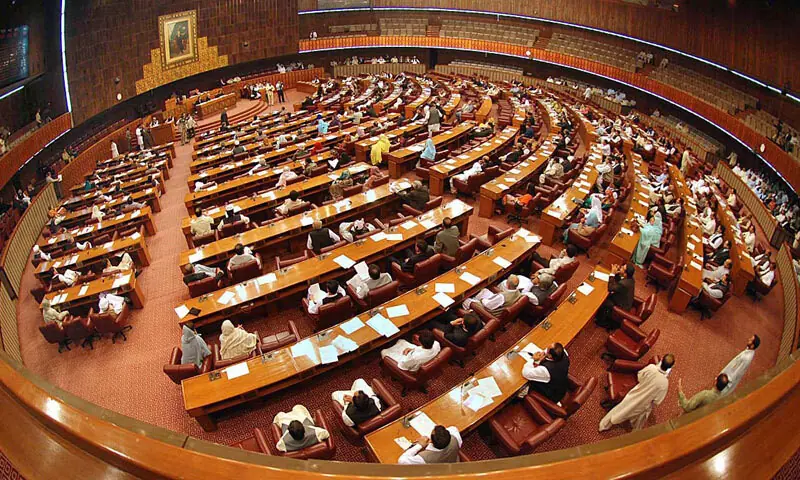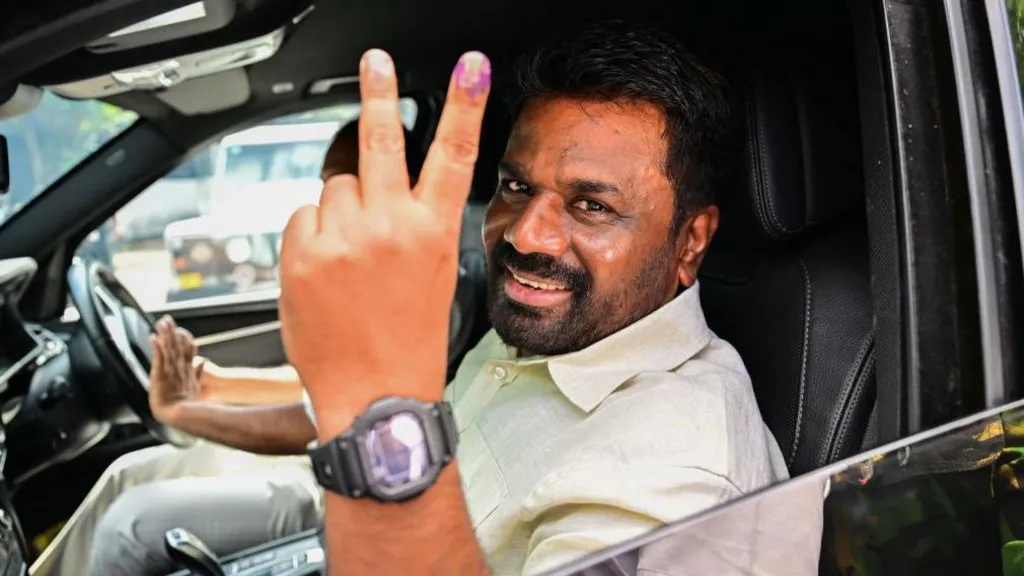

Sri Lanka’s new President, Anura Kumara Dissanayake, and his left-leaning National People’s Power (NPP) coalition have claimed a sweeping victory in the country’s snap parliamentary elections, securing a two-thirds majority in the 225-seat parliament with 159 seats.
The NPP coalition won nearly 62% of the vote, marking a historic win, including a groundbreaking victory in the Tamil-majority Jaffna Peninsula—something that hasn’t happened since Sri Lanka gained independence in 1948.
In a brief message on social media, Dissanayake expressed his gratitude, saying, “Thank you to all who voted for a renaissance.”
The overwhelming win is seen as a significant shift in Sri Lanka’s political landscape, which for decades had been dominated by established political parties, often led by influential family dynasties. Dissanayake’s party, which had only three seats in the outgoing parliament, now holds the political mandate to push through the economic and constitutional reforms he promised during his campaign.
Dissanayake, 55, previously described the election as a “crucial turning point” for Sri Lanka’s future. His call for snap elections came after he took office as president, aiming to seek a fresh mandate and reshape the country’s policies in line with public demand. Many former lawmakers, including prominent figures from the ousted Rajapaksa family, chose not to run for re-election.
The elections were held against the backdrop of Sri Lanka’s ongoing economic crisis, which worsened in 2022 following high inflation, food and fuel shortages, and a political crisis that led to the resignation of former President Gotabaya Rajapaksa. Although his successor, Ranil Wickremesinghe, secured a bailout from the International Monetary Fund, many Sri Lankans continue to struggle with economic hardship, with poverty rates rising to 25.9% over the past four years.
Now, with the NPP coalition in power, Dissanayake faces immense pressure to deliver on his promises. He has vowed to address the nation’s debt crisis, overhaul the political system, and hold past administrations accountable for corruption. However, with Sri Lanka’s economy still in a fragile state, ensuring the provision of basic goods and services will be a major challenge for the new government as it moves forward.