
Ahmed Hassan Jamal
Pakistan’s upcoming elections promise a momentous choice, yet a closer look reveals a system riddled with inequalities. While the political players may change, the underlying reality remains: elections seem less a platform for the people’s voice and more a playground reserved for the wealthy and powerful. This analysis dissects the factors that disenfranchise ordinary citizens, particularly women, and exposes the loopholes that perpetuate an unfair system.
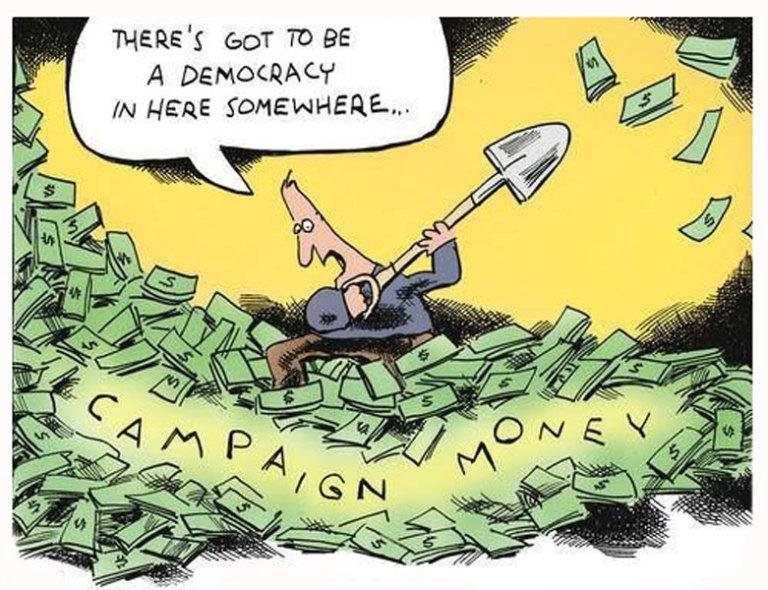
Firstly, the financial barriers are stark. The Election Act of 2017, supposedly a comprehensive framework, ironically facilitates the dominance of those with deep pockets. The spending limits, capped at a measly Rs.10 million for National Assembly candidates, pale in comparison to the average Pakistani household income of Rs.75,000. Saving one’s entire income for over a decade wouldn’t even come close. Adding insult to injury, these limits are toothless, only applying to officially declared expenses. Unreported spending, often facilitated by Section 132’s exemptions, allows for unchecked splurges. Meanwhile, political parties operate without spending limits, bombarding voters with expensive ad campaigns funded by unknown means. This creates a vicious cycle where parties gravitate towards candidates who can bankroll these extravaganzas, further marginalizing those without access to vast wealth.
Secondly, the gender gap is glaring. Despite making up nearly half the electorate, women remain grossly underrepresented. Out of thousands of candidates, only a handful are female, highlighting the abysmal lack of opportunities for women in politics. Even established parties, despite their claims of progressiveness, offer token gestures at best. Reserved seats do little to address the fundamental issue: the lack of genuine efforts to empower women as candidates for general seats. This systematic exclusion not only silences a significant portion of the population but also perpetuates unequal power dynamics.
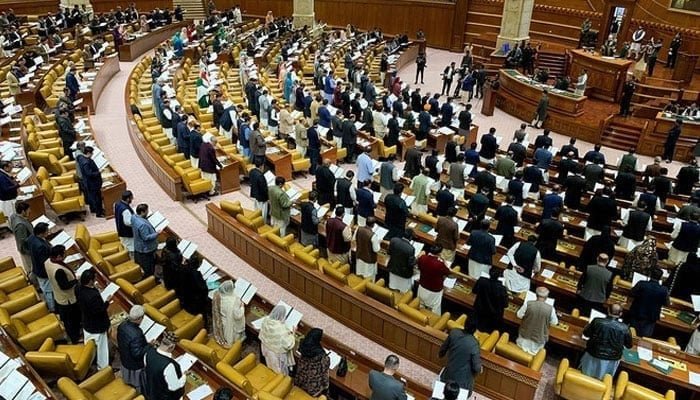
Thirdly, the power dynamics themselves are skewed. Pakistan’s parliament is dominated by a select few – landed elites, business tycoons, and established politicians who leverage their financial muscle to secure and maintain their positions. This creates a self-serving cycle where policies cater to the interests of the privileged few, leaving the average citizen struggling to make ends meet. The system lacks upward mobility, making it virtually impossible for ordinary individuals, regardless of merit, to break into this exclusive club.
The consequence of these entrenched inequalities is a democracy that functions more as a facade than a reality. The “level playing field” rhetoric rings hollow when the game itself is rigged. True reform demands a multi-pronged approach:
- Stricter enforcement of spending limits: Close loopholes, impose heavy penalties for violations, and increase transparency in campaign financing.
- Genuine affirmative action for women: Political parties must actively promote and support female candidates, not just fulfill minimum quotas.
- Empowering marginalized communities: Provide resources and support to candidates from diverse backgrounds, including financial aid and capacity building programs.
- Strengthening oversight mechanisms: Implement independent and robust monitoring systems to ensure fair and transparent elections.
Pakistan’s elections can only be truly democratic when they empower the voices of the marginalized and dismantle the structures that favor the privileged few. It’s time to break the cycle and build a system that reflects the aspirations of all citizens, not just the wealthy and powerful. Only then can Pakistan claim to have a democracy worthy of its people.
Please, subscribe to the YouTube channel of republicpolicy.com