
By Muhammad Bilawal Kamran
The sounds reflect humans, and these are all around us, from birds chirping and waves lapping against a coastline to cars honking in traffic. Sounds are complex, multilayered and intricate. Then, humans know their patterns. However, sometimes sounds are arranged in calculated ways to construct a distinctive ambience or to communicate sentiments or emotions. When organized, the sounds are music. The lyricism, musicality, flow, and rhythm of sounds make captivating music that reflects the pinnacle of our aesthetical exaltation.
Music is a compilation of collaborative sound or sounds. Creating music is putting sounds and tones in order, often integrating them to create a harmonious composition. People who make music creatively systematize sounds for a desired result of a symphony or arranged styles. The music consists of sounds, vibrations, and silent moments; it doesn’t always have to be pleasant or pretty. Hence, it conveys various experiences, environments, and emotions through aesthetically arranged sounds.https://republicpolicy.com/the-conquest-of-happiness-and-application-in-modern-times/
The history of music is as old as life. It has always been a part of all cultures and civilizations. The sub-continent had always loved music. Even the Muslims who conquered the land were forced to invent various genres of music to spread their way of life and culture. The post-partition music remained associated with films. However, in Pakistan, the folk, ghazal and especially the music of the 90s generated vibes across sections of music-loving society. Then, suddenly, 14 years earlier, when the music in Pakistan was at its lowest ebb, a television programme that drew immense popularity with its music featuring recorded versions blew Pakistan away. Along with the country, it spread like fragrance to other countries such as India; however, nothing came close to the popularity of “Coke Studio” in Pakistan. It has been the longest-running music facade since 2008.
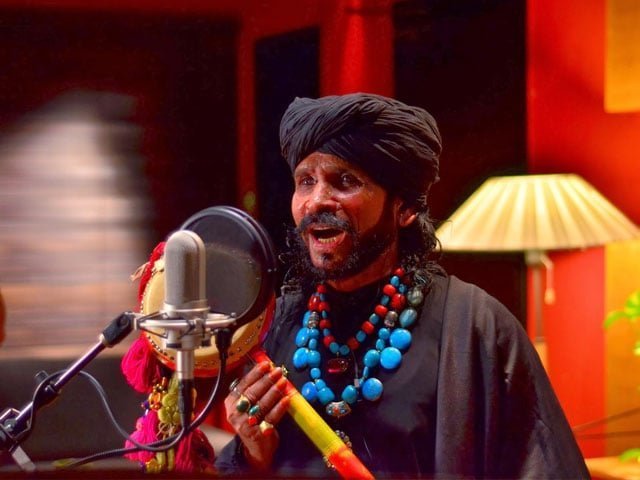
The Coke Studio features diverse musical influences ranging from traditional folk music to classical, Sufi, ghazals, bhangra and qawwali songs. The show is renowned for promoting multiculturalism in the country, as the artists belong to different regions and sing in other languages for their musical collaborations. It is also proudly known as the Sound of the Nation. It reflects the cultural and musical domains of the country. The show is virtually the nightingale of the nation.
The vision for the show was initiated in 2007 by Nadeem Zaman from The Coca-Cola Company in hopes of bringing little-known musicians into the national limelight and re-introducing genres such as Sufi and qawwali music to the youth of the nation. They aimed to produce quality fusion in rejuvenating the music industry of Pakistan. The show lures audiences who enjoy music across generations. This music is convenient for old and young because the writers and producers collaborate with emerging and legendary artists and former gain fame and exposure at the earliest.https://republicpolicy.com/what-is-poetry-is-it-the-best-expression-ever/
Typically, each season features a variety of singers, from legendary artists such as Abida Parveen and Farida Khanum to artists with noted family history in music, such as Rahat Fateh Ali Khan and Shafqat Amanat Ali Khan, to materializing artists such as Kaifi Khalil Abdul Wahab Bugti, Anushae Gill and many more, as the case in season 14. It not only brings veteran and emerging singers together onto the same platform but also instrumentalists, music technicians, writers and composers. They are cultivating this kind of inclusivity and bringing local artists from all over the South Asian diaspora to their Studio counts to their authenticity, echoing the United Nations Sustainable Development Goals for Industry, Innovation and Infrastructure and Reduced Inequalities.
Season 14 of the Coke Studio, Pakistan, has been a phenomenal hit. Ali Sethi and Shae Gill functioned for Coke Studio. As per Coke Studio Pakistan’s website, the musicians always anticipate syncing their chords with what the youngsters want. This music is trendy among young people, partly through the poetry in the verses and somewhat because music composers frequently possess a modern twist in music technology and instruments to make the songs hipper. Through each piece of music and each season, young people celebrate their nation’s cultural and literary history and cement their bond through music. There are many ways to classify songs relying on the meter, stanza, instruments and other technicalities, “Coke Studio” songs produce thoughtful blends between traditional and contemporary sounds. A few songs stimulate beats, others are spiritual, and many narrate stories and folklore. However, “Coke Studio” manages to construct a diverse array of authentic musical storytelling by giving platforms to different local artists.
The structures of the songs vary; they can be traditional classical, ghazal (poetry-turned-lyric), qawwali (most frequently devotional Sufi music), bhangra, folk songs and Sufi, to trendy hip hop and pop music. Because the Studio is based in Pakistan, most of their music is sung in Urdu, but sometimes includes other language varieties. Then, the producers include Persian, Pashto, Balochi, Punjabi, Sindhi, Hindustani songs and more.
The most popular verses, in both content and form of the music, are composed of various places. Some singers are also music composers, such as Ali Sethi in his latest “Pasoori” featuring Anushae Gill, in which the song is themed around restlessness to meet one’s partner. The song proceeded viral in numerous parts of the world, including India, maintaining its position at the top of its music charts for over 12 weeks. Even Coke Studio Africa collaborated on the song, which also went viral among music lovers.
The variety of songs is a remarkable feature of coke studio. As exhibitive in a separate piece sung by Natasha Baig featuring Abu Muhammad Qawwal & Brothers and Fareed Ayaz, the lyrics are named after and taken directly from Shikwa (Protest) / Jawab e Shikwa (Response), written by renowned Pakistani philosopher and writer Allama Muhammad Iqbal. However, this performance delivers the mystical Sufi elements of Iqbal’s poetry with rock music. The singers perform with passionate, energetic voices and underline an influential literary figure and make the song appeal to younger generations. Much of South Asian culture is reflected in the diversity of music in “Coke Studio.” South Asians bond over common spiritual and storytelling themes, which are reflected in our language, poetry, and music.https://republicpolicy.com/the-inspirational-message-of-mending-wall/
The Studio’s focus on drawing cultural and classical poetry for famous compositions presents a fresh spin to old tales, which glue in the growing gap of the nation’s musical landscape. The lyrics evoke themes of compassion, spirituality, inclusivity, yearning and love that reverberate through the show’s seasons. The originality of music has provided new impetus to the music scheme in South Asia. As people say now, cricket and coke studio represents Pakistan worldwide.