
Editorial
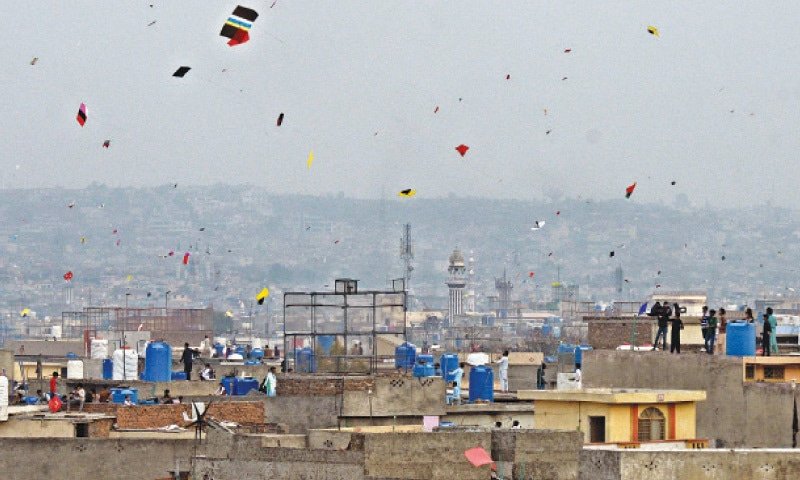
The Punjab government has revived the long-awaited Basant festival through the Punjab Kite Flying Ordinance 2025, marking the end of a 25-year ban and reopening a cultural tradition that once defined the spring identity of Lahore. The ordinance introduces strict registration requirements for kite makers and sellers, and imposes heavy penalties for violations, aiming to balance joy with safety. The government believes that regulated celebrations can revive cultural pride, tourism, and local economic activity without repeating the tragedies of the past.
Chief Minister Maryam Nawaz Sharif has positioned this revival as part of a wider cultural renewal agenda, ensuring economic opportunities and community participation while retaining firm control over risky practices. Children under 18 are barred from kite flying, and manufacturing rules have been tightened to eliminate dangerous strings. These safeguards reflect the state’s attempt to rebuild trust and reassure families that cultural expression will not come at the cost of public safety.
The ordinance sparks wider debate about how governments can responsibly revive cultural traditions in an evolving social environment. Basant once generated millions in economic activity and attracted international visitors, but reckless practices had turned celebration into fear. The new structure seeks to prevent that decline by creating a regulatory environment where creativity and commerce can thrive safely. If effectively implemented, Basant’s return could strengthen cultural confidence, support small industries, and project a more vibrant image of Punjab.