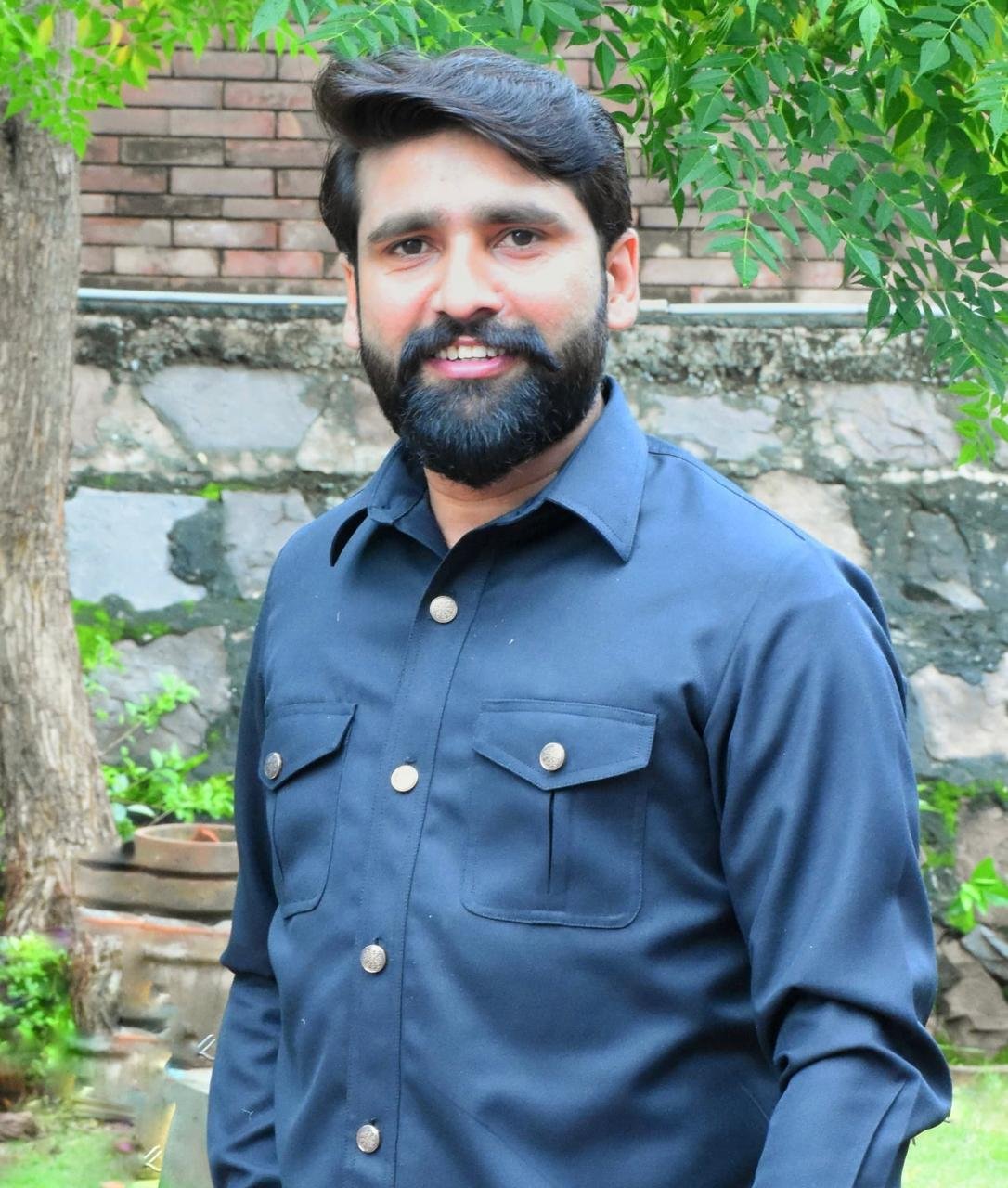

Ahmed Nawaz
Free and fair elections are the cornerstone of any functioning democracy, yet in Pakistan, their integrity faces constant challenges. Building a nationwide movement for transparent and unhindered elections is not just desirable, but critical for the nation’s future stability and development. Here’s why:
1. Safeguarding Democratic Principles:
Pakistan’s history is riddled with periods of military rule and manipulated elections. This has eroded public trust in democratic institutions and fueled apathy towards participation. A strong movement can:
- Raise awareness: Educate citizens about the importance of free and fair elections, empowering them to identify and resist manipulation tactics.
- Increase voter turnout: By fostering confidence in the electoral process, more people will participate, strengthening its legitimacy and reflecting the true will of the electorate.
- Demand accountability: Hold electoral institutions and authorities responsible for upholding transparency and addressing irregularities.
2. Ensuring Political Representation:
Unfair elections often exclude diverse voices and perspectives, leading to governments that fail to represent the population effectively. A movement can:
- Promote inclusivity: Advocate for equal access to the electoral process for all citizens, regardless of their background or affiliation.
- Challenge gerrymandering and voter suppression: Fight against practices that manipulate electoral boundaries and disenfranchise specific groups.
- Encourage diverse candidates: Advocate for a wider range of candidates to participate, reflecting the plurality of Pakistani society.
3. Combating Corruption and Instability:
Rigged elections often pave the way for corrupt practices and weaken the legitimacy of governance. A movement can:
- Expose and denounce electoral fraud: Shine a light on illegal activities like vote buying, intimidation, and ballot stuffing.
- Promote rule of law: Advocate for an impartial judiciary and law enforcement system to ensure fair investigation and prosecution of electoral offenses.
- Strengthen political stability: By ensuring legitimate representation, the movement can contribute to a more stable and peaceful political environment.
4. Empowering the People:
Building a movement requires active citizen participation, fostering a sense of ownership and empowerment. This can:
- Improve civic engagement: Encourage citizens to engage in public discourse, hold elected officials accountable, and advocate for reforms.
- Promote critical thinking: Enable citizens to analyze political situations, question narratives, and make informed decisions.
- Create a culture of accountability: By fostering active citizenship, the movement can hold all stakeholders accountable for upholding democratic principles.
Challenges and the Road Ahead:
Building such a movement won’t be easy. Existing societal inequalities, powerful vested interests, and potential government resistance pose significant challenges. However, through sustained efforts, public education, and collaboration across different social groups, a powerful force for change can emerge.
In conclusion, free and fair elections are not just a technical process, but a vital pillar of a healthy democracy. Building a nationwide movement in Pakistan is critical to ensure the voices of all citizens are heard, representation is genuine, and the nation charts a path towards a more stable and prosperous future. Only through the collective action of a vigilant and empowered citizenry can Pakistan truly claim its democratic promise.
Please, subscribe to the YouTube channel of republicpolicy.com