
Safia Ramzan
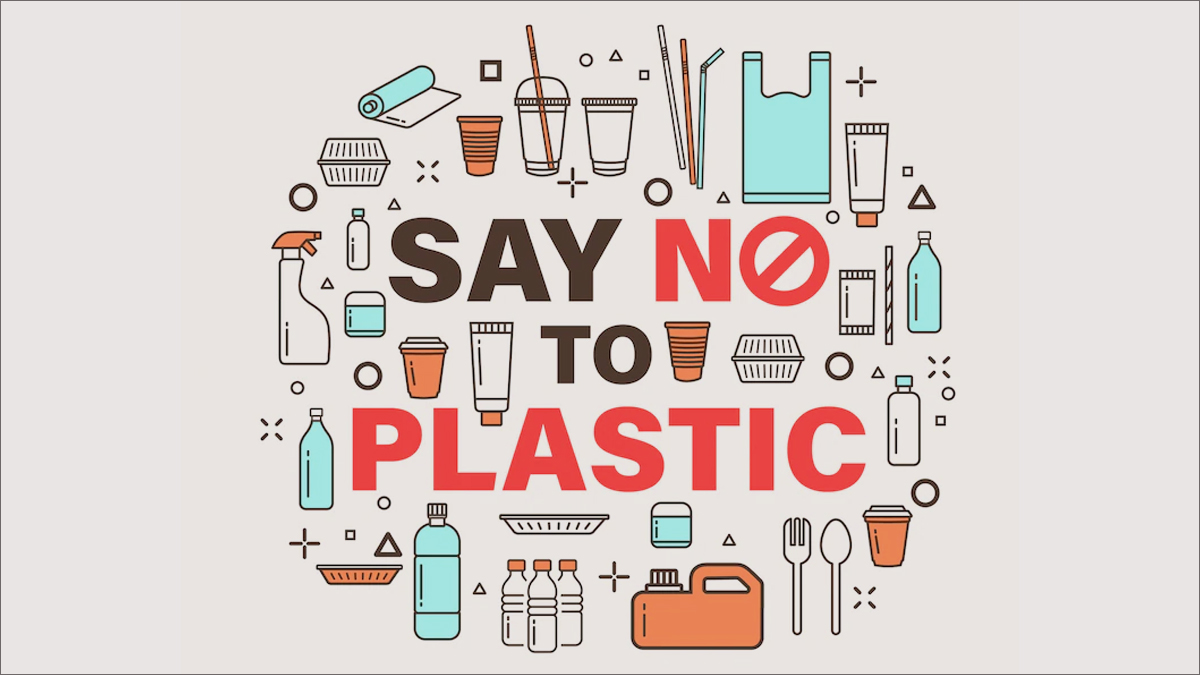
There is something almost audacious about announcing that an entire district of Pakistan will be completely free of single-use plastic by June 2026. Rawalpindi is not a quiet village. It is a dense, sprawling, commercially chaotic urban centre where polythene bags are as embedded in daily life as chai and mobile phones. Yet Chief Minister Maryam Nawaz has made exactly that promise, and the Punjab Environment Protection Agency is standing behind it with a confidence that, for once, appears to have some numbers to justify it.
To understand what is at stake, it helps to understand how long this battle has been fought and how little it has historically produced. Punjab has been issuing bans, warnings, and reminders on single-use plastic for years. The ritual is almost seasonal. Ahead of World Environment Day on June 5, the province dusts off its anti-plastic rhetoric, agencies issue stern warnings, officials make television appearances, and traders quietly wait for the noise to die down before returning to business as usual. The ban becomes an annual performance rather than a permanent policy. This pattern has repeated itself with such regularity that most stakeholders, from shopkeepers to consumers, have long since stopped taking it seriously.
What makes the current moment different, or at least potentially different, is the consistency of enforcement over the past two years. Chief Minister Maryam Nawaz began pushing for a meaningful polythene ban in 2024, and since then the Punjab EPA has not simply issued notices. It has acted. Thousands of inspections have been conducted. Confiscations, fines, and first information reports have followed. In 2025 alone, the agency confiscated over 400,000 kilograms of plastic bags across the province. In just the first four months of 2026, that figure more than doubled. These are not symbolic numbers. They represent a sustained institutional effort that is qualitatively different from anything Punjab has managed before on this issue.
That record of enforcement gives the Rawalpindi pledge a credibility it would not otherwise deserve. If the EPA has demonstrated the capacity to maintain pressure over an extended period rather than retreating after the first wave of resistance, then declaring one district plastic-free by June is at least a serious ambition rather than an empty headline. Whether it is achievable is a separate question, but it is no longer laughable.
However, enforcement alone cannot win this war, and this is where the real test of Punjab’s seriousness begins. A ban sustained purely by the threat of penalties is a ban that will collapse the moment enforcement attention shifts elsewhere. Human behaviour does not change permanently through coercion alone. It changes when alternatives are available, accessible, affordable, and convenient. The polythene bag became dominant in Pakistan not because people love plastic, but because it is free, lightweight, waterproof, and handed over without a second thought at every shop, cart, and market stall across the country. Removing it without replacing it with something equally frictionless is not a policy. It is a frustration waiting to happen.
This is the gap that the current campaign must close if it is to mean anything beyond June. Jute bags, paper bags, and cloth alternatives have been promoted as substitutes for years, but their adoption has remained limited for obvious reasons. They cost more. They are not always readily available at the point of sale. And in a society where the daily routine of buying groceries, street food, medicines, and household items involves dozens of small transactions, asking people to carry and remember their own bags at every moment is a behavioural shift that requires genuine enablement, not just instruction.
The Punjab government must therefore treat the supply of eco-friendly alternatives as seriously as it treats the suppression of plastic. This means working directly with traders, market associations, and commercial distributors to ensure that substitute bags are available at subsidised or comparable prices from day one of the prohibition. It means creating incentive structures for small manufacturers producing paper and jute alternatives, so that local supply can scale up to meet the demand that the ban will create. And it means making the substitution easy for the consumer, not just mandatory, because compliance always rises when it requires the least effort.
There is also the question of what happens to the plastic that has already penetrated every layer of the supply chain. Warehouses, wholesale markets, and small retailers across Rawalpindi hold existing stocks of polythene bags. A hard deadline without a structured phase-out plan for existing inventory will either drive those stocks underground or create a parallel informal market that the EPA will be unable to suppress. A realistic transition plan must account for this reality rather than pretend it does not exist.
Punjab’s broader ambition, to extend this model province-wide after demonstrating it in Rawalpindi, is the right direction of travel. Environmental degradation in Pakistan’s urban centres has reached a point where half-measures are genuinely no longer adequate. Clogged drains, contaminated water tables, and choked urban landscapes are not aesthetic problems. They are public health crises with measurable consequences for mortality, disease, and economic productivity. Treating the plastic ban as a serious governance priority rather than an environmental side project is long overdue.
But ambition must be matched by design. The Rawalpindi deadline is either a genuine policy commitment backed by the infrastructure of alternatives and the sustained will to enforce, or it is the latest edition of a tired annual ritual dressed up in more confident language. The EPA’s enforcement record over the past year suggests that Punjab is, for the first time, approaching this problem with something resembling seriousness. The question now is whether that seriousness extends beyond the ban itself to the far harder work of changing what an entire society reaches for when it needs to carry something home.