Zafar Iqbal
Pakistan’s Democracy: Navigating Challenges and Embracing Opportunities
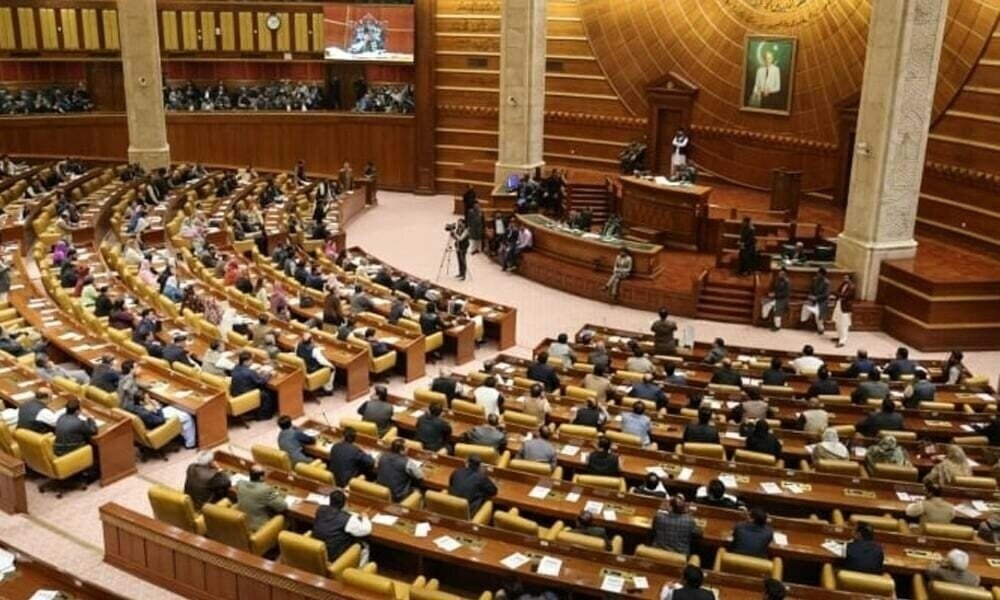
Pakistan’s democratic journey has been marked by a complex interplay of progress and setbacks, shaped by historical, political, and economic factors. While the country has witnessed significant advancements in democratic institutions and processes, it also faces persistent challenges that threaten to undermine the very foundations of a thriving democracy.
Obstacles to Democratic Consolidation
One of the primary obstacles to democratic consolidation in Pakistan is the legacy of military rule. The country has experienced prolonged periods of military intervention, which have left a deep imprint on the political landscape. The military’s past involvement in politics has cast a shadow over the democratic process, eroding public trust and fostering a sense of cynicism towards civilian governance.
Religious and extremist groups pose another significant challenge to Pakistan’s democracy. These groups often espouse ideologies that are antithetical to democratic values, seeking to impose their worldview through violence and intimidation. Their activities have created a climate of fear and intolerance, making it difficult for diverse voices to be heard and for democratic institutions to function effectively.
Exploitation of power and the lack of political stability further hinder the establishment of a robust democracy in Pakistan. Corruption, nepotism, and cronyism have become deeply entrenched within the political system, eroding public trust and exacerbating economic inequality. The lack of political stability, characterized by frequent changes in government, has also impeded the development of strong democratic institutions and norms.
The Erosion of Public Trust
The allegations of rigging in various general elections since 1970 have significantly eroded public trust in the democratic process. These allegations have raised doubts about the credibility of elections and the legitimacy of elected governments. The perception of widespread electoral fraud has fueled a sense of disenfranchisement among the populace, further weakening the foundations of democracy.
The Persistence of Elite Domination
Despite the end of more than three decades of military rule, Pakistan’s political system still favors a select few elites. The concentration of power and wealth in the hands of a small group has perpetuated economic inequality and marginalized large segments of the population. This elite domination has hindered the development of a truly inclusive and participatory democracy.
Please, subscribe to the monthly magazines of republicpolicy.com
The Unfulfilled Promise of Democracy
The benefits of democracy have not yet fully reached the masses in Pakistan. The development of democratic values and norms has been hindered by various challenges and situations under different regimes. As a result, many people remain skeptical about the effectiveness of democracy and its ability to address their pressing concerns.
Misconceptions about Human Rights and Civil Liberties
There is a prevailing misconception among some segments of the population that human rights, civil liberties, and citizen participation are luxuries rather than necessities. This misunderstanding stems from a lack of understanding of the fundamental principles of democracy and the importance of individual rights.
The Intertwined Elements of Modern Governance
In contrast to these misconceptions, modern governments around the world are not merely about elections or public participation; they are a complex interplay of various elements, including democracy, human rights, and the rule of law. These elements are interconnected and mutually reinforcing, forming the bedrock of a just and equitable society.
The Nexus of Democracy and Human Rights
Democracy provides the framework for protecting and promoting human rights. It ensures that individuals have the freedom to express their opinions, to assemble peacefully, and to participate in the political process. Democracy also safeguards the right to equality, the right to education, and the right to a fair trial.
The Role of Democracy in Social Progress
Democracy fosters social progress by promoting equality, empowering marginalized groups, and reducing wealth gaps. It also provides a mechanism for resolving conflicts peacefully and preventing armed violence. By creating an environment where diverse voices are heard and respected, democracy contributes to sustainable economic growth, entrepreneurship, innovation, and social justice.
The Importance of Elections in Democracy
Elections are the cornerstone of democracy, providing a mechanism for the peaceful transfer of power and ensuring government accountability. They allow citizens to choose their leaders and representatives, giving them a voice in shaping their own destiny. Elections also provide a platform for people to express their concerns, advocate for their interests, and hold their leaders accountable.
The Significance of Voter Turnout
Voting is the fundamental act of participation in a democracy. High voter turnout ensures that the government is truly representative of the people’s will. It also strengthens the legitimacy of the democratic system and encourages political engagement among the citizenry.
Addressing Challenges to Strengthen Democracy
Recognizing and addressing the challenges faced by governments is essential for protecting and strengthening democratic principles. Governments must strive to be fair, responsive, and accountable to the people, ensuring that they represent the interests of all citizens. By implementing policies that promote transparency, inclusivity, and participation, governments can foster a thriving democracy that truly serves the needs of the people.
Democracy remains a source of hope and development in a world full of diversity and complexity, as it ensures that the people’s voice is heard, their rights are respected, and their aspirations are fulfilled. It is our collective responsibility to care for and preserve this priceless legacy for future generations. As the next General Elections are scheduled for February 8, it is crucial to have a stable and competent democracy that can ensure political stability and guide the country through its major problems. Electoral politics also increase the authority and acceptance of leaders through a fair process. In democratic systems, governments are changed without violence or conflict, ensuring stability and continuity. Public participation creates a diverse political landscape, encouraging multiple parties and viewpoints, which fosters healthy debate, compromise, and policy innovation. The electoral process is a key aspect of democracy, encompassing not only voting but also civic engagement. It is vital for informed decision-making, accountability among elected officials, and promoting civic education. Engaged citizens are more likely to make well-informed choices during elections. Participation in democratic processes, such as community meetings and grassroots movements, fosters social cohesion by bringing communities together to address common issues. It promotes dialogue, tolerance, and inclusivity, ensuring that politicians act in the public interest.
Elections and democracy are important but face challenges. Ensuring election integrity, including preventing voter fraud, is vital for public trust. Comprehensive civic education programmes are needed to enhance citizens’ understanding of democracy. Democracy must protect minority rights and interests, while avoiding the tyranny of the majority. Democracy must also balance the need for stability and change, avoiding both stagnation and instability. Democracy must be responsive to the changing needs and expectations of the people, while maintaining its core values and principles.
Please, subscribe to the YouTube channel of republicpolicy.com