Tariq Mahmood Awan
Any country’s governance quality depends largely on the performance and interaction of its three main pillars: the legislature, the executive, and the judiciary. These pillars are supposed to work in harmony and balance each other, ensuring the rule of law, the protection of rights, and the delivery of public services. However, in many countries, these pillars face various challenges and shortcomings that undermine their effectiveness and credibility. Pakistan is also one of those countries which has yet to harmonize the functions of these pillars. This article will examine some common problems and possible solutions for improving Pakistan’s governance system.
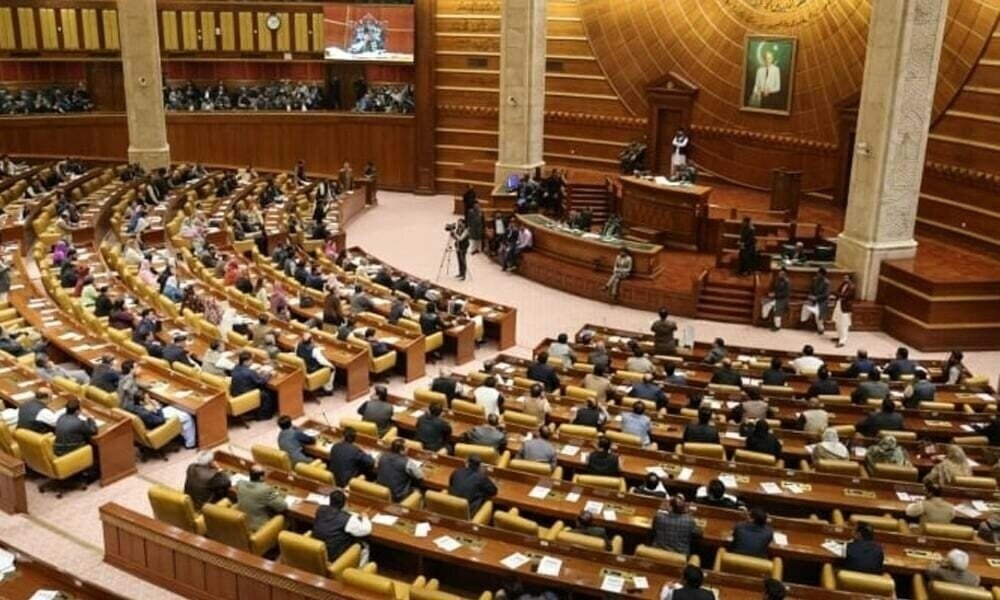
The Legislature: The Supreme Authority
The legislature is the representative body of the people, elected by them to make laws and policies and to oversee the executive and the judiciary. Pakistan is a parliamentary government. The legislature is supposed to be the supreme authority in a parliamentary system, reflecting the will and interests of the citizens. However, in many cases, the legislature fails to fulfill its role due to various factors, such as:
- Electoral malpractices: The legitimacy and credibility of the legislature depend on the fairness and transparency of the electoral process. However, in many countries, elections are marred by rigging, violence, intimidation, and corruption, resulting in the manipulation of the popular vote and the distortion of the representation. This erodes the public trust and confidence in the legislature and its members, and creates a sense of alienation and frustration among the voters. The recent elections held in Pakistan also manifest the same trend where there are allegations of large-scale rigging that erodes the sanctity of the legislature, being the supreme organ of the governance system.
- Constitutional and legal violations: The legislature is bound by the Constitution and the law and is expected to uphold and respect them. However, in many cases, the legislature acts in violation of the constitutional and legal provisions, either by ignoring them, amending them arbitrarily, or interpreting them selectively. This undermines the rule of law and the separation of powers, and creates conflicts and tensions with the other pillars.
- Lack of capacity and accountability: The legislature is supposed to have the necessary skills, knowledge, and resources to perform its functions effectively and efficiently. However, in many cases, the legislature suffers from a lack of capacity and accountability due to factors such as low educational and professional qualifications, inadequate training and orientation, insufficient staff and facilities, poor research and analysis, weak oversight and scrutiny, and limited public engagement and feedback. This affects the quality and relevance of the legislation and policies and the ability to hold the executive and the judiciary accountable. Accordingly, Pakistani legislators only sometimes have the specialized legislative capacity to legislate functional and constitutional legislation.
To address these challenges, the legislature needs to adopt a number of reforms, such as:
- Strengthening the electoral system: The electoral system should be reformed to ensure its fairness and transparency, and to prevent any malpractices or irregularities. This may include measures such as introducing independent and impartial electoral commissions, ensuring the security and integrity of the voting process, enhancing voter education and awareness, promoting the participation and representation of women and minorities, and enforcing the electoral laws and regulations.
- Adhering to the Constitution and the law: The legislature should adhere to the Constitution and the law and respect their spirit and intent. This may include measures such as reviewing and revising the existing constitutional and legal provisions, ensuring the consistency and coherence of the legislation and policies, following due process and procedures, and resolving any disputes or disagreements through dialogue and consultation.
- Enhancing capacity and accountability: The legislature should enhance its capacity and accountability and improve its performance and output. This may include measures such as raising the educational and professional standards, providing regular training and orientation, increasing the staff and facilities, improving the research and analysis, strengthening oversight and scrutiny, and engaging the public and stakeholders. Political parties should also provide tickets to those who are well-versed in the processes of legislation. The primary function of legislators is to make laws. Therefore, their capacity should be head and shoulders above the bureaucracy and judiciary.
The Executive: The Leader and Implementer
The executive branch is the branch of government that implements the laws and policies made by the legislature and provides the leadership and direction for the governance system. The executive consists of the political executive, such as the prime minister, the cabinet, and the ministers, and the administrative executive, such as the bureaucracy, the police, and the civil service. The executive is supposed to be efficient and effective, ensuring the delivery of public services and the achievement of national goals. However, in many cases, the executive faces various challenges and shortcomings, such as:
- Lack of expertise and professionalism: The executive is expected to have the expertise and professionalism to handle the complex and dynamic issues and challenges of the modern world. However, in many cases, the executive lacks the expertise and professionalism due to factors such as political appointments, nepotism, favoritism, patronage, and interference, resulting in the compromise of the merit and competence of the executive members and staff. Therefore, civil services reforms are critical alongside administrative and organizational reforms in Pakistan.
- Lack of coordination and cooperation: The executive is supposed to work in coordination and cooperation with the other pillars, as well as with the provincial and local governments and the external partners and stakeholders. However, in many cases, the executive suffers from a lack of coordination and cooperation due to factors such as overlapping and conflicting mandates, unclear and ambiguous roles and responsibilities, poor communication and information sharing, and mistrust and rivalry. Furthermore, the administrative federalism principle is vital for coordinating federal, provincial, and local governments.
- Lack of transparency and accountability: The executive is supposed to be transparent and accountable, and to report and answer to the legislature and the public. However, in many cases, the executive is opaque and unaccountable due to factors such as secrecy and confidentiality, lack of disclosure and access to information, weak monitoring and evaluation, and limited feedback and grievance redressal.
To address these challenges, the executive needs to adopt a number of reforms, such as:
- Strengthening the expertise and professionalism: The executive should strengthen its expertise and professionalism and ensure the quality and competence of its members and staff. This may include measures such as introducing merit-based recruitment and promotion, providing continuous training and development, ensuring diversity and inclusion, and preventing political interference and influence.
- Improving the coordination and cooperation: The executive should improve its coordination and cooperation with the other pillars, with the provincial and local governments, and with the external partners and stakeholders. This may include measures such as defining and clarifying the mandates, roles, and responsibilities, establishing and maintaining the communication and information channels, creating and supporting the platforms and mechanisms for dialogue and consultation, and building and fostering trust and partnership. It is also important to establish civil services according to administrative federalism as protected in the Constitution of Pakistan.
- Enhancing transparency and accountability: The executive should enhance its transparency and accountability and report and answer to the legislature and the public. This may include measures such as disclosing and providing access to information, implementing monitoring and evaluation systems, seeking and incorporating feedback and suggestions, and addressing and resolving complaints and grievances.
The Judiciary: The Guardian and Arbiter
The judiciary is the branch of the government that interprets and applies the laws and policies made by the legislature and adjudicates disputes and conflicts among individuals, groups, and institutions. The judiciary consists of the courts, the judges, the lawyers, and the legal personnel. The judiciary is supposed to be independent and impartial, ensuring justice and fairness for all. The public trust in the judiciary in Pakistan is not up to the mark like other institutions. There are serious issues in the criminal and civil justice system. Furthermore, the administration of judicial justice needs reforms and re-structuring in coded law, operations, and functions of the judicial officers. However, in many cases, the judiciary faces various challenges and shortcomings, such as:
- Lack of infrastructure and resources: The judiciary is expected to have the infrastructure and resources to perform its functions effectively and efficiently. However, in many cases, the judiciary lacks the infrastructure and resources due to factors such as insufficient and outdated facilities, equipment, and technology, inadequate and delayed funding and budgeting, and low and unequal remuneration and incentives.
- Lack of capacity and quality: The judiciary is supposed to have the capacity and quality to handle the increasing and diverse caseload and demand for justice. However, in many cases, the judiciary suffers from a lack of capacity and quality due to factors such as shortage and uneven distribution of judges, lawyers, and legal personnel, low and variable educational and professional qualifications, poor and inconsistent training and orientation, and weak and irregular supervision and regulation.
- Lack of accessibility and responsiveness: The judiciary is supposed to be accessible and responsive, and to cater to the needs and expectations of the people. However, in many cases, the judiciary is inaccessible and unresponsive due to factors such as high and prohibitive costs and fees, long and unpredictable delays and backlogs, complex and cumbersome procedures and formalities, and limited and unequal outreach and coverage.
To address these challenges, the judiciary needs to adopt a number of reforms, such as:
- Improving the infrastructure and resources: The judiciary should improve its infrastructure and resources and ensure its adequacy and suitability. This may include measures such as upgrading and modernizing the facilities, equipment, and technology, increasing and allocating the funding and budgeting, and enhancing and equalizing the remuneration and incentives.
- Enhancing the capacity and quality: The judiciary should enhance its capacity and quality and improve its performance and output. This may include measures such as recruiting and deploying more judges, lawyers, and legal personnel, raising educational and professional standards, providing regular training and orientation, and strengthening supervision and regulation.
- Increasing the accessibility and responsiveness: The judiciary should increase its accessibility and responsiveness and meet the needs and expectations of the people. This may include measures such as reducing and waiving the costs and fees, expediting and clearing the delays and backlogs, simplifying and streamlining the procedures and formalities, and expanding and diversifying the outreach and coverage.
The three pillars of governance – the legislature, the executive, and the judiciary – are interdependent and interrelated, and their performance and interaction affect the quality and outcome of the governance system. Therefore, it is imperative to address the challenges and shortcomings that each pillar faces and to implement the reforms that each pillar needs in order to improve the governance system and achieve the national goals. This will require the commitment and collaboration of all the stakeholders, including the political leaders, the public officials, and the public.
These are the primary institutions of a state. Therefore, if these institutions are reformed in Pakistan, the derived and subservient institutions and organizations will also be re-organized for effective and successful governance.
Please, subscribe to the YouTube channel of republicpolicy.com