
Dr Sara Tahir
How to Sketch an Awareness Project by an NGO in Pakistan?
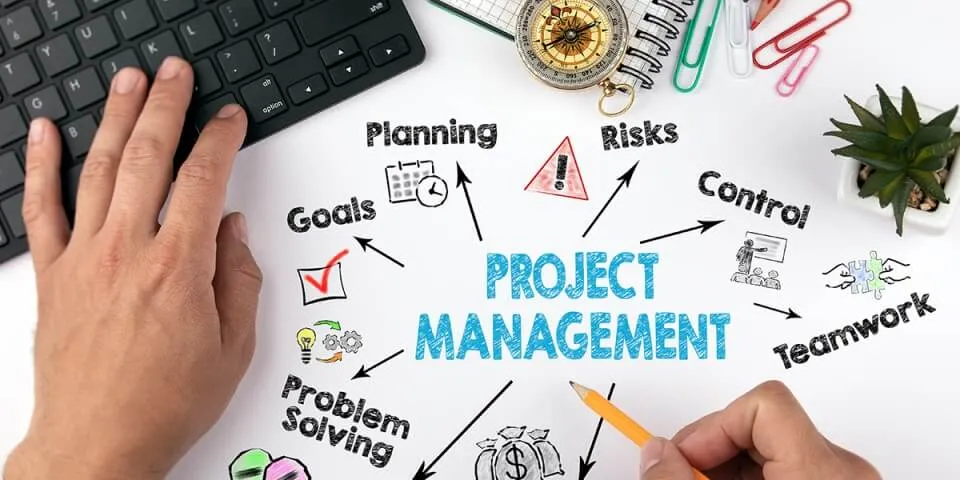
The stages of project management by an NGO in terms of awareness and advocacy can be evaluated based on the following criteria:
- The clarity and relevance of the focal problem and the need for the project
- The comprehensiveness and feasibility of the project planning
- The effectiveness and efficiency of the project execution
- The quality and timeliness of the performance monitoring and evaluation
- The impact and sustainability of the project outcomes
Based on these criteria, a possible evaluation of the stages of project management by an NGO in terms of awareness and advocacy is as follows:
- The concept phase: This stage involves identifying the focal problem and the need for the project. The NGO should conduct a thorough situation analysis to understand the root causes, effects, and stakeholders of the problem. The NGO should also assess its own capacities, resources, and comparative advantages to address the issue. The NGO should then formulate a clear and specific project goal, objectives, and expected results that are aligned with its mission, vision, and values. The NGO should also identify the project’s target groups, beneficiaries, and partners. This stage is crucial for ensuring that the project is relevant, responsive, and realistic to the needs and interests of the people affected by the problem.
- The planning phase: This stage involves developing a detailed project plan that outlines the activities, outputs, indicators, budget, timeline, roles, and responsibilities of the project. The NGO should use a logical framework approach to ensure that the project plan is coherent, consistent, and comprehensive. The NGO should also develop a monitoring and evaluation framework that specifies how, when, and by whom the project progress and performance will be measured and reported. The NGO should also identify the risks, assumptions, and external factors that may affect the project implementation and devise mitigation strategies to address them. This stage is essential for ensuring that the project is well-designed, well-resourced, and well-managed.
- The implementation phase involves executing the project activities according to the project plan. The NGO should ensure that the project outputs are delivered on time, within budget, and with quality. The NGO should also ensure that the project activities are conducted in a participatory, transparent, and accountable manner. The NGO should also ensure that the project activities are aligned with the awareness and advocacy objectives of the project. For example, the NGO may use various methods such as workshops, campaigns, training, linkages, referrals, participation, documentation, and dissemination to raise awareness and advocate for disability rights and inclusion in Pakistan.
- The monitoring and evaluation phase involves collecting, analyzing, and reporting data on the project’s progress and performance. The NGO should use both quantitative and qualitative methods to measure the indicators of outputs, outcomes, and impact. The NGO should also use both internal and external sources to verify and validate the data. The NGO should also use both formative and summative approaches to provide feedback and recommendations for improvement. The NGO should also use participatory and independent methods to involve stakeholders in monitoring and evaluation. This stage is vital for ensuring that the project is effective, efficient, and impactful.
- The closure phase involves terminating the project activities and closing the project accounts. The NGO should ensure that all contractual obligations are fulfilled, and all financial transactions are audited. The NGO should also ensure that all project assets are transferred or disposed of properly. The NGO should also ensure that all project documents are archived or shared appropriately. The NGO should also ensure that all project lessons learned are captured or disseminated widely. This stage is essential for ensuring that the project is completed successfully and sustainably.
Concludingly, the stages of project management by an NGO in terms of awareness and advocacy can be evaluated based on how well they address the problem, plan the project, execute the activities, monitor and evaluate the results, and close the project.
Pl, subscribe the English/Urdu monthly magazines of republicpolicy.com