
Editorial
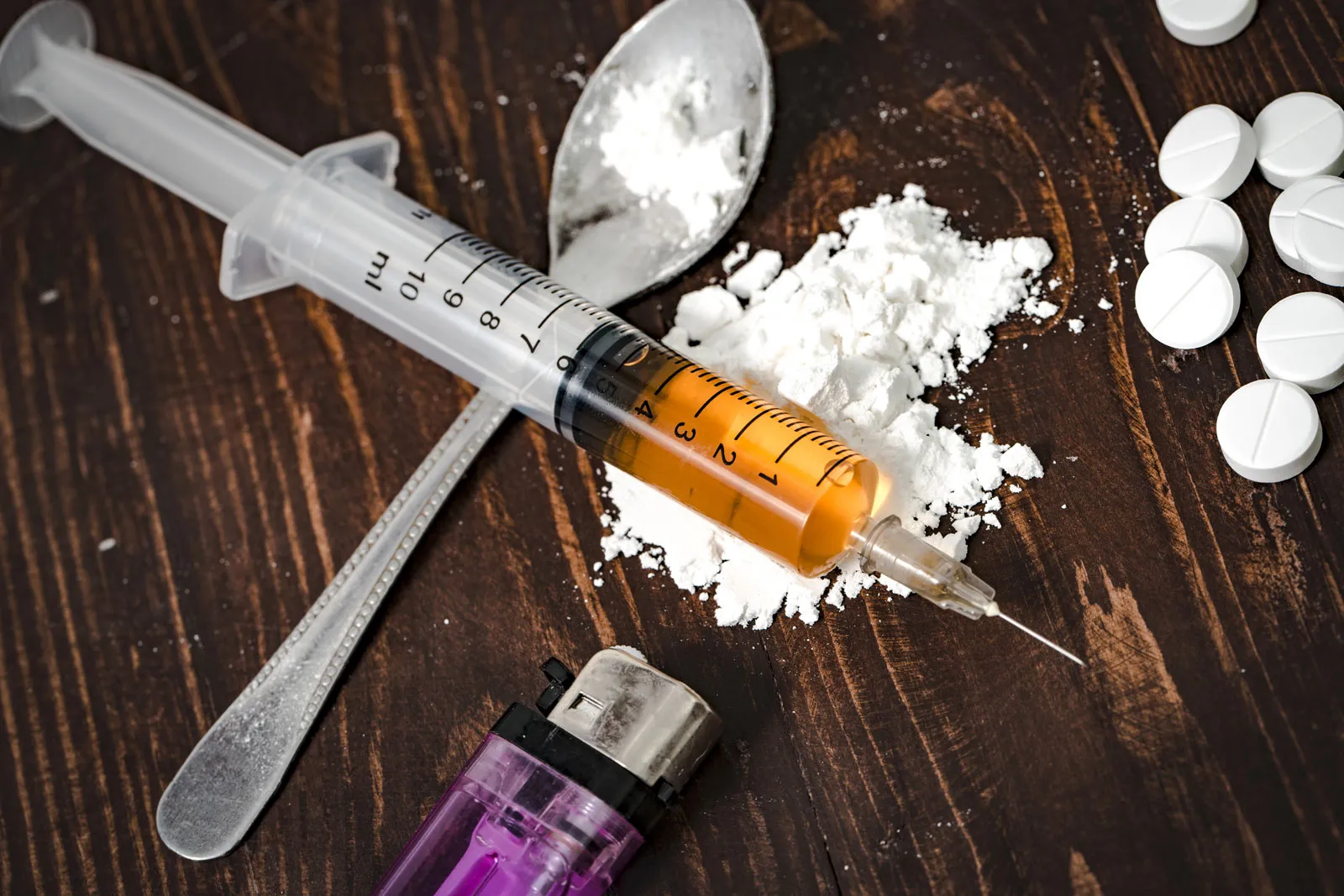
The rising usage of narcotics in Pakistani colleges and universities is a serious issue that needs to be addressed urgently. Narcotics are substances that affect the central nervous system and produce a state of euphoria, relaxation, or altered perception. They include both natural and synthetic drugs, such as opium, heroin, cocaine, cannabis, methamphetamine, and ecstasy. Narcotics can have harmful effects on the physical and mental health of the users, as well as on the social and economic development of the country.
According to the Anti-Drug Policy for Higher Education Institutions in Pakistan, drug abuse has emerged as an issue potentially endangering human society regarding health hazards, crimes, money laundering, economic challenges in the form of underground economies, sponsorship of militancy and terrorism, etc. The policy states that drug abuse is more prevalent among young people, especially students, who are vulnerable to peer pressure, curiosity, experimentation, stress, and boredom. The policy also acknowledges that the dynamics of drug abuse and varieties of drugs are fast changing and spreading without any boundaries.
Subscribe to the magazines of republicpolicy.com
The National Drug Use Survey Pakistan 2022-24 is a joint effort of the UNODC Country Office in Pakistan in collaboration with the Ministry of Narcotics Control, the Government of Pakistan and the U.S Department of State’s Bureau of International Narcotics and Law Enforcement Affairs (INL). The survey aims to estimate the extent and patterns of drug use in the country based on a household survey and a high-risk drug use study covering major districts in each province. The survey will provide comprehensive data on drug use trends and will serve to inform policies and strengthen national cooperation.
The Senate Standing Committee on Interior and Narcotics Control has expressed deep concern over reports of increased use of drugs by students in schools in Islamabad having rich family backgrounds. The committee has declared war against drugs across Pakistan and has urged the government to take strict action against drug peddlers and suppliers. The committee has also recommended launching awareness campaigns in educational institutions. And to provide treatment and rehabilitation facilities for drug addicts.
Lastly, the rising usage of narcotics in Pakistani colleges and universities is a complex and multifaceted problem that requires a coordinated and holistic response from all stakeholders. The government, civil society, media, academia, parents, teachers, and students should work together to prevent drug abuse, provide treatment and rehabilitation for drug users, and promote a healthy and drug-free society.
Subscribe to the YouTube channel of republicpolicy.com