
Arshad Mahmood Awan
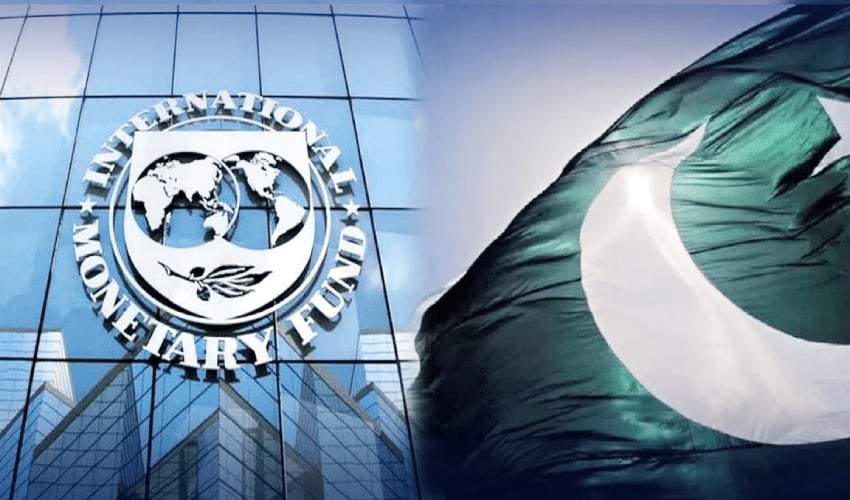
The IMF (International Monetary Fund) has turned down the plans for circular debt reduction and tariff reduction that the Ministry of Energy put forward. The Fund does not agree with these plans. The tariff reduction plan was clear, but the petroleum ministry gave contradictory information about the circular debt reduction plan, which the stock market reactions may have influenced.
This newspaper has extensively reported on the circular debt reduction plan. It was first presented by the PTI (Pakistan Tehreek-e-Insaf) government in 2021 as a two-page document; then, it was developed by the PDM (Pakistan Democratic Movement) government in 2023 as a slide presentation. Now, the caretaker government in 2024 is preparing a detailed report on it. The caretaker Ministry of Energy deserves praise for doing the required work.
The plan is based on the idea of clearing the energy circular debt stock that has accumulated over the years mainly because of the wrong pricing to the consumers, while the Sui companies that are in charge of transmission and distribution had difficulties in paying the Exploration and Production (E&P) companies.
However, the latter did not write off the receivables but counted them as profit. If these debts are cleared, this could lead to wrong pricing in the future as well. This creates a moral hazard, as this sets an example of wrong pricing and then clearing the debt in the same way in the future.
This may be one of the reasons why the IMF rejected the proposal. The IMF Mission Chief, Nathan Porter, stated clearly that the proposed plan does not solve the underlying problems, and there are fiscal risks in the Circular Debt (CD) reduction plan because of the sequence of transactions.
Moreover, it would continue to use supplementary grants, which have historically put pressure on the fiscal accounts.
Although the Fund has rejected the plan, there are some people close to the government who think that the CD stock settlement may still happen in the future. Some are saying that the government may do it in the small window after the current SBA expires and before the next EFF of the IMF is signed. However, that could endanger the negotiations for the next IMF program.
Therefore, the government must be careful. Interestingly, it was reported on social media on 10th February that the IMF had not approved the CD reduction plan, which the Ministry of Petroleum quickly denied on 11th February through a tweet. However, the memo was sent to the Ministry of Petroleum on 9th February, where the Fund had clearly said in the first line that it did not support the CD reduction plan.
One may wonder why the ministry denied a report that was based on facts, especially when the plan would result in paying large dividends by the listed E&P companies. Stock prices rose recently in expectation of the implementation of this plan.
Some players in the market may have benefited from the factual information that was wrongly denied in the public domain. Government officials need to show not only caution but also full transparency in communicating information that has a direct impact on the prices of some stocks listed on the stock exchange.
Moving on, the plan is rejected, and the earliest it can come back is in the budget of FY25, where the government should state the budgetary slippages due to dividend payments to minority shareholders and state the amounts coming back to the government in the respective accounts. This can happen theoretically, but the chances are low.
The government should rather focus on stopping the increase of the circular debt by focusing on comprehensive reforms, including a significant reduction in the high cost of energy, a noticeable improvement in compliance, a major reduction in theft and line losses, and a visible improvement in the governance of Discos.
Please, subscribe to the YouTube channel of republicpolicy.com