
The government is once again finalising plans to unbundle the country’s two gas utilities into five smaller companies, one transmission company and four provincial distribution firms, following the pattern used for the more than 15 companies created from the former Wapda generation, transmission and distribution structure.
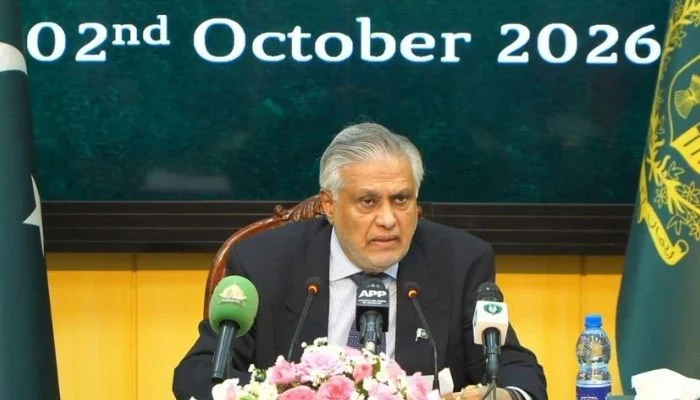
The proposed reforms, covering the unbundling of Sui Northern Gas Pipelines Ltd and Sui Southern Gas Company Ltd, were discussed at a meeting Tuesday led by Petroleum Minister Ali Pervaiz Malik on the government side, and World Bank Country Director for Pakistan Bolormaa Amgaabazar on the other. “The reform framework also proposes the restructuring and unbundling of the Sui companies by separating their transmission, distribution and energy businesses, while creating greater opportunities for private sector participation throughout the gas value chain,” an official statement said afterward.
Informed sources said several major business groups have expressed interest in the transmission business through privatisation. The distribution sector, however, faces more serious challenges, including transfer pricing, cross-subsidies, and a uniform national gas price applied despite widely varying system losses, highest in Balochistan, followed by Khyber Pakhtunkhwa, Sindh, and Punjab.
Independent consultant KPMG and the Oil and Gas Regulatory Authority had previously opposed this unbundling model on financial and technical viability grounds, recommending broader consultation with the provinces and private shareholders. That plan was ultimately shelved in 2020.
Sources say the Petroleum Division now wants to fast-track the restructuring process and secure prime ministerial approval this month. “The meeting reviewed and endorsed the strategic direction of Pakistan’s gas sector reforms,” the statement said, with the minister directing officials to finalise a roadmap for the prime minister’s approval by the end of August 2026. “Following the prime minister’s approval, the Petroleum Division will initiate phased implementation of the reform programme in consultation with all stakeholders to ensure a smooth and sustainable transition to a modern, competitive and financially viable gas sector,” it added.
To that end, the Petroleum Division will seek the immediate appointment of a transaction adviser to work out the unbundling of SNGPL and SSGCL into five companies, with the adviser’s cost either financed by the World Bank or shared equally between the two utilities and recovered through end-consumer tariffs. Notably, both companies and their shareholders oppose the plan, effectively their own dissolution, and are unsurprisingly reluctant to help finance it.
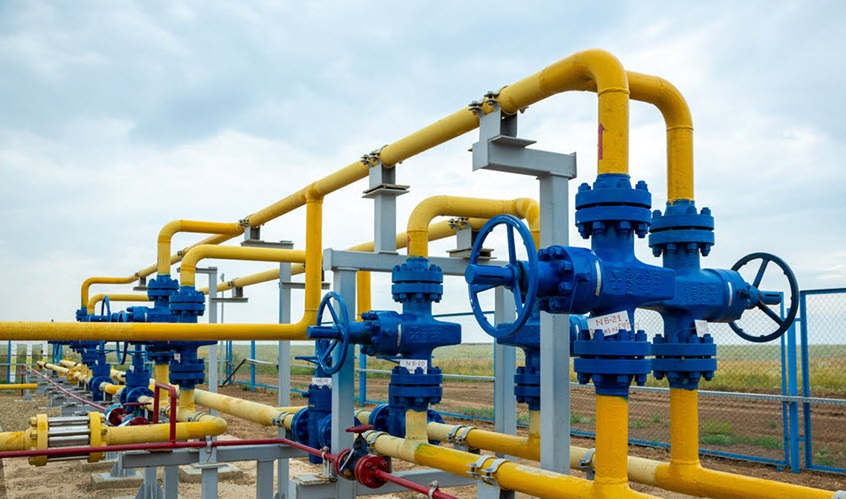
Under the proposal, a National Gas Transmission Company would be carved out to take over the transmission systems and operations of both utilities, functioning as a common carrier for existing and newly created gas distribution companies, similar to the power sector’s former NTDC, now renamed the National Grid Company. The plan envisions third-party access to the network for private firms, with the transmission company transporting gas and charging wheeling fees to suppliers and buyers, rather than trading gas itself. Some influential business groups with policymaking ties are reportedly also interested in acquiring a stake in the new transmission company.
The distribution networks of both utilities would then be split into multiple gas distribution companies operating under unified principles within their existing jurisdictions, with these smaller units formed based on population, network density, gas demand, workload, supervision, and operational efficiency, to ensure long-term sustainability.
The plan would also require a weighted average sale price equalisation mechanism, or a similar pricing arrangement, for gas sales. However, some within the Petroleum Division still believe the matter should first go through consultation with all stakeholders and provincial governments, including approval from the Council of Common Interests, before any consultant is appointed, since the adviser’s terms of reference would depend on the pricing mechanism ultimately agreed upon. There is also opposition to splitting the two companies into five or more entities before the transaction adviser has completed a full feasibility assessment of the proposed reforms.