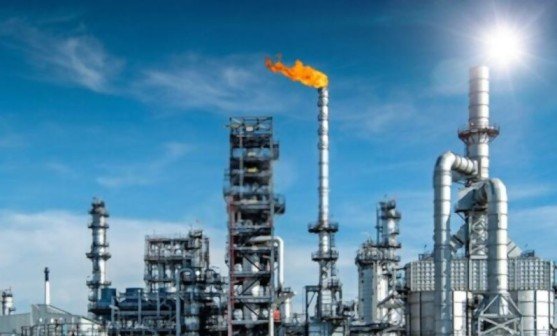

In a major development, five of Pakistan’s oil refineries have agreed to move forward with modernisation agreements that could unlock more than $6 billion in investment and pave the way for domestic production of Euro 5-compliant fuel, reducing the country’s reliance on imported petrol and diesel.
The breakthrough followed meetings between Federal Minister for Petroleum Ali Pervaiz Malik and the managements of PARCO, PRL, NRL, Cnergyico, and ARL, held to review progress on implementing the Brownfield Refinery Upgradation Policy, assess the refineries’ financial and operational performance, and discuss measures to strengthen Pakistan’s energy security, according to a statement issued Friday.
All five refineries confirmed their readiness to sign agreements under the Upgradation Policy, with signing expected early next month, unlocking an estimated $6 billion in investment across Pakistan’s refining sector.
Malik said refinery upgradation is critical to the long-term sustainability of the sector, noting that the planned upgrades would allow refineries to produce Euro 5-compliant fuel domestically, reducing dependence on imported petrol and diesel and potentially lowering prices compared to imported alternatives. He stressed that signing the agreements on schedule was essential to moving the upgradation programme forward, and said the government would continue supporting refineries in resolving any implementation-related issues.
PARCO and Oil City Update
In a separate meeting with PARCO’s management, the minister was briefed on the company’s financial and operational performance, as well as its broader plans to strengthen national energy security. He praised PARCO for managing operations effectively during the Strait of Hormuz crisis, noting that Pakistan had successfully weathered the disruption without its petroleum supply system running dry, and stressed that maintaining supply continuity and building resilient supply chains remain core pillars of the country’s energy security strategy.
The minister was also updated on progress regarding the proposed Oil City project in Hub, envisioned as a strategic energy terminal and storage complex aimed at strengthening energy security, improving trade connectivity, ensuring supply assurance, and supporting broader economic growth.
Refineries Confirm Readiness
At a separate meeting with PRL, the company’s Managing Director, Board of Directors, and management briefed the minister on current financial and operational performance, along with the steps taken to sustain refinery operations throughout the Hormuz crisis.
In individual meetings with Cnergyico, NRL, and ARL, Malik sought input from each Managing Director on any obstacles to implementing the New Refinery Upgradation Policy. All three confirmed their companies had completed the necessary preparations and were ready to sign agreements, marking the first concrete step toward implementation.
ARL’s Managing Director highlighted the importance of upgrading existing refineries to keep pace with shifting global dynamics and evolving fuel standards, while commending the petroleum minister’s leadership and the ministry’s role in driving major reforms across the sector.
Malik reiterated that modernising Pakistan’s refining capacity is essential not only for improving product quality and efficiency, but also for strengthening domestic supply resilience, reducing reliance on imported fuel, and advancing the country’s wider energy security goals. He said the government remains committed to working closely with the refining industry to ensure timely implementation of the New Refinery Upgradation Policy and to facilitate the investment needed to modernise the sector.