
Nadia Shafique
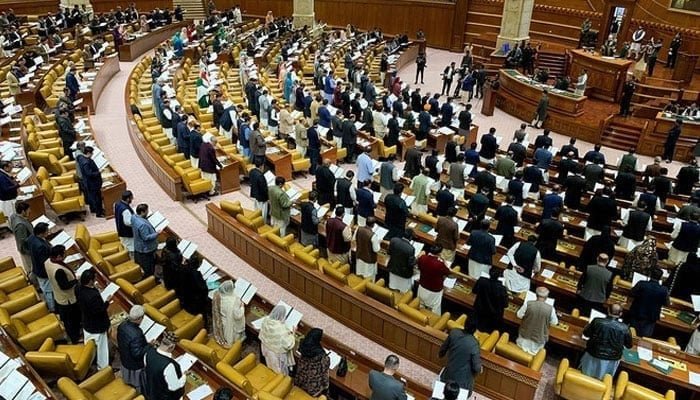
Coalition governments are undoubtedly a defining feature of Pakistan’s political landscape, with the recent election results once again raising the possibility of such a dispensation. However, a critical evaluation reveals both potential benefits and significant challenges associated with this form of governance.
Unveiling the Challenges:
- Fragile Unity: Coalition governments can be inherently fragile, susceptible to internal discord and defections due to competing interests and power struggles. This fragility often leads to short-lived administrations and political instability.
- Compromise and Consensus: Reaching consensus among diverse coalition partners can be a painstaking process, hindering prompt decision-making and potentially compromising policy effectiveness.
- Public Perception: Lack of transparency and concerns about horse-trading, nepotism, and corruption within coalitions can erode public trust in the entire political system.
- Limited Effectiveness: Frequent government changes and realignments can create uncertainty and stall long-term development plans, hindering socioeconomic progress.
- National Consensus: Historically, coalition governments in Pakistan have struggled to forge a unifying national identity, often representing the interests of specific groups rather than the broader population.
Exploring the Potential:
While these challenges are substantial, it’s crucial to acknowledge the potential benefits of coalition governments:
- Inclusivity: Coalitions can offer broader representation for diverse political and social groups, fostering inclusivity and mitigating marginalization.
- Compromise and Moderation: The need for consensus can encourage compromise and moderation, potentially leading to more balanced and inclusive policies.
- Learning and Collaboration: Collaboration between diverse parties can foster cross-pollination of ideas and learning, potentially leading to more innovative and effective solutions.
The Road Ahead:
The question remains: can Pakistan overcome the challenges and harness the potential of coalition governments to achieve stability and development? Key considerations include:
- Strong Leadership: Mature and committed leadership capable of prioritizing national interests and fostering collaboration within the coalition is crucial.
- Institutional Stability: Strengthening institutions like the parliament and judiciary can provide a stable framework and oversight even during government shifts.
- Transparency and Accountability: Robust anti-corruption measures and increased transparency in decision-making are essential to rebuild public trust.
- Electoral Reforms: Revisiting the electoral system to potentially encourage the formation of broader-based parties capable of achieving a majority could reduce the reliance on coalitions.
Beyond the Bifurcation:
Instead of simply asking “will we” succeed, a more nuanced approach is required. Recognizing the inherent complexities of coalition governments, Pakistan should focus on:
- Building a Culture of Compromise: Fostering a culture of collaboration and compromise within political parties and across society is essential for navigating the challenges.
- Strengthening Democratic Institutions: Empowering institutions like the parliament and judiciary can provide checks and balances and ensure long-term stability.
- Engaging Citizens: Public engagement and participation in holding the government accountable are crucial for strengthening trust and legitimacy.
Navigating the complexities of coalition governance requires acknowledging both the challenges and the potential. By focusing on building a culture of compromise, strengthening institutions, and engaging citizens, Pakistan can strive to harness the potential of coalition governments for a more stable, inclusive, and prosperous future. By critically examining the challenges and opportunities associated with coalition governments and by exploring potential solutions, Pakistan can move towards a future where these alliances contribute to greater stability, effectiveness, and democratic consolidation. This requires not only acknowledging the complexities but also actively seeking solutions and fostering a more mature and responsible political culture.
Please, subscribe to the YouTube channel of republicpolicy.com