
Editorial
Pakistan’s parliamentary system rests on one foundational constitutional principle: the executive is accountable to the legislature. This accountability is not selective. It covers both the political executive and the bureaucratic executive equally. At the federal level, the Prime Minister, the federal cabinet, the Cabinet Secretary, and all federal secretaries must answer to Parliament. At the provincial level, Chief Ministers, provincial cabinets, Chief Secretaries, Additional Chief Secretaries, and all administrative secretaries must answer to their respective provincial assemblies and standing committees.
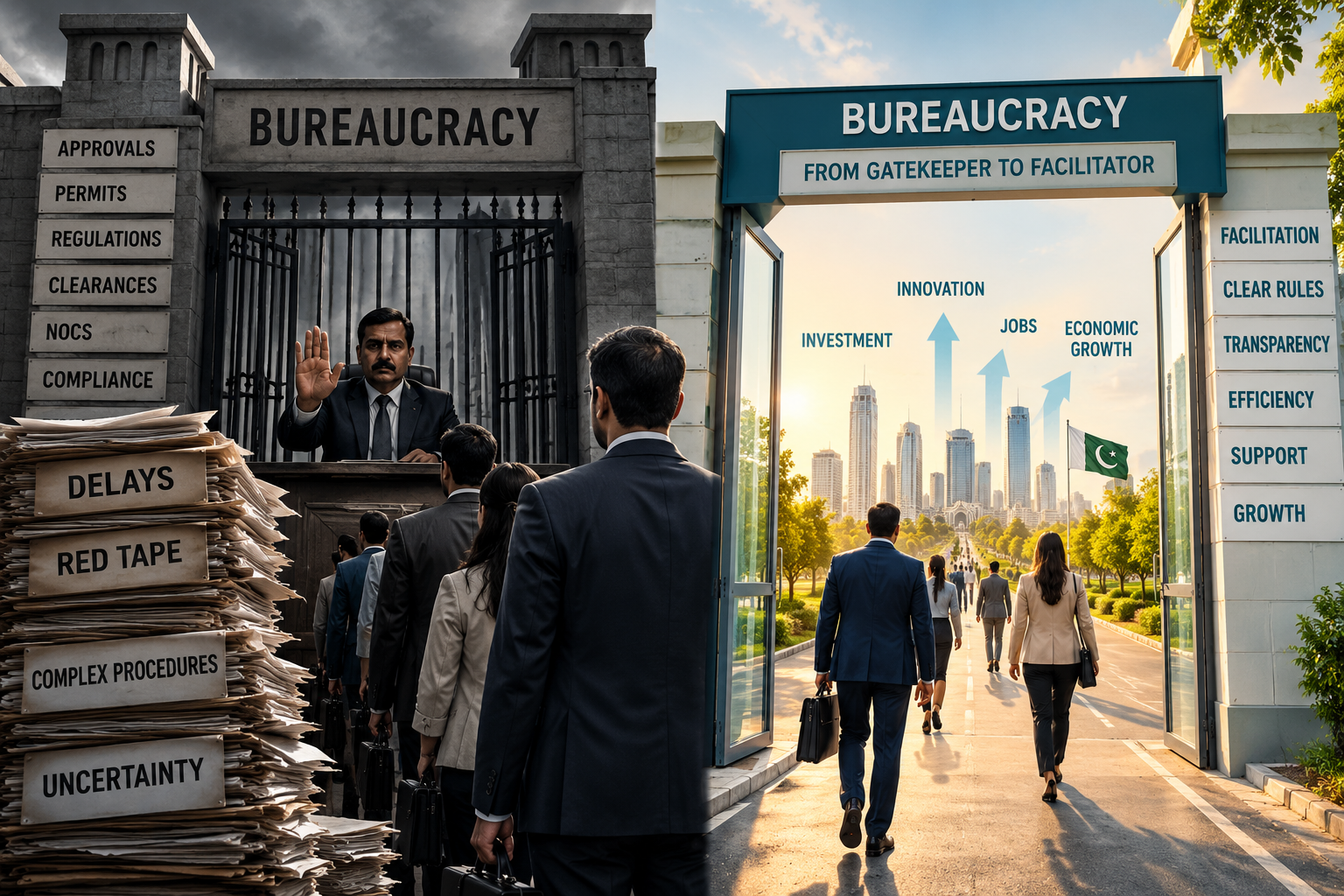
This principle, however, remains largely unrealised in practice. Pakistani bureaucracy answers primarily to the political executive above it rather than to the legislature that represents the people. Real public accountability requires Parliament and provincial assemblies to discharge their constitutional oversight responsibilities with seriousness and consistency. The legislature, not internal executive mechanisms, is the true centre of administrative accountability.
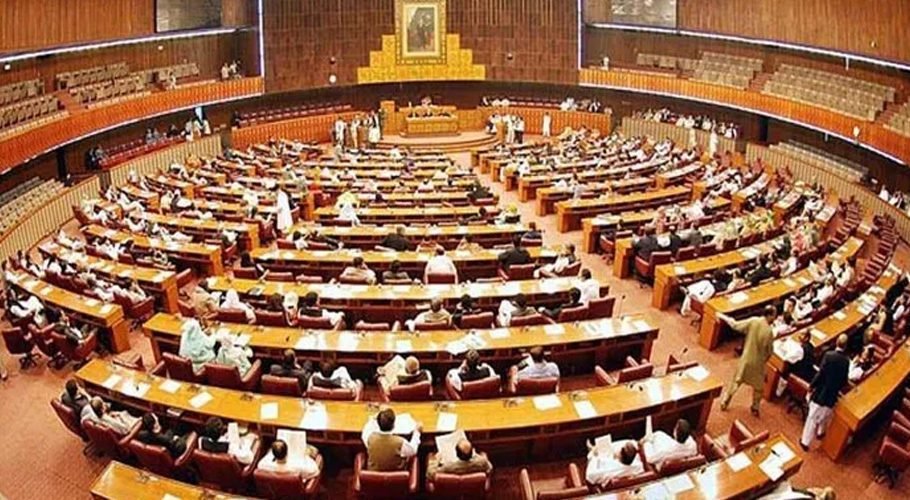
Pakistan’s governance crisis is not rooted only in bureaucratic inefficiency. The deeper failure is the weakness of parliamentary oversight itself. Standing committees, Public Accounts Committees, and other parliamentary forums exist precisely to examine institutional performance, scrutinise the use of public resources, analyse policy outcomes, and summon senior officials to account. These bodies have not yet functioned at anything close to their constitutional capacity.
A legislature elected through free, fair, and transparent elections carries stronger moral and constitutional authority. When members of Parliament and provincial assemblies genuinely understand their legislative and oversight roles, senior officials including Chief Secretaries and federal secretaries appear regularly before committees, explain their decisions, and become accountable to elected representatives. This process alone builds durable and effective accountability.
Better governance, a capable bureaucracy, and a mature democracy in Pakistan are possible only when parliamentary and provincial committee systems become active, empowered, and professional. Accountability must be anchored in institutions, not personalities. Strong institutions are what stabilise the state.
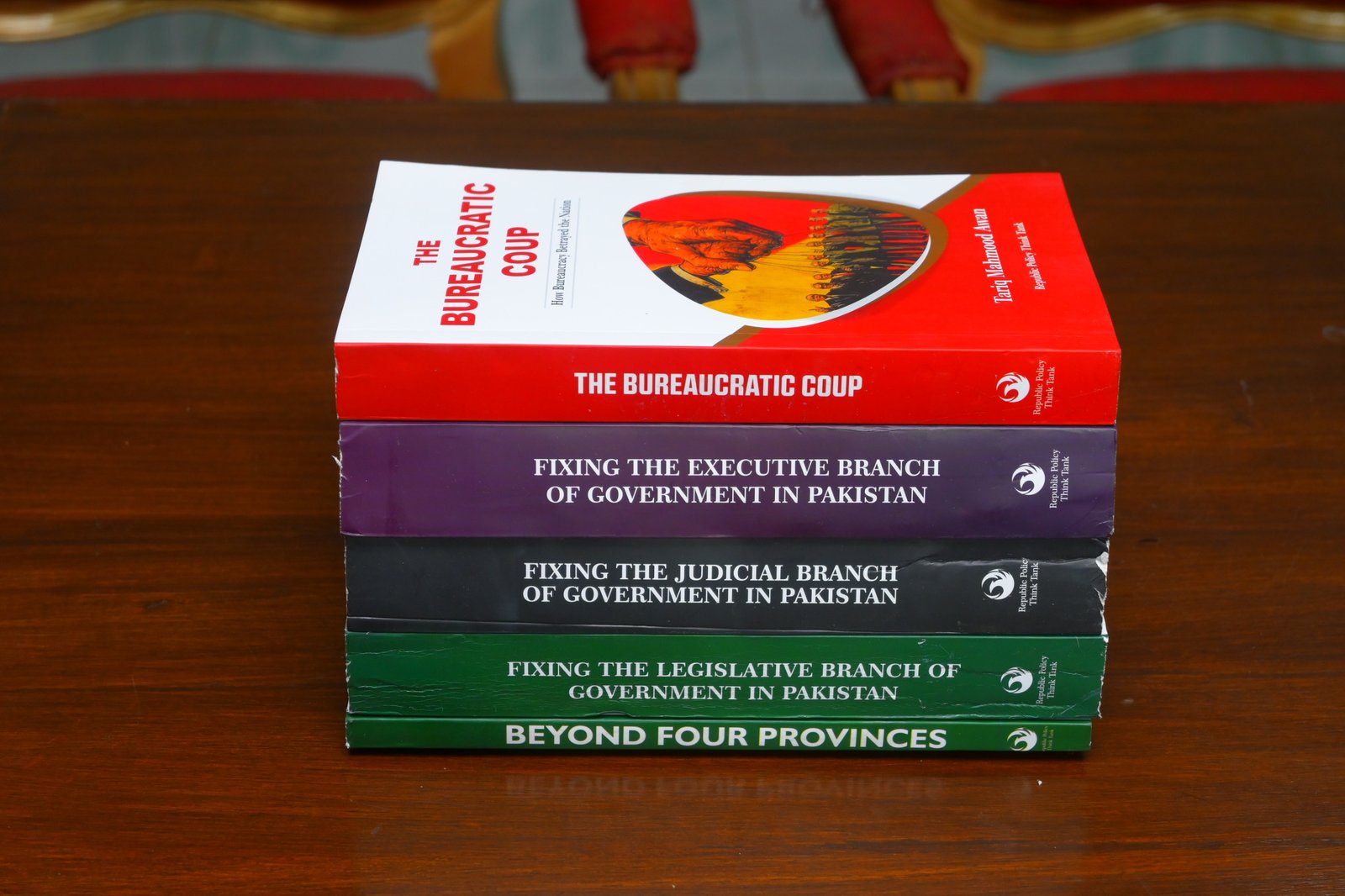
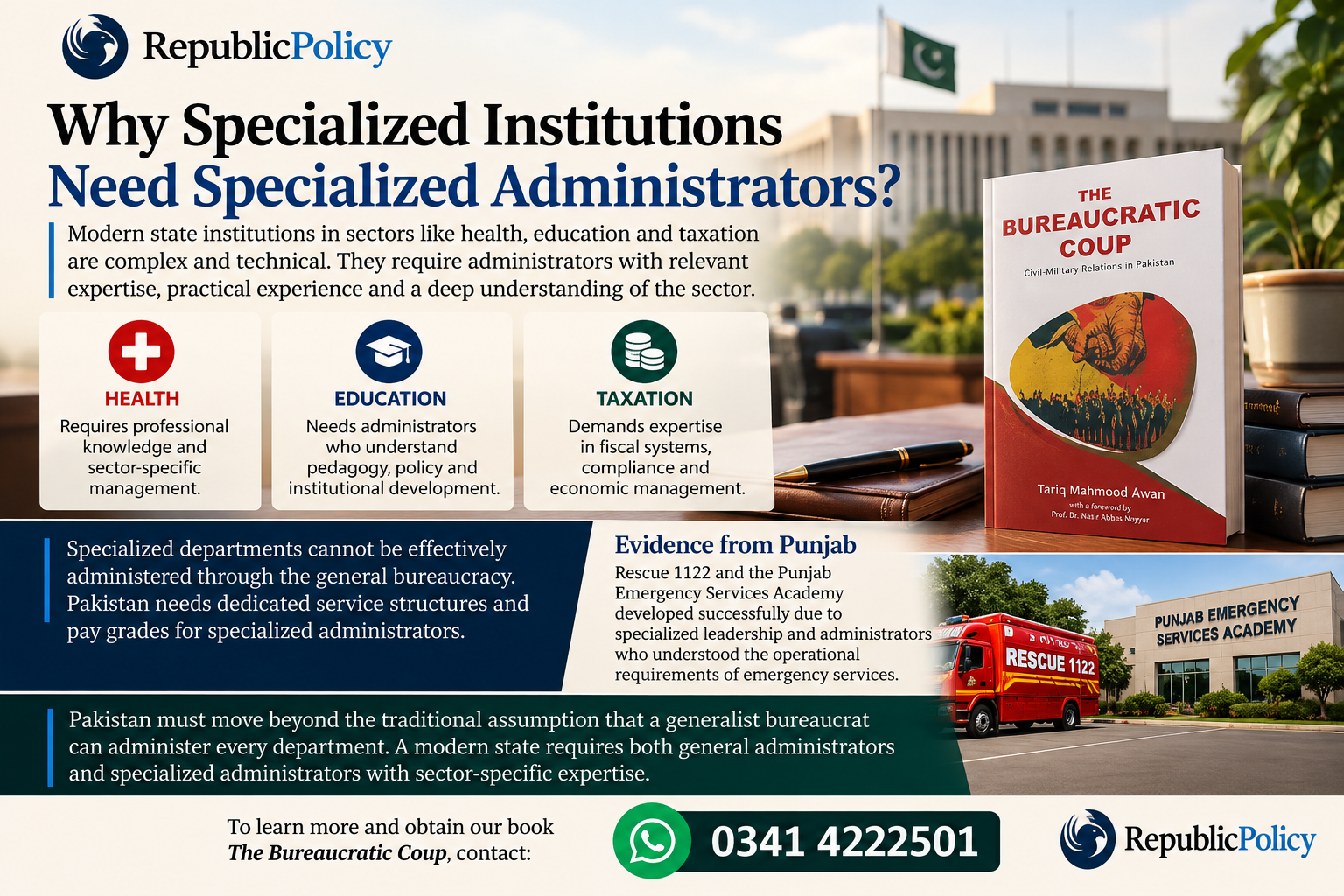
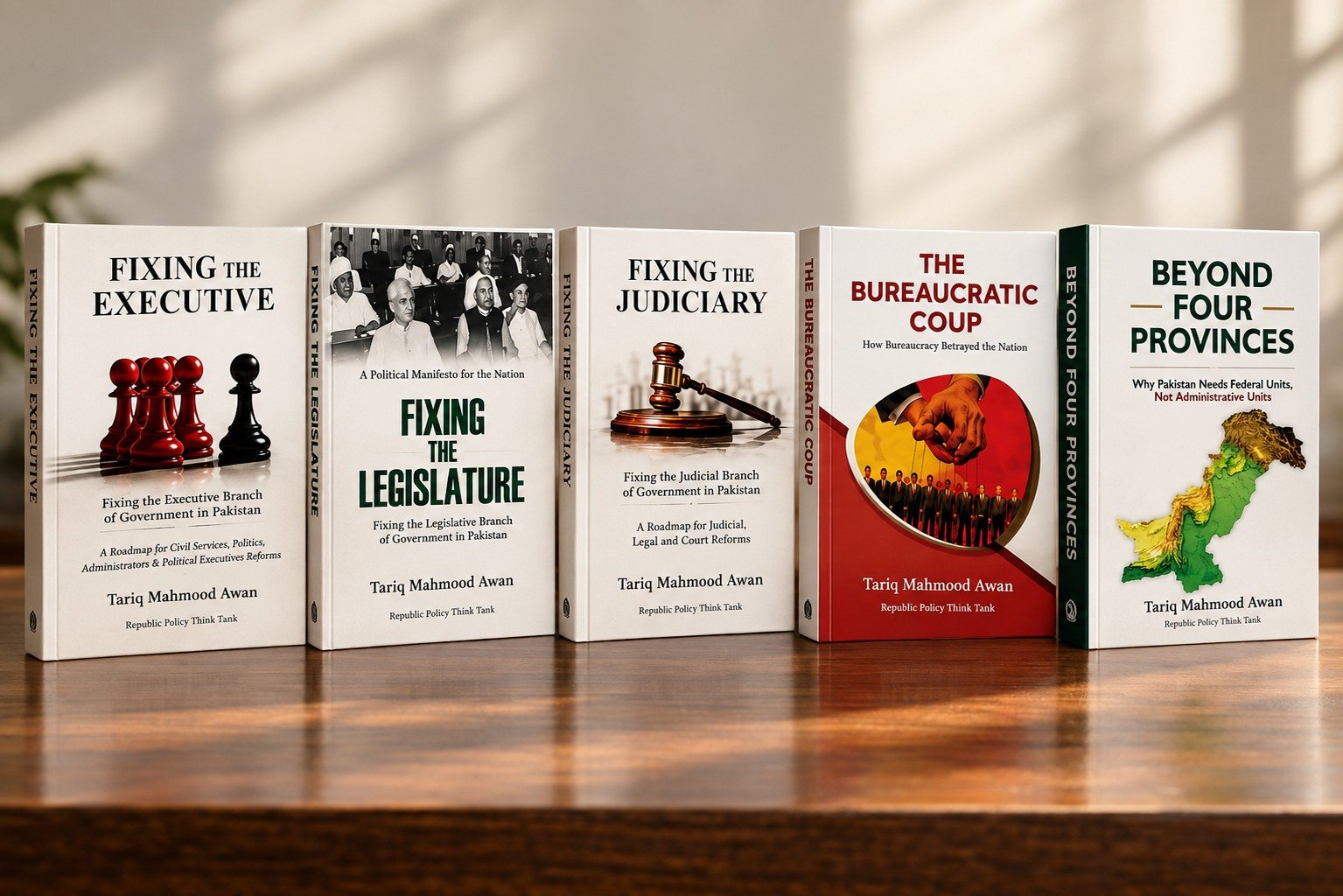
The best-selling books of Republic Policy Think Tank, including the landmark book The Bureaucratic Coup, are available at Vanguard Books, Liberty Books, Readings, Kitab Sarai, Sang-e-Meel, Saeed Book Bank Islamabad, National Book Foundation, and others across Pakistan. Contact for home delivery: 0300 9552542.