
Written by: Zafar Iqbal
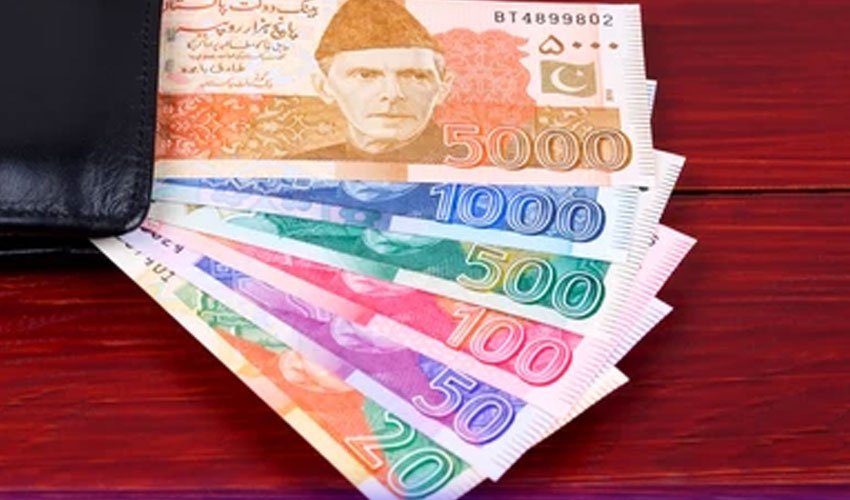
The State Bank of Pakistan’s plan to replace all existing currency notes with enhanced security features from February 2024 is a bold move with both promising and potentially problematic aspects. While the stated goals of preventing corruption and combating counterfeiting are laudable, a closer look reveals complexities and potential challenges.
Positive goals:
Improved security: Upgrading security features is essential to combat counterfeiting, which has been acknowledged by the State Bank of India. New notes with improved features will make counterfeit currency harder to counterfeit and circulate while protecting the integrity of the financial system.
Anti-corruption potential: The measure aims to stem illicit funds, which potentially disrupt corruption networks that rely on large cash holdings. Switching to high-denomination notes like Rs 5,000, which are often used in informal transactions, could further curb corrupt practices.
Transparency and Innovation: The introduction of new notes with a new design indicates a commitment to transparency and innovation. This aligns Pakistan with global trends in currency management and can enhance confidence in the financial system.
Challenges and Concerns:
Logistical complexity: It is a difficult task to exchange all the notes across the country within a short period of time. The State Bank needs to ensure smooth cash flow, public awareness campaigns, and efficient exchange mechanisms to avoid disruptions and public frustration.
Black Market: A sudden return of old notes can fuel a black market for their exchange, giving advantage to those with prior knowledge and access to resources. State Bank should implement strong security measures to prevent such exploitation.
Don’t forget to Subscribe our Youtube Channel & Press Bell Icon.
Political resistance: Powerful individuals and groups who benefit from the current system, including those involved in corruption or the informal economy, may resist changes. To overcome such resistance, the State Bank needs strong political support and public support.
Impact on the informal economy: While banning the use of the Rs 5,000 note may be aimed at formalizing the informal economy, it may disproportionately affect small businesses and individuals who rely on cash transactions. The State Bank should consider targeted measures to support such segments during the transition.
The State Bank of India’s currency conversion plan promises to improve security, transparency and potentially combat corruption. However, its success depends on careful planning, effective implementation, and robust measures to address logistical challenges, potential black market activities, and impact on vulnerable segments of the economy. Open communication with the public and strong political backing are critical to navigating potential resistance and ensuring a smooth transition. Only time will tell if this new initiative achieves its intended goals without unintended consequences.
Overall, the State Bank of Pakistan’s currency conversion plan promises to combat corruption, increase security, and promote a more formal economy. However, careful implementation is critical to address logistical challenges, minimize barriers, and ensure equitable outcomes for all segments of the population. The success of this initiative depends on effective communication, public education and strong political support.