
Zafar Iqbal
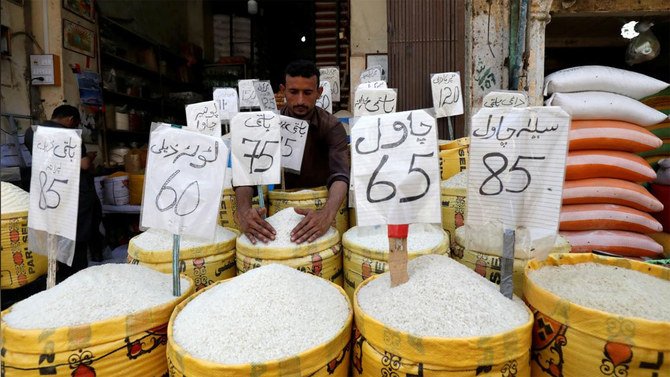
Price hike is the term used to describe the increase in the general level of prices of goods and services over a period of time. It is also known as inflation, and it affects the purchasing power of consumers and the profitability of producers. Price hike can have various causes, such as supply shocks, demand shocks, monetary expansion, fiscal deficits, exchange rate fluctuations, etc.
One of the main reasons of price hike in Pakistan is the high dependency on imports, especially of fuel and edible oil, which account for a large share of the country’s import bill. These commodities are subject to global market fluctuations, and any increase in their prices can have a significant impact on the domestic inflation. For example, in January 2023, Pakistan increased the prices of petrol and diesel by 35 rupees, following the surge in international oil prices. Moreover, the depreciation of the Pakistani rupee against the US dollar, which is partly due to the country’s large current account deficit and external debt, also makes imports more expensive and adds to the inflationary pressure.
Another reason of price hike in Pakistan is the low productivity and efficiency of the domestic agricultural sector, which is the main source of food supply for the population. Pakistan faces various challenges in its agricultural production, such as water scarcity, climate change, pest infestation, lack of modern technology, etc. These factors reduce the output and quality of crops, and create supply shortages and food insecurity. According to the Pakistan Bureau of Statistics, the annual inflation rate in Pakistan accelerated to 29.2% in November 2023, and food inflation also quickened to 28%, up from 26.8% in the preceding month. The high food prices affect the poor and vulnerable segments of the society the most, as they spend a large proportion of their income on food.
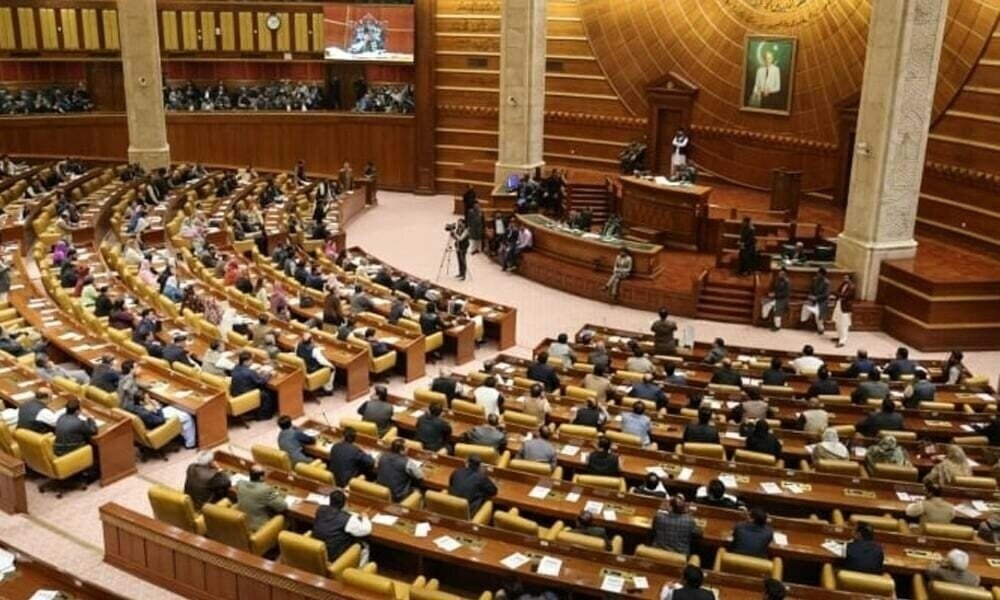
A third reason of price hike in Pakistan is the political instability and uncertainty that prevails in the country, which affects the confidence and expectations of the economic agents. Pakistan has experienced frequent changes in government, civil-military tensions, social unrest, terrorism, and regional conflicts, which have undermined the credibility and effectiveness of the economic policies and institutions. Political instability can also deter foreign direct investment, which is a source of capital, technology, and employment for the country. Furthermore, political instability can increase the risk of stock price crashes, which can have negative spillover effects on the real economy.
Please, subscribe to the monthly magazines of republicpolicy.com
To control price hike in Pakistan, the government and the central bank need to adopt a comprehensive and coordinated approach that addresses the root causes of inflation and ensures macroeconomic stability and growth. Some of the possible methods and strategies are:
- Improving the domestic production and productivity of the agricultural sector, by investing in irrigation, research, extension, mechanization, storage, and marketing facilities, and by providing subsidies, credit, and insurance to the farmers. This can help reduce the dependency on food imports, increase the food security, and lower the food inflation.
- Diversifying the export base and promoting the value-added and competitive sectors, such as textiles, leather, sports goods, IT, etc., by providing incentives, tax relief, and infrastructure support to the exporters. This can help increase the foreign exchange earnings, reduce the current account deficit, and stabilize the exchange rate.
- Implementing prudent fiscal and monetary policies, by reducing the budget deficit, increasing the tax revenue, curbing the money supply growth, and raising the interest rates. This can help control the aggregate demand, reduce the inflationary expectations, and anchor the inflation target.
- Enhancing the political stability and security, by strengthening the democratic institutions, ensuring the rule of law, resolving the civil-military issues, combating the terrorism, and improving the regional relations. This can help boost the confidence and optimism of the economic agents, attract the foreign direct investment, and prevent the stock price crashes.
Political stability is critical for price hike control in Pakistan because it can create a conducive environment for the implementation and effectiveness of the economic policies and reforms. Political stability can also reduce the uncertainty and volatility in the market and improve the economic performance and prospects of the country. As recent studies found, political instability has a significant impact on inflation volatility, especially for developing countries with a lower degree of independence of the central banks4. Therefore, political stability is essential for achieving the goals of price stability and economic growth in Pakistan.
Pakistan’s current economic struggle is characterized by a persistent and concerning price hike. While various economic factors contribute to this issue, political stability plays a crucial role in managing inflation and fostering a healthy economic environment.
Political stability fosters an environment of predictability and confidence, which is essential for attracting foreign and domestic investments. These investments are vital for creating jobs, stimulating economic activity, and boosting productivity. A stable political environment encourages long-term planning and investment, leading to sustainable economic growth. Conversely, political instability creates uncertainty and discourages investment, hindering economic growth and exacerbating inflationary pressures. Political stability strengthens public confidence in the government and its policies. This, in turn, encourages consumer spending, driving economic activity and demand. However, political instability breeds uncertainty and fear, leading to decreased consumer confidence and spending. This dampens economic activity and further contributes to inflation.
Effective policy implementation is crucial for controlling inflation. Political stability ensures the government can implement necessary economic policies without disruptions or delays. This allows for swift and effective responses to economic challenges, including measures to manage inflation. Conversely, political instability can hinder policy implementation due to frequent changes in leadership and priorities, leading to delays and inconsistencies in economic policy. Political stability creates a conducive environment for good governance and transparency. This helps in curbing corruption, which can significantly contribute to inflation. Corruption distorts resource allocation and leads to inefficiencies, ultimately driving up prices for consumers. Conversely, political instability can create opportunities for corruption to flourish, further exacerbating inflationary pressures.
Stable political relations with other nations are essential for facilitating trade and attracting foreign currency. International trade allows for access to essential goods and services, while foreign currency helps stabilize the national currency and manage inflation. Conversely, political instability can lead to strained relations with other countries, hindering trade and foreign currency inflows, ultimately contributing to price hikes.
To effectively control Pakistan’s price hike, it is crucial to prioritize political stability. This involves strengthening democratic institutions, fostering political dialogue and compromise, and upholding the rule of law. Additionally, measures to improve transparency, accountability, and good governance are essential to combat corruption and ensure efficient resource allocation. By promoting political stability and fostering a healthy economic environment, Pakistan can effectively manage inflation and pave the way for sustainable economic growth.
Please, subscribe to the YouTube channel of republicpolicy.com