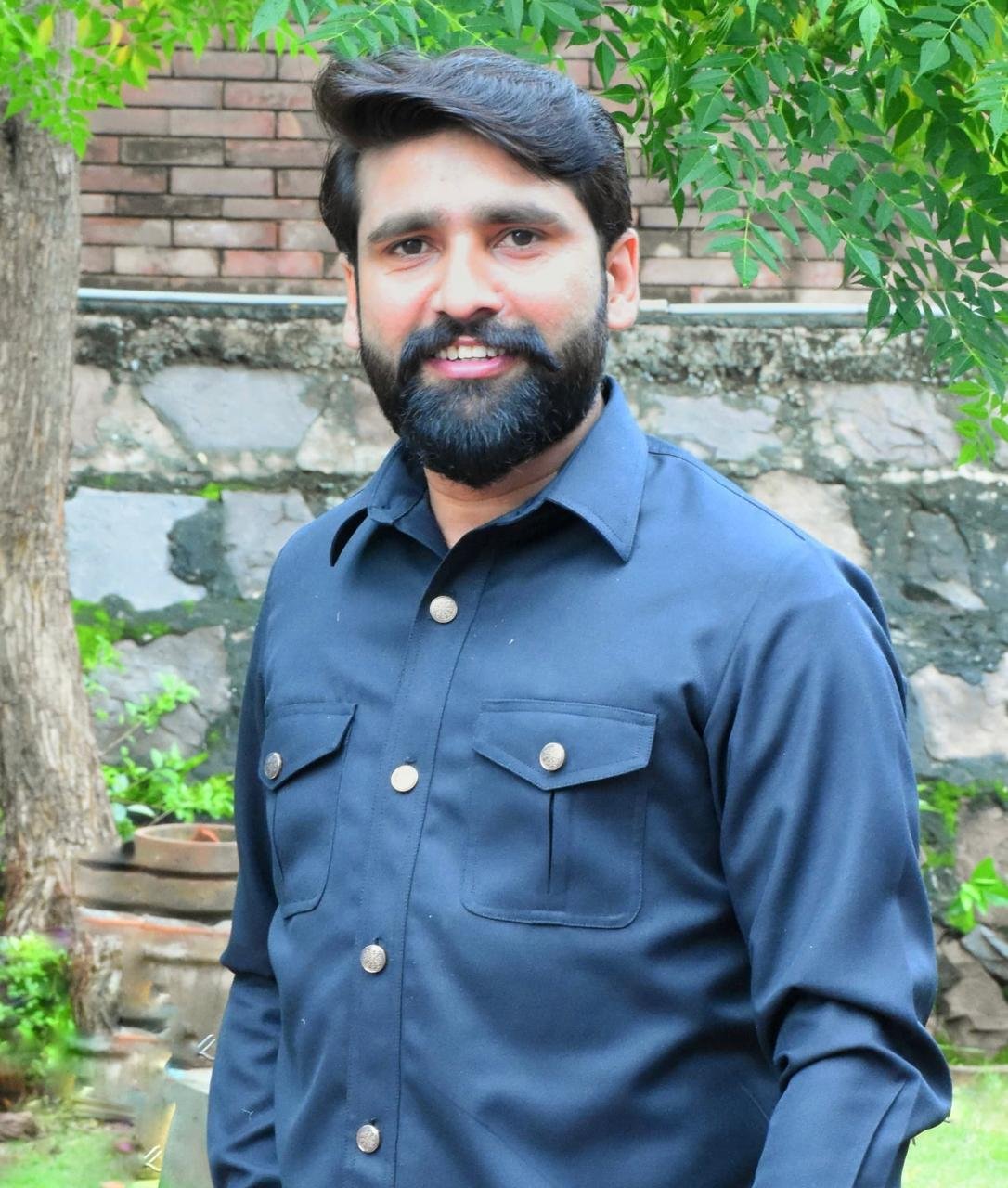

Arshad Mahmood Awan
A sports culture is a society-wide appreciation and engagement with sports characterized by active participation, widespread support for sporting events, and a general belief in the positive impact of sports on individuals and communities. It is an environment where sports are not just a pastime but an integral part of the national identity, fostering unity, promoting healthy lifestyles, and inspiring personal growth.
Engaging in sports offers a multitude of benefits for individuals, making it crucial for every citizen to participate in some form of physical activity. Sports promote physical fitness, enhancing cardiovascular health, muscle strength, and endurance. They also contribute to mental well-being, reducing stress, anxiety, and depression while boosting self-esteem and cognitive function.
Beyond individual benefits, sports play a transformative role in shaping nations, fostering unity, promoting social cohesion, and instilling national pride. They provide a common platform for people from diverse backgrounds to connect, celebrate shared passions, and build a sense of national identity. Sports also inspire individuals to strive for excellence, set goals, overcome challenges, and develop a strong work ethic.
Please, subscribe to the monthly magazines of republicpolicy.com
To cultivate a thriving sports culture in Pakistan, a comprehensive approach encompassing government initiatives, community engagement, and individual participation is essential:
Government Support and Infrastructure: The government should allocate resources to develop sports infrastructure, including modern stadiums, training facilities, and public parks. It should also implement policies that promote sports education, coaching programs, and talent identification initiatives.
Community Engagement and Grassroots Development: Encourage community participation in sports activities by organizing local tournaments, leagues, and sports festivals. Promote sports in schools and educational institutions, integrating physical education into the curriculum.
Media Coverage and Role Models: Utilize media platforms to highlight sporting achievements, promote sports personalities as role models, and raise awareness about the benefits of sports participation.
Private Sector Involvement: Encourage private sector investment in sports facilities, equipment, and sponsorships. Foster partnerships between sports organizations and businesses to expand opportunities for sports development.
Inclusive and Accessible Sports: Ensure that sports are accessible to all citizens, regardless of gender, socioeconomic background, or physical abilities. Promote adaptive sports programs and inclusive sports facilities.
Promote Sports in Rural Areas: Extend sports initiatives to rural communities, providing access to infrastructure, training, and competitions. Encourage traditional sports and indigenous games to preserve cultural heritage.
Celebrate Sporting Achievements: Recognize and celebrate sporting achievements at all levels, from local tournaments to international competitions. Host national sporting events and promote Pakistan as a sporting destination.
By implementing these strategies, Pakistan can cultivate a vibrant sports culture that nurtures physical and mental well-being, fosters national unity, and inspires generations of athletes to achieve greatness. Sports can serve as a powerful tool for social transformation, driving progress and prosperity for the nation. Furthermore, it is also vital that schools and colleges in Pakistan develop a sports culture. It is also important that women are also encouraged to play sports. Sports are not only entertainment or healthy endeavours but rather now an industry where youth can develop their economic careers. Therefore, with sports culture, sports will become an industry vital for the socioeconomic uplift of a nation.
Please, subscribe to the YouTube channel of republicpolicy.com