
Naveed Hussasin Ch
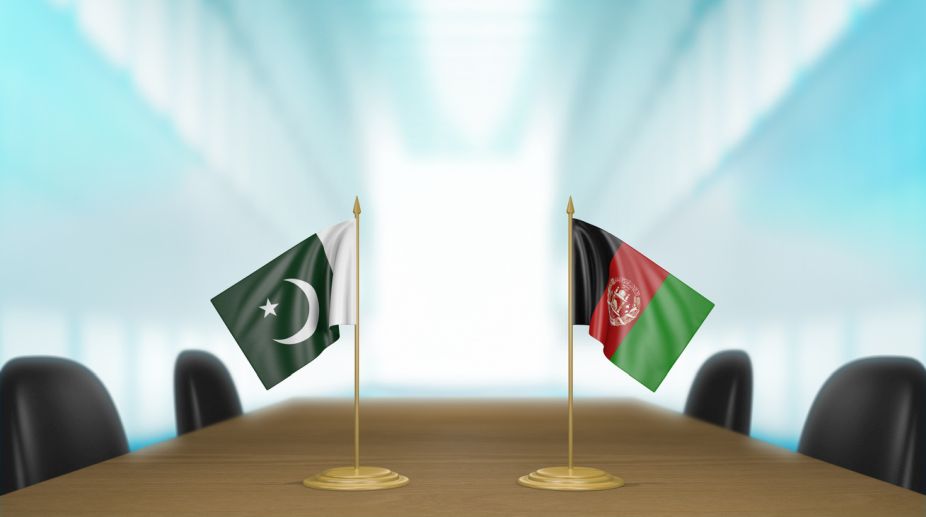
For over a year, the fragile relations between Pakistan and the Afghan Taliban have been strained by the ever-present specter of the Tehreek-i-Taliban Pakistan (TTP). Despite repeated demands and high-level talks, Kabul’s inaction against the outlawed group operating from its soil has left Islamabad increasingly frustrated and vulnerable.
Unfulfilled Expectations, Escalating Concerns:
Islamabad initially hoped that the Taliban’s return to power in 2021 would lead to a secure western border. This optimistic anticipation turned into stark reality as border tensions and terrorist attacks targeting Pakistani forces skyrocketed. UN reports confirmed the TTP’s flourishing under the Taliban, further amplifying Pakistan’s security concerns.
Pakistan’s Mounting Frustration:
Leakages from Pakistan’s defense ministry in May 2023 confirmed the escalating threat posed by the TTP’s regrouping in Afghanistan. Military pronouncements echoed these anxieties, highlighting the “safe havens” enjoyed by the TTP and warning of “effective responses” if attacks persisted. Public pronouncements grew even more direct, urging Kabul to choose between the TTP and Pakistan.
A Futile Ceasefire and Renewed Violence:
The TTP’s audacious attacks after the collapse of its short-lived ceasefire in November 2022 further illustrated the group’s emboldened posture. The horrific Peshawar mosque attack in January 2023 was a chilling reminder of the TTP’s destructive potential. Despite dire warnings and multiple rounds of talks throughout 2023, no tangible progress was made.
Pakistan Shifts Course, Leverages Pressure Points:
Islamabad’s patience wore thin. Frustrated by the lack of response, Pakistan adopted a more assertive approach. Rebuffing further talks with the TTP, Pakistan implemented measures designed to pressure the Taliban: deporting undocumented Afghans, restricting trade, and intensifying public criticism.
Kabul’s Balancing Act:
Kabul, acknowledging the need for improved relations, sought to decouple trade and terrorism while resisting external pressure. The recent Afghan delegation’s visit aimed to address issues of mutual concern, including trade concerns and the slowing down of deportations.
Stalemate on TTP, the Core Issue:
Despite reengagement efforts, no progress was made on the crucial issue of the TTP. Kabul’s request for more time, citing winter as an obstacle, and vague promises of future action raised doubts about their commitment. The question of the Taliban’s sincerity remained unanswered, and Islamabad’s patience appeared exhausted.
Uncertain Future, Limited Options:
The key question looms: how will Pakistan respond to the Taliban’s continued inaction? Coercive measures risk rupturing the already fragile relationship, making finding a solution an intricate balancing act. Pakistan’s options seem limited, leaving the future of this fraught relationship and the threat of TTP-fueled violence hanging in a precarious balance.
The TTP issue is a complex and multifaceted one, with no easy solutions. It highlights the intricate relationship between Pakistan and the Afghan Taliban, where security concerns and political realities clash. Finding a lasting solution requires a genuine commitment from both sides, a willingness to address the root causes, and a recognition that the TTP’s continued presence poses a threat to both nations. Only then can a fragile peace be established and the long shadow of the TTP be lifted from this volatile region.
Please, subscribe to the YouTube channel of republicpolicy.com