
By Dr Amir Raza
What is Zero Hunger?
Zero Hunger is not merely a goal; it is a moral imperative that seeks to create a world where every individual has access to sufficient, safe, and nutritious food. This ambitious vision is enshrined in Goal 2 of the Sustainable Development Goals (SDGs) – to end hunger, achieve food security, improve nutrition, and promote sustainable agriculture by 2030. To embark on this journey, it is crucial to understand the causes, undertake comparative analyses across diverse groups, and devise strategies to eradicate the underlying factors that perpetuate hunger.
Unpacking the Causes of Zero Hunger
Zero Hunger remains an elusive goal, primarily due to a complex interplay of factors that breed food insecurity and malnutrition.
Economic Disparities: The Inequality Divide
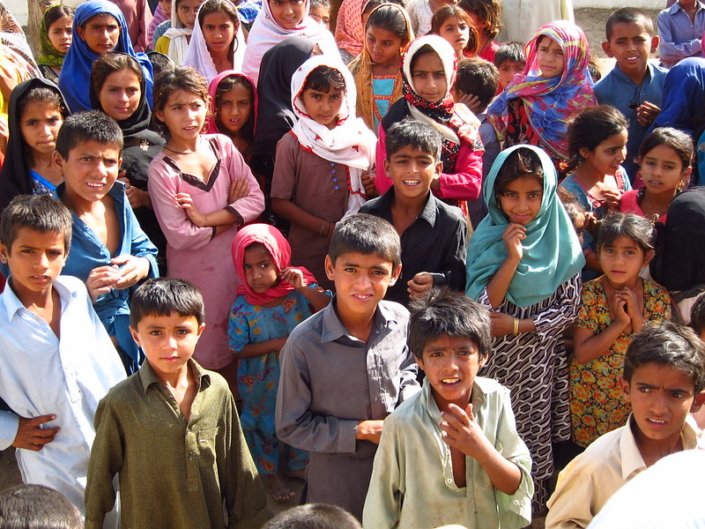
Economic disparities form the bedrock of hunger. Phrases like “left in the dust” and “short end of the stick” capture the stark reality of marginalized groups, particularly in a country like Pakistan. Rural populations often find themselves devoid of resources, job opportunities, and access to markets, accentuating inequalities in food access and nutrition outcomes.
Climate Vulnerability: Nature’s Wrath
Climate change poses an escalating threat to food security. The idiom “weather the storm” mirrors the struggles of vulnerable communities in Pakistan and beyond, who must grapple with extreme weather events, droughts, floods, and shifting agricultural patterns. These climatic challenges disrupt food production and livelihoods, further contributing to hunger.
Inadequate Infrastructure: The Roadblocks to Access
Insufficient infrastructure, symbolized by “crumbling bridges” and “dead-end roads,” hinders food distribution and market access, particularly in rural areas. This lack of connectivity limits farmers’ ability to reach consumers, stifles economic growth, and perpetuates food insecurity.
Political Turmoil: Governance Challenges
Political instability, exemplified by the idiom “walking on eggshells,” disrupts governance and policymaking. Inconsistent policies and corruption can undermine efforts to alleviate hunger, and a lack of effective governance hampers the implementation of crucial food security measures.
Conflict and Displacement: A Humanitarian Tragedy
Conflict and violence create a humanitarian catastrophe that exacerbates hunger. Families often find themselves “caught in the crossfire,” forced to abandon their homes and livelihoods, deepening food insecurity. Conflict zones in Pakistan and other regions bear witness to the tragic repercussions of ongoing strife.
Comparative Analysis of Zero Hunger: Disparities Unveiled
Effectively combating Zero Hunger requires recognizing that hunger affects different groups disparately, as evidenced in Pakistan and beyond.
Rural vs. Urban Disparities: Bridging the Gap
In Pakistan, as in many countries, rural areas consistently face higher hunger rates than urban centers. The urban-rural divide is evident, with limited access to quality healthcare, education, and employment opportunities in rural regions. Policies must strive to “level the playing field” by investing in rural infrastructure and agriculture to bridge this gap.
Provincial Variations: The Patchwork of Hunger
When examining Zero Hunger on a provincial scale in Pakistan, disparities emerge. Baluchistan and Khyber Pakhtunkhwa often experience higher levels of hunger than Punjab and Sindh. Tailored interventions should consider these regional variations.
Gender Disparities: Empowering Women for Change
Gender plays a pivotal role in hunger dynamics. Women, particularly in rural areas, often encounter “uphill battles” in accessing resources and economic opportunities. Programs that empower women economically and socially can help break the cycle of hunger.
Conflict-Affected Regions: A Humanitarian Imperative
In conflict-affected areas, such as parts of Baluchistan and Khyber Pakhtunkhwa, hunger is a dire concern. Initiatives that prioritize peacebuilding, humanitarian aid, and conflict resolution are essential to address hunger in these regions.
Removing the Causes of Zero Hunger: A Multi-faceted Approach
Eradicating the root causes of hunger requires a multi-dimensional approach, spanning legislative, administrative, financial, and other realms.
Legislative Measures: Navigating Policy Reforms
Effective legislation is vital to address the underlying causes of hunger. Governments should enact laws that promote equitable land distribution, protect vulnerable populations, and ensure fair labor practices. Phrases like “break down barriers” and “build bridges” come to mind when envisioning these legal reforms.
Administrative Reforms: Building Capacity for Change
Administrative reforms are crucial for efficient food distribution and equitable access. Capacity-building programs should be implemented to enhance the skills and capabilities of government officials and agencies responsible for food security.
Financial Initiatives: Investing in Food Security
Financial resources are essential for addressing hunger. Governments and international organizations should allocate adequate funding for food security programs, social safety nets, and agricultural development.
Climate Resilience: Adapting to Change
Climate-resilient agriculture and disaster preparedness programs are paramount in combating the effects of climate change. Investments in drought-resistant crops, efficient water management, and early warning systems can help communities “weather the storm.”
Community Empowerment: Harnessing Local Solutions
Community-based initiatives and partnerships with civil society organizations empower marginalized groups to “take the bull by the horns” and create solutions tailored to their specific needs. Women’s empowerment programs and microfinance initiatives can empower individuals to break free from the cycle of hunger.
Data and Monitoring: Informed Decision-Making
Robust data collection and monitoring systems are indispensable for tracking progress in hunger reduction efforts. Comprehensive data on nutrition, food access, and agricultural productivity are vital for informed decision-making.
In conclusion, Zero Hunger is a formidable but achievable goal. To realize this vision, it is imperative to address the root causes of hunger, embrace a multi-dimensional approach, and foster global collaboration. Hunger is not a standalone issue; it is intertwined with economic, climatic, and social factors. Through collective action, commitment, and innovative solutions, we can move closer to a world where Zero Hunger is a reality for all.
The United Nations (UN) plays a pivotal role in the global effort to achieve Zero Hunger. This ambitious goal is enshrined in the second Sustainable Development Goal (SDG), which aims to end hunger, achieve food security, improve nutrition, and promote sustainable agriculture by 2030. The UN leverages its extensive network, resources, and expertise to address the complex and interconnected challenges related to food security and hunger eradication.
Here are key aspects of the UN’s role in Zero Hunger:
1. Advocacy and Awareness:Global Platform: The UN serves as a global platform to raise awareness about the urgency of achieving Zero Hunger. Through high-level summits, conferences, and campaigns, it mobilizes political will and public support for hunger eradication.
2. Policy Formulation:Guidance and Frameworks: The UN develops policy frameworks and guidelines to guide member states in formulating and implementing strategies to combat hunger. These frameworks emphasize the importance of sustainable agriculture, food security, and nutrition.
3. Coordination and Collaboration:Multilateral Cooperation:
The UN fosters multilateral cooperation among member states, international organizations, and civil society to pool resources and expertise. This collaboration enhances the effectiveness of hunger reduction efforts.
4. Data and Monitoring:Comprehensive Data: The UN collects and disseminates comprehensive data on hunger and food security, providing a clear understanding of the scope of the problem. This data-driven approach informs evidence-based policymaking.
5. Technical Assistance:Capacity Building:
The UN provides technical assistance and capacity-building support to countries, particularly in the Global South, to strengthen their agricultural and food systems. This assistance helps enhance resilience to food-related challenges.
6. Humanitarian Response:Emergency Relief:
The UN’s humanitarian agencies, such as the World Food Programme (WFP) and the Food and Agriculture Organization (FAO), respond to food crises and emergencies by delivering food aid and providing support to affected communities.
7. Innovation and Research:Research Initiatives:
The UN conducts research and promotes innovation in agriculture, nutrition, and food production. It seeks sustainable solutions to improve food security and reduce hunger.
8. Sustainable Development Goals (SDGs):Integration:
The UN ensures that the Zero Hunger goal is integrated with other SDGs, recognizing the interconnectedness of global challenges. Achieving Zero Hunger contributes to poverty reduction, health improvement, and environmental sustainability.
9. Monitoring Progress:SDG Reporting:
The UN monitors and reports on the progress of member states toward achieving Zero Hunger and other SDGs. This accountability mechanism encourages countries to stay committed to their targets.
10. Advocating for Vulnerable Populations:
The UN advocates for the rights and well-being of vulnerable populations, including children, women, and marginalized communities, who are disproportionately affected by hunger.
Recommendations:
Paving the Way to Zero Hunger
Eradicating hunger and achieving Zero Hunger by 2030 is a monumental challenge, but it is a mission we must undertake with unwavering determination. To translate this vision into reality, a comprehensive set of recommendations spanning legislative, administrative, financial, and other dimensions is imperative:
1. Legislative Reforms:
- Land Reforms: Enact legislation to promote equitable land distribution, ensuring that small-scale farmers and marginalized communities have access to arable land.
- Labor Rights: Implement laws that protect labor rights and ensure fair wages for agricultural workers, addressing the root causes of rural poverty.
- Food Security Act: Establish a comprehensive Food Security Act that guarantees access to safe, nutritious, and affordable food for all citizens, with a focus on vulnerable populations.
2. Administrative Enhancements:
- Capacity Building: Invest in capacity-building programs for government officials and agencies responsible for food security and agricultural development.
- Efficient Distribution: Implement efficient food distribution systems, minimizing waste and ensuring that food reaches the most vulnerable communities.
- Early Warning Systems: Develop robust early warning systems for climate-related disasters, enabling timely responses to protect agricultural livelihoods.
3. Financial Initiatives:
- Agricultural Investment: Allocate substantial financial resources to support agricultural development, research, and technology adoption to enhance productivity.
- Social Safety Nets: Expand and strengthen social safety nets, including cash transfer programs, to provide immediate relief to those facing acute food insecurity.
- Microfinance: Promote microfinance initiatives to empower small-scale farmers and entrepreneurs, enabling them to invest in their livelihoods and break free from the cycle of hunger.
4. Climate Resilience:
- Drought-Resistant Crops: Invest in research and development of drought-resistant crop varieties that can thrive in changing climatic conditions.
- Water Management: Implement efficient water management practices, such as rainwater harvesting and drip irrigation, to ensure water availability for agriculture.
- Early Warning and Response: Strengthen early warning systems for climate-related disasters and develop effective response mechanisms to minimize agricultural losses.
5. Community Empowerment:
- Women’s Empowerment: Implement programs that empower women in agriculture, ensuring their access to resources, decision-making power, and financial independence.
- Local Solutions: Foster community-based initiatives and partnerships with civil society organizations to address hunger at the grassroots level, tailoring solutions to local needs.
6. Data and Monitoring:
- Comprehensive Data: Invest in comprehensive data collection and monitoring systems to track progress in hunger reduction efforts, ensuring transparency and accountability.
- Nutrition Surveillance: Implement nutrition surveillance systems to monitor the nutritional status of vulnerable populations, particularly children and pregnant women.
7. Global Collaboration:
- International Cooperation: Encourage international collaboration and partnerships to pool resources, share best practices, and coordinate efforts in the fight against hunger.
- Advocacy: Engage in global advocacy efforts to raise awareness about the urgency of achieving Zero Hunger and mobilize support from governments, businesses, and civil society.
8. Education and Awareness:
- Nutrition Education: Promote nutrition education programs to raise awareness about healthy eating habits and the importance of diverse diets.
- Community Outreach: Conduct community outreach and awareness campaigns to educate individuals about their rights and available food resources.
Subscribe our website for latest updates:
https://republicpolicy.com/shop/
Read More