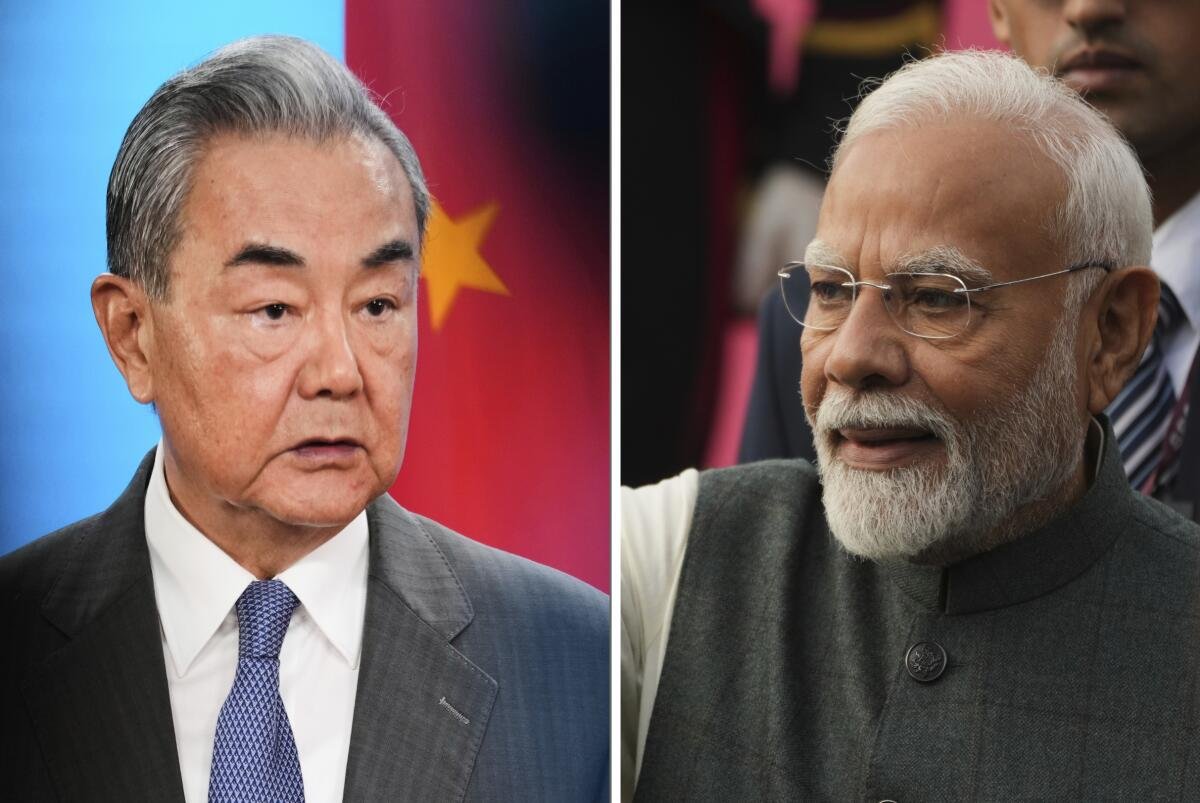

Indian Prime Minister Narendra Modi met China’s top diplomat, Foreign Minister Wang Yi, and emphasized the “steady progress” in repairing bilateral relations after years of border tensions. Modi noted the importance of “mutual respect and sensitivity,” while Beijing’s foreign ministry declared that both countries had re-entered a “steady development track” based on trust and cooperation.
🌐 Website
Wang Yi’s visit to India included meetings with External Affairs Minister Subrahmanyam Jaishankar and National Security Adviser Ajit Doval to address long-standing border disputes in the Himalayan region. India’s foreign ministry confirmed that their discussions centered on “de-escalation, delimitation, and boundary issues,” signaling cautious optimism for peace.
🐦 Twitter / X
Relations between the two Asian giants had plummeted in 2020 following violent clashes in Ladakh, which caused fatalities on both sides and froze high-level dialogue. Wang Yi acknowledged the setbacks but highlighted the importance of restoring stability, while Modi reaffirmed India’s commitment to a peaceful and fair settlement of border questions.
📸 Instagram
The revival of India-China ties coincides with strains in India’s relationship with Washington after the United States imposed steep tariffs on Indian goods. Despite being a member of the Quad alliance alongside the US, Japan, and Australia, India continues to pursue strategic autonomy, balancing relations with China and deepening economic ties with Russia.
📘 Facebook
Both countries have taken steps to reduce military presence along the border, enhance trade cooperation, and ease travel restrictions. China has permitted Indian pilgrims to Tibet, and both sides are working toward restoring direct flights. India’s foreign ministry also confirmed ongoing talks to reopen trade through key border points.
▶ YouTube
Analysts stress that resolving the boundary dispute requires political compromise at the highest level. Modi is preparing to visit China later this month for the Shanghai Cooperation Organization summit, marking his first trip to Beijing in seven years and an opportunity to meet President Xi Jinping directly.
🎵 TikTok
The warming ties are influenced by external dynamics, including the US’s renewed engagement with Pakistan. With Washington imposing tariffs on India while deepening cooperation with Islamabad, New Delhi is recalibrating its strategy by engaging Beijing more actively. Experts note that India cannot afford hostility from both China and Pakistan simultaneously.