
Bangladesh has signalled openness to joining the Makkah Joint Defence Agreement between Pakistan, Saudi Arabia, and Turkiye, as Dhaka looks to expand its strategic partnerships while keeping national interests central to its foreign policy, according to state-run Bangladesh Sangbad Sangstha (BSS).
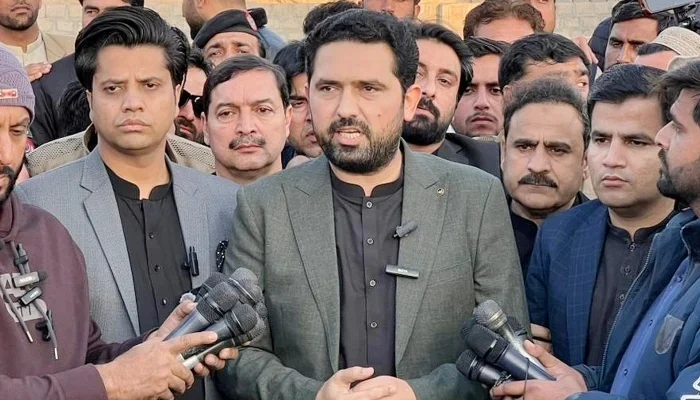
“Bangladesh maintains a positive approach towards the possibility of joining an economic or defence framework involving Saudi Arabia, Pakistan and Türkiye, taking into account its own interests and the changing dynamics of the global economy and trade,” said Humayun Kobir, Bangladesh’s Prime Minister’s Adviser for Foreign Affairs.
Kobir said Bangladesh is pursuing a balanced foreign policy under its “Bangladesh First” approach, with national interests at its core. “Bangladesh is strengthening its working bilateral relationship with Pakistan as part of normal diplomatic engagement, with a focus on trade and bilateral people-to-people connectivity,” he said. He added that a visit by Prime Minister Tarique Rahman to Riyadh, at the invitation of Saudi Crown Prince and Prime Minister Mohammed bin Salman, is likely to be finalised soon after summer.
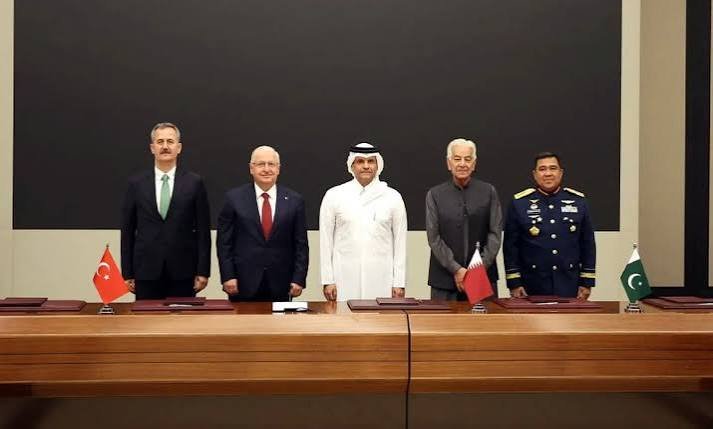
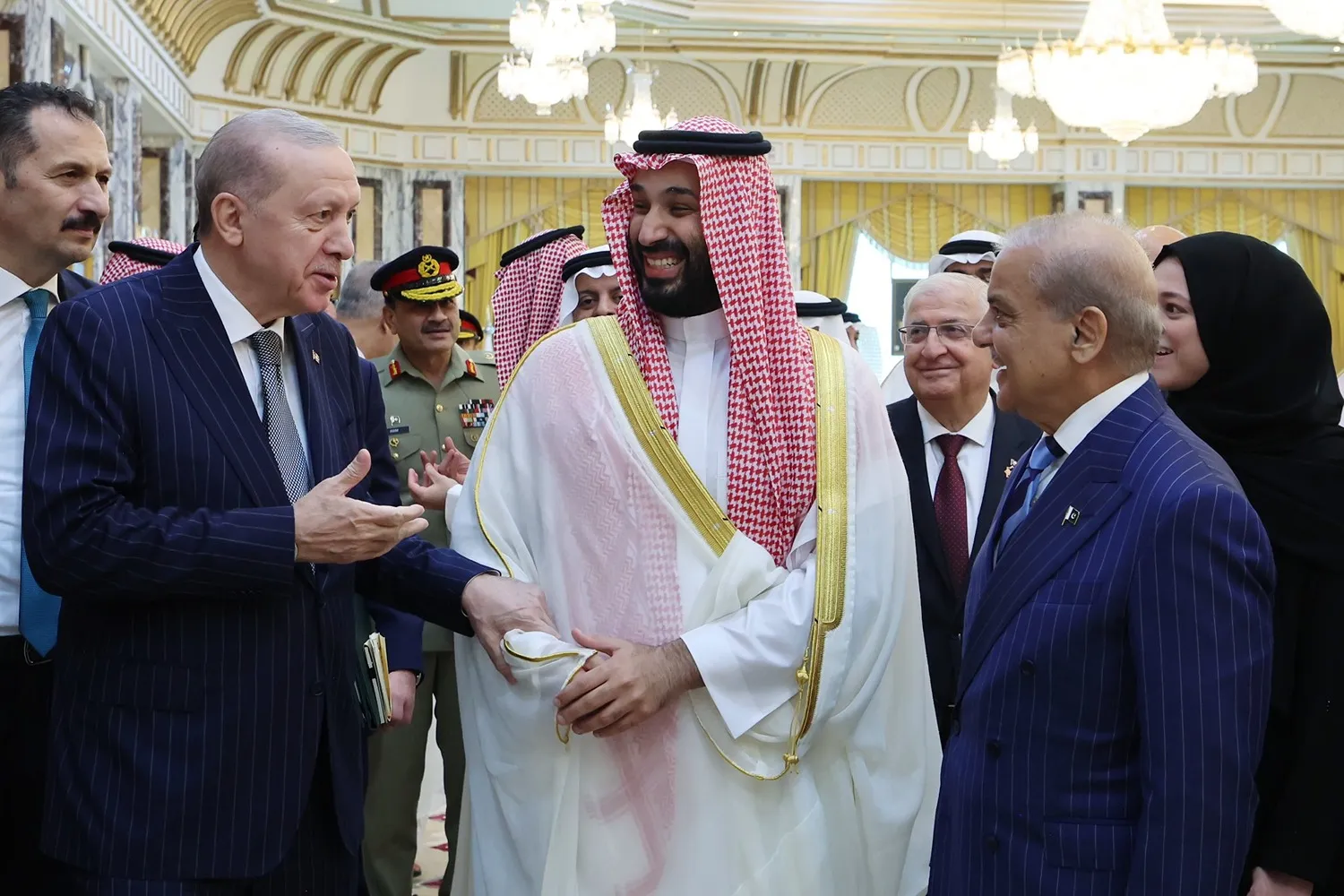
The remarks come just over two weeks after Pakistan, Saudi Arabia, and Turkiye signed the Makkah Joint Defence Agreement on August 7. Under the pact, an armed attack against any one of the three signatories is to be treated as an attack against all three, with the agreement also envisioning broader defence cooperation and collective deterrence.
Turkish Foreign Minister Hakan Fidan has described the arrangement as technically similar to NATO’s Article 5 mutual-defence clause, while stressing it is not directed against Iran or any other country. Ankara has also indicated the framework could expand to include other regional states, with Egypt previously identified as a potential participant.
Pakistan has similarly maintained that the agreement is defensive in nature and open to countries willing to uphold its principles. Deputy Prime Minister and Foreign Minister Ishaq Dar has said the pact does not replace existing bilateral or multilateral arrangements and remains open to countries committed to cooperation, mutual respect, and the peaceful resolution of disputes.