
Editorial
Saudi Arabia’s latest financial support to Pakistan comes at a critical moment of economic vulnerability, providing short-term stability while highlighting persistent structural weaknesses in the country’s external sector. The Kingdom has extended an additional $3 billion in deposits and rolled over an existing $5 billion facility for another three years, securing it until 2028. This injection offers immediate relief to an economy frequently challenged by balance-of-payments pressures and external financing gaps.
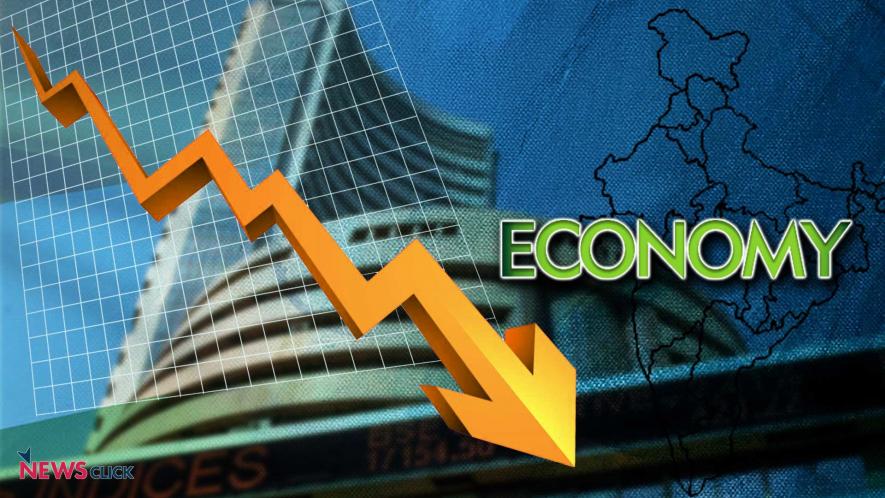
The timing is significant as Pakistan’s foreign exchange reserves remain under strain due to heavy repayment obligations and a difficult global environment. The situation has been worsened by the United Arab Emirates’ decision not to renew a $3.5 billion deposit and the repayment of a $1.4 billion Eurobond. Rising global oil prices, driven by geopolitical tensions, have further increased import costs and pressure on the external account.
Saudi Arabia’s support helps stabilize reserves in line with IMF programme requirements, eases pressure on the rupee, and restores confidence among investors and rating agencies. Such inflows play an important psychological role in preventing market panic in an economy sensitive to external signals.
However, this assistance also reflects a recurring pattern in Pakistan’s economic management, where short-term financing is used to bridge persistent external deficits. The core issue remains weak export performance and heavy dependence on imports, particularly in energy and industrial inputs. This structural imbalance ensures continued reliance on external borrowing and friendly-country deposits.
While such support prevents immediate crises, it also reduces urgency for deep reforms in taxation, exports, energy efficiency, and industrial productivity. Over time, this creates dependency, where external inflows substitute for internal economic strengthening rather than complementing it.
Despite these concerns, Saudi Arabia’s intervention remains crucial in the current environment, providing Pakistan with vital breathing space to meet obligations and maintain stability. The long-term challenge, however, lies in transforming this temporary relief into sustainable resilience through structural economic reforms and stronger export-led growth.