
Editorial
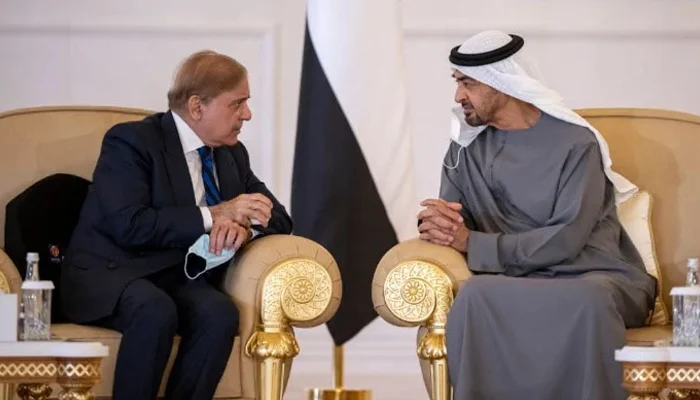
Pakistan has done something remarkable. In a single week, it repaid $3.45 billion to the UAE, cleared a $1.43 billion Eurobond, and signalled to the world that it can honour its obligations. The State Bank’s announcement is not merely a financial headline. It is a statement of national intent. But intent without structural transformation is a gesture, not a strategy.
The repayment matters for reasons beyond balance sheets. For decades, Pakistan survived on rollovers — borrowing fresh to pay old, rescheduling what it could not retire, and thanking creditors for the privilege of continued dependency. The UAE alone rolled over its deposits annually. That cycle has now been broken, at least momentarily. Foreign exchange reserves stand at $15.10 billion and the government is targeting $18 billion by June under the IMF programme. These are credible numbers. They deserve acknowledgement.
Yet the harder question remains unanswered. Where does the money come from next time? Pakistan cannot repay one creditor and immediately queue up for another without addressing why it keeps returning to the same queue. The answer lies not in diplomacy but in domestic economic reform. Industry must be built. Agriculture must be modernised. The tax net must reach the powerful, not merely the salaried. A country that collects less than ten percent of GDP in taxes while its elite sits on vast untaxed wealth is not running an economy — it is running a patronage system dressed in national colours.
Good governance is the foundation beneath all of this. Debt repayment without institutional reform is a treadmill, not a road. Pakistan must now use this moment of credibility to restructure its civil service, enforce accountability, and invest in productive capacity. The bill has been paid. The real work begins now.