
Editorial
Pakistan’s recent experience with global energy price fluctuations once again underscores the country’s structural vulnerability to external economic shocks. The recent decline in international crude oil prices, triggered by easing geopolitical tensions and the reopening of key maritime routes, has provided temporary fiscal breathing space. However, this relief remains conditional, fragile, and heavily dependent on developments far beyond Pakistan’s control.
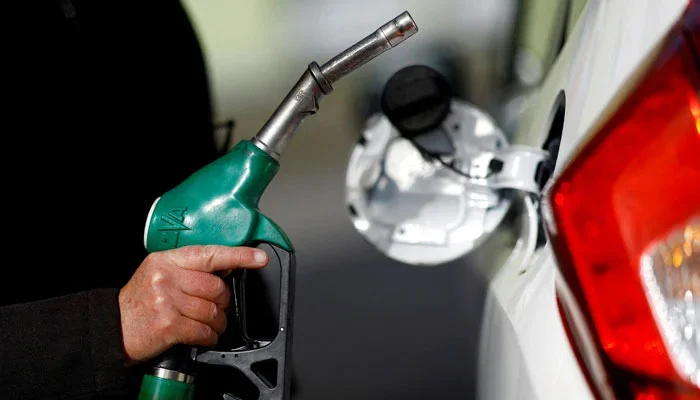
The reduction in diesel prices announced by the government reflects this immediate pass-through effect of global market movements. For households and transporters already strained by inflationary pressures, such adjustments offer short-term comfort. Yet, they also highlight a recurring pattern in Pakistan’s economic cycle: domestic stability is frequently reactive rather than strategic, shaped by global price shifts instead of internal resilience.
Energy imports constitute a significant portion of Pakistan’s trade bill. As a result, fluctuations in international oil markets directly influence inflation, fiscal balances, and transport costs. While lower crude prices temporarily ease pressure on subsidies and current account deficits, they do not resolve underlying inefficiencies such as limited energy diversification, high transmission losses, and a narrow export base.
The broader concern is sustainability. Pakistan’s economy continues to oscillate between moments of relief and renewed strain, often without structural reform in between. Temporary gains from external factors—such as falling oil prices—are frequently absorbed into consumption rather than reinvestment. This limits the long-term developmental impact of such windfalls.
Moreover, reliance on external geopolitical stability for domestic economic comfort is inherently precarious. Any renewed escalation in global tensions could quickly reverse current gains, pushing fuel prices and inflation upward again. This volatility underscores the urgent need for a more insulated and resilient energy strategy.
Policy direction must therefore move beyond short-term price adjustments. Investment in renewable energy, improved energy efficiency, and diversification of import sources should be treated as central pillars of economic planning. Equally important is strengthening fiscal discipline so that temporary relief is not offset by structural imbalances.
In conclusion, while falling oil prices and corresponding domestic reductions offer welcome relief, they should not be mistaken for economic stability. For Pakistan, the real challenge lies in transforming episodic comfort into sustained resilience. Without structural reform, each cycle of global fluctuation will continue to expose the same underlying weaknesses, leaving the economy reactive rather than robust.