
US President Donald Trump has claimed that a major peace agreement with Iran could be approved as early as Friday, saying Tehran may accept sweeping American demands aimed at ending the escalating regional conflict and restoring stability to global energy markets.
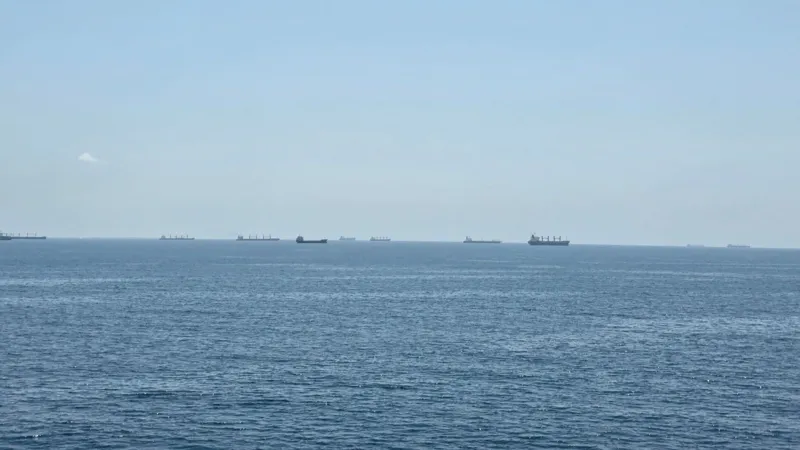
Speaking after a lengthy meeting with senior advisers in the White House Situation Room, Trump said the proposed agreement would require Iran to permanently abandon any nuclear weapons ambitions, open the Strait of Hormuz to international shipping without tolls, remove mines from the waterway, and allow the United States to destroy highly enriched uranium stored at secure Iranian nuclear facilities.
Trump also suggested the United States could lift its naval blockade against Iran if the agreement is finalized. However, American officials later indicated that no final decision had yet been taken, while Iranian leaders quickly rejected claims that a complete agreement had been reached.
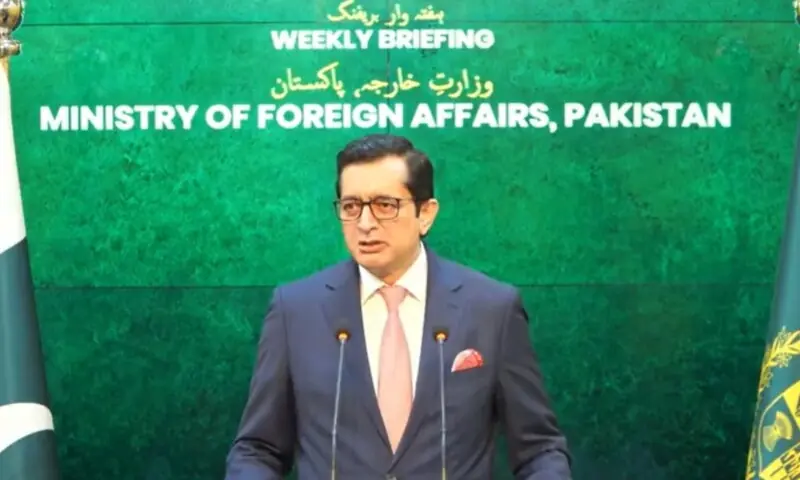
Iranian officials described Trump’s announcement as premature and politically motivated. Foreign Ministry spokesperson Esmaeil Baqaei confirmed that indirect exchanges between Tehran and Washington were continuing but stressed that no final understanding existed. Iranian media outlets also denied reports that Tehran had agreed to surrender enriched uranium stockpiles or waive control over the Strait of Hormuz.
The conflicting statements highlighted the deep mistrust between the two sides despite ongoing diplomatic efforts. Iran’s senior negotiators maintained a defiant tone, insisting that Tehran would not compromise on its sovereignty or strategic interests.
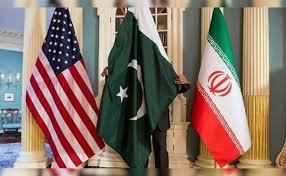
Pakistan has continued playing an important mediating role in the negotiations. Iranian President Mahmoud Pezeshkian praised Pakistani diplomatic efforts during a telephone conversation with Prime Minister Shehbaz Sharif, raising hopes that further talks could still prevent another dangerous escalation in the Middle East.