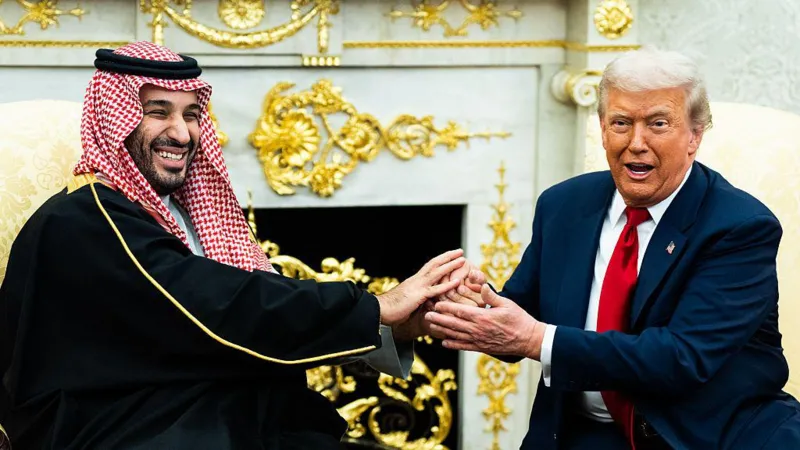

The United States and Saudi Arabia have signed a landmark agreement that will allow the kingdom to develop a civilian nuclear program, described by the US Department of Energy as a “peaceful nuclear cooperation agreement” that grants “great access for American companies in the Saudi nuclear energy program.”
The text of the deal has not been made public, but US media reports suggest it could allow Saudi Arabia to enrich uranium in the future, a capability that can fuel power plants but can also be used to build nuclear weapons. Experts say this would mark a first for the United States and could raise the risk of nuclear proliferation in an already volatile region.
Alongside the co-operation agreement, the Energy Department said a bilateral safeguards agreement had also been signed, stating that together the two documents “lay the legal foundation for a decades-long, multi-billion-dollar partnership that advances several priority economic and strategic objectives, including nuclear nonproliferation.” Saudi Arabia’s government characterized the deal as an extension of existing energy cooperation between the two countries, coming months after Crown Prince Mohammed bin Salman’s visit to Washington last November.
Notably, President Trump has reportedly not required the Saudi crown prince to extend diplomatic recognition to Israel as a condition of the deal, a longstanding US demand that appears to have been quietly dropped.
A Deal Shaped by the Iran Conflict
The nuclear question sits at the center of the prolonged US-Israeli conflict with Iran, with both nations citing the prevention of an Iranian nuclear weapon as a justification for their February strikes on Tehran, something Iran denies ever pursuing. Saudi Arabia’s own position on the matter has long been conditional: Crown Prince Mohammed bin Salman told CBS News in 2018 that the kingdom had no plans to acquire a nuclear weapon, but that it would “follow suit as soon as possible” if Iran ever built one.
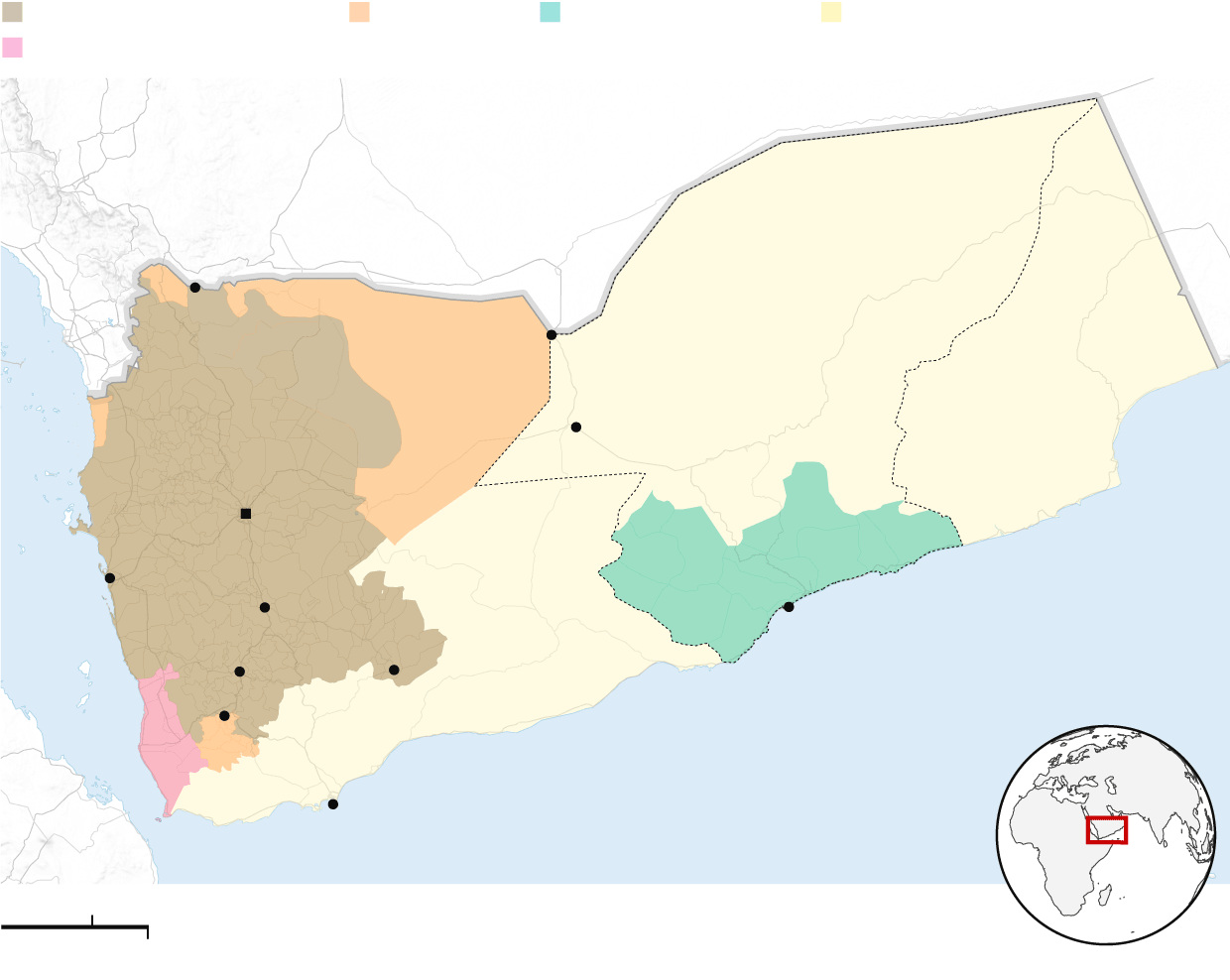
Wednesday’s announcement landed amid escalating fighting between the US and Iran. Saudi Arabia, a longtime American ally, hosts several US bases that have already come under Iranian attack, and the deal was unveiled just two days after Iran’s Houthi allies in Yemen announced a maritime blockade against the kingdom.
The Enrichment Question
While specifics remain undisclosed, earlier reporting suggested that following a joint study with Washington, Saudi Arabia may be permitted to enrich uranium domestically at a US-built facility rather than relying on imported fuel, a arrangement that could be worth billions to American companies. US Energy Secretary Chris Wright said the agreements “uphold the highest standards of nuclear safety and nonproliferation, while relying on the world’s best nuclear technology and scientists,” and the department framed the deal as strengthening both US and regional security along with America’s competitive edge in civil nuclear technology.
Nuclear experts and former Israeli officials have expressed concern that the arrangement could eventually pave the way for Saudi Arabia to develop nuclear weapons, though others argue that path would likely take decades and provoke international pushback. Israeli Economy Minister Nian arrangementr Barkat said his country “can manage it” if Saudi nuclear power remains peaceful; Israel itself is widely believed to possess nuclear weapons, though it neither confirms nor denies this.
Rosemary Kelanic, director of the Middle East program at the Defense Priorities think tank, called the prospect of the US enabling Saudi enrichment “quite shocking,” noting that Washington has never before helped another country enrich uranium on its own soil, precisely because domestic enrichment capability significantly raises the risk of eventual weapons development.
Headed to Congress
The agreement will now go before the US Congress for review. Some lawmakers from both parties are expected to oppose it, though Republican control of both chambers makes it unlikely opponents can muster the votes to block it. Secretary of State Marco Rubio dismissed proliferation concerns, telling reporters the US “is not going to reach any agreement with any country in the world that leads to the risk of proliferation,” a statement Democratic critics contrasted with Rubio’s past support, as senator, for legislation requiring congressional approval of any such deal.
Massachusetts Senator Edward Markey was among the sharpest critics, accusing Rubio and Trump of “allowing Saudi Arabia, a belligerent and authoritarian nation, to develop nuclear weapons technologies while starting a war with Iran under the guise of preventing an Iranian nuclear bomb.”
If an enrichment provision is confirmed, it would set this agreement apart from the 2009 US deal with the UAE, under which Abu Dhabi does not produce its own fuel and accepts a range of additional restrictions, a distinction likely to draw scrutiny from nuclear non-proliferation advocates.
Not all experts view the arrangement as alarming. Bob McNally, a former member of the US National Security Council under President George W. Bush, told the BBC that the US has “a good record of working with countries to responsibly develop their nuclear sectors.”
Why Now
Saudi Arabia has sought such a deal for years, with Washington previously conditioning it on Saudi recognition of Israel, a demand that now appears to have been abandoned. Trump has worked throughout his time in office to deepen ties with Riyadh, and one possible catalyst for the deal’s timing is reported Saudi discussions with Russia and China over a similar arrangement, a competitive pressure Washington may not have wanted to concede to.
The agreement represents a significant win for Saudi Arabia and carries the potential to reshape the balance of power in the Middle East, though any such shift is unlikely to unfold in the near term