
The 2026 Annual Meetings of the International Monetary Fund (IMF) and the World Bank Group, held in Bangkok, Thailand, from October 12 to 18, brought together finance ministers, central bank governors, policymakers, investors and economic experts to address mounting challenges to the global economy.
Against a backdrop of sluggish economic growth, rising sovereign debt, geopolitical tensions, energy-price volatility and the rapid emergence of artificial intelligence (AI), the meetings highlighted the growing complexity of the global economic outlook. The ongoing US-Iran conflict and instability in the Middle East further heightened concerns about energy security, trade disruptions and inflationary pressures.
For Pakistan, the meetings provided an opportunity to project its economic reform agenda, highlight recent macroeconomic stabilisation efforts, explore alternative financing options and strengthen engagement with international financial institutions. Islamabad also secured prominent institutional responsibilities, positioning itself to participate more actively in global economic and development discussions.
Here are the five key takeaways from the 2026 annual meetings.
1. Pakistan Secures Key Leadership Roles in Global Financial Institutions
Pakistan’s participation was marked by two significant institutional developments. The country was nominated to chair the Boards of Governors of the IMF and the World Bank Group in 2027, marking its return to the position for the first time since 1953.
The chairmanship offers Pakistan an opportunity to contribute to global economic and development deliberations, facilitate dialogue among member countries and engage with policy priorities at a critical juncture for the multilateral financial system.
The Boards of Governors are the highest decision-making bodies of the IMF and the World Bank Group, representing member countries and determining the broad strategic direction of the institutions.
Separately, Finance Minister Muhammad Aurangzeb assumed the chairmanship of the Governing Council of the Borrowers’ Platform on Pakistan’s behalf. The platform provides developing countries with a forum to coordinate positions, exchange policy experiences and address shared sovereign debt challenges.
Pakistan’s priorities include improving debt management, sharing reform experiences and exploring innovative development-financing instruments. These responsibilities could provide Islamabad with additional opportunities to advocate for the financing needs of developing economies.
2. Pakistan Presents Its Reform Agenda to Global Investors
Led by Finance Minister Muhammad Aurangzeb, Pakistan’s economic team held meetings with investors and representatives of major international financial institutions, including the IMF, World Bank Group, Asian Infrastructure Investment Bank (AIIB), JPMorgan, Citigroup, Islamic Development Bank, Moody’s and Fitch Ratings.
The engagements focused on presenting Pakistan’s macroeconomic reform agenda, communicating the progress made towards stabilisation and exploring opportunities to diversify financing sources.
For Pakistan, the challenge extends beyond demonstrating improvements in macroeconomic indicators. Sustaining investor confidence will depend on the implementation of structural reforms, fiscal discipline, improved economic competitiveness and the ability to translate stabilisation into durable, inclusive growth.
The meetings therefore served as a platform to strengthen international engagement while advancing discussions on financing and development priorities.
3. Pakistan Explores $1.5 Billion Financing Arrangement
Pakistan also discussed a potential financing arrangement of approximately $1.5 billion involving World Bank guarantees and coverage from the Multilateral Investment Guarantee Agency (MIGA).
The proposal remains subject to the available guarantee envelope, the final transaction structure and the necessary approvals.
If finalised, the arrangement could help Pakistan mobilise financing by leveraging multilateral risk-mitigation instruments. Such mechanisms can support access to capital and potentially improve financing terms, depending on the structure and conditions of the transaction.
However, the discussions should not be interpreted as a concluded financing agreement. Their eventual impact will depend on the terms secured, the intended use of the funds and the extent to which the financing supports Pakistan’s broader economic and development objectives.
4. AI Emerges as Both an Economic Opportunity and a Policy Challenge
Artificial intelligence featured prominently in discussions about the future of global growth, productivity and economic transformation.
IMF Managing Director Kristalina Georgieva highlighted the resilience of the global economy and the promise of AI, while also drawing attention to persistent concerns surrounding inflation, high debt levels, geopolitical conflicts and climate risks.
Anthropic co-founder Jack Clark pointed to the potential for rapidly improving AI capabilities to accelerate change across industries, potentially reshaping economic activity and driving the emergence of new industries and inventions.
For policymakers, the challenge is to harness AI’s productivity-enhancing potential while managing its implications for employment, skills, competition and economic inequality.
For developing economies such as Pakistan, this raises important questions about digital infrastructure, human capital, technology adoption and regulatory preparedness. Capturing the benefits of AI will require investments in skills and innovation alongside policies that support responsible adoption and broader access to its economic gains.
5. Global Economic Risks Continue to Threaten Growth and Financial Stability
Persistent geopolitical tensions, rising sovereign debt, higher borrowing costs and energy-market disruptions remained central concerns throughout the meetings.
The IMF warned that these risks could weigh on global growth and financial stability, while member countries called for greater support for economies facing short-term financing pressures arising from conflict-related spillovers and elevated energy prices.
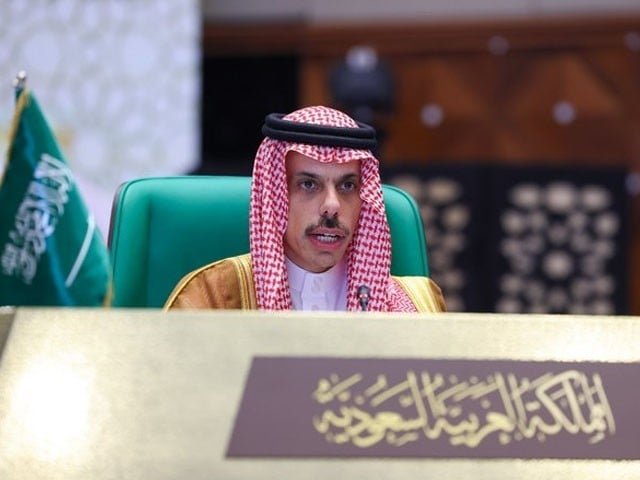
In a statement issued by International Monetary and Financial Committee Chair Mohammed Al-Jadaan, the committee warned that escalating conflicts and trade tensions could disrupt critical trade routes, intensify commodity-price pressures and undermine energy and food security.
These risks are particularly consequential for import-dependent economies, where higher energy prices can increase inflation, widen external financing requirements and place additional pressure on public finances.
For Pakistan, sustained geopolitical instability could complicate efforts to preserve macroeconomic stability and reinforce the importance of prudent fiscal management, external-sector resilience, energy-sector reforms and diversified sources of economic growth.
Policy Implications for Pakistan
The 2026 annual meetings underscored the importance of international cooperation at a time when geopolitical uncertainty, debt vulnerabilities and technological change are reshaping the global economic landscape.
Pakistan’s institutional appointments, investor engagements and financing discussions offer opportunities to strengthen its role in multilateral economic forums and advance its development priorities. However, the longer-term benefits will depend on translating diplomatic engagement and macroeconomic stabilisation into sustained reform implementation, productive investment and stronger economic fundamentals.
Three priorities stand out: consolidating macroeconomic stability, improving access to sustainable development financing and building the institutional and human-capital foundations needed to benefit from emerging technologies such as AI.
Ultimately, Pakistan’s challenge is to convert its renewed engagement with international financial institutions into measurable economic gains, greater resilience to external shocks and more inclusive, sustainable growth.