
Mass Protests of Gen Z are hardly successful in achieving their objectives.
Genz is a different generation. Its protests are not traditional protests either. They are charged quickly by one tweeter’s trend or Facebook’s post. Then after a couple of days, situations turn normal with hardly any real change on the ground.
Why do Gen Z protest vibrantly but fail to achieve anything concrete?
Because there are flaws in their protest strategy:
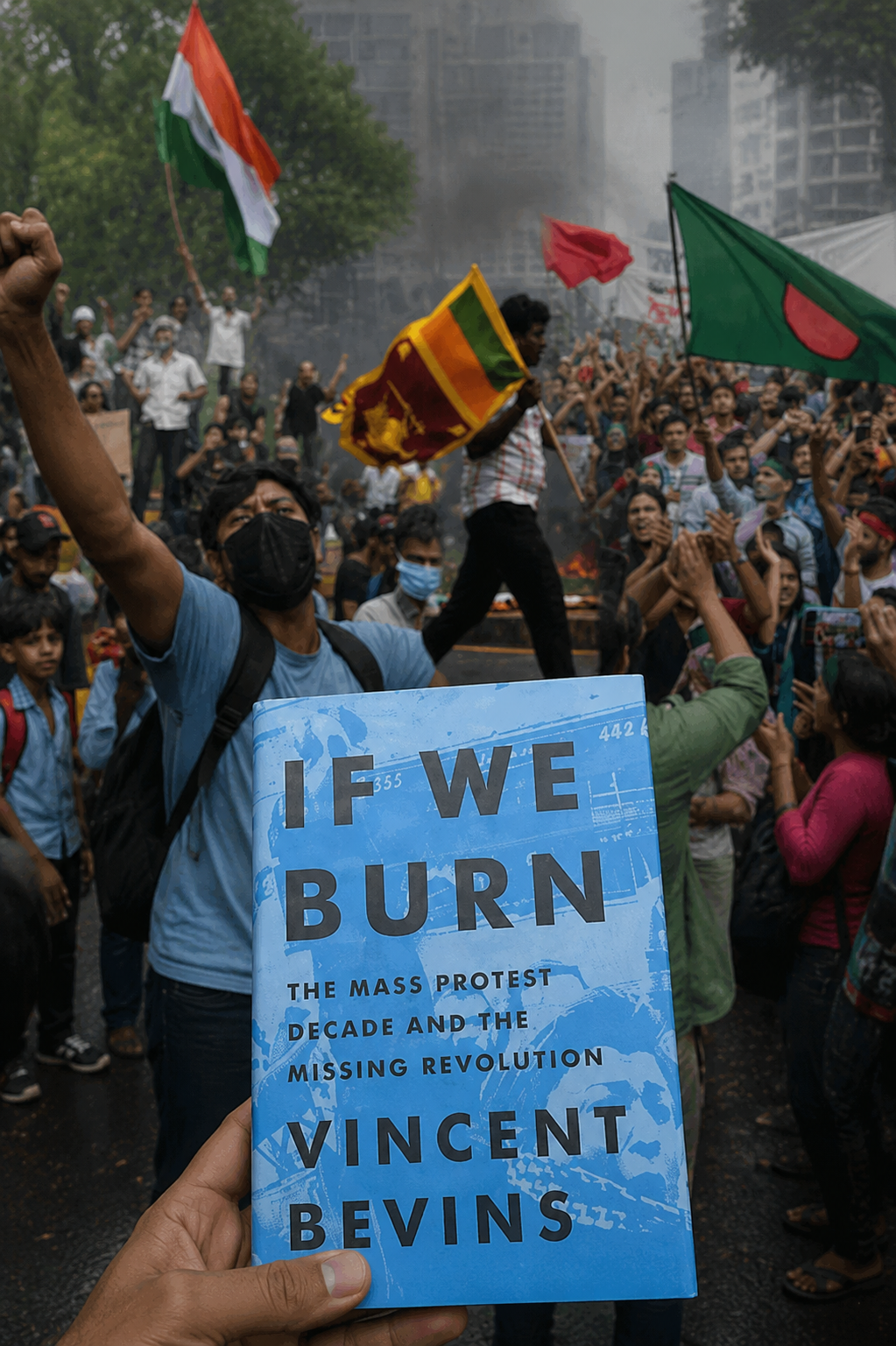
First, there are not clear objectives. From protests in Nepal to youth uprisings in Bangladesh to the ongoing protest of the Indian youth, there’s hardly any concrete objective in the mass movement. If something exists, like exam allegations in the Indian movement, clear and concrete objectives to be achieved are still missing. Actually, there are personal hatred sentiments that drive this movement, instead of any institutional energy. Brazilian Journalist Vincent Bevin, in his book Missing Revolutions, writes, “A protest is not yet a movement, a movement is not yet a revolution, and the collapse of an existing arrangement does not determine what will replace it.”
Second, the role of leadership is ambiguous in these mass movements. It’s always hidden who is leading the movement. There are merely social media algorithms, which feed people spicy content and lead the movement. Vincent Bevin notes, “The movements of the previous decade often embraced leaderlessness, spontaneity, and horizontal organization.” These qualities made rapid mobilization possible, but they also created ambiguity. Who could negotiate? Who could define victory? Who could speak to the media? Who could prevent better-funded political actors from appropriating the movement’s language and energy?
Third, Genz knows only modern strategies of protests. But they hardly know the alternative to the existing system. The history of mass protest decades shows that, as has been proved, after the situation turns normal, people from the same existing system occupy the same status quo arrangements. Vincent notes, “A crowd can create a political opening. It cannot, by its mere size or moral force, control the outcome.”
In this leaderless, structureless, and objective-less movement, foreign interventions play a negative role to destabilize the country. Vincent notes, “representation cannot simply be wished away. Where movements refuse to represent themselves through accountable structures, someone else will represent them: political parties, television channels, governments, foreign media, algorithms, or opportunists.”
This is what makes the developments in India so important. Dr. Shahzeb Khan notes, “The movement has identifiable demands and recognizable organizers, but its rapid expansion has already attracted competing interpretations and institutional actors. Police repression may broaden sympathy, yet the spectacle of confrontation can also displace the original question of educational justice. Opposition support may give the movement parliamentary reach, but it also raises the question of whether political parties will represent the movement or gradually redefine it.”
Before coming out on the streets, Gen Z must find answers for the following:
Can indignation become an organization?
Can demands become policy?
Can leadership remain accountable?
Can the movement preserve its purpose while negotiating with institutions?
And can it build something durable before the moment of national attention passes?