
Masood Khan
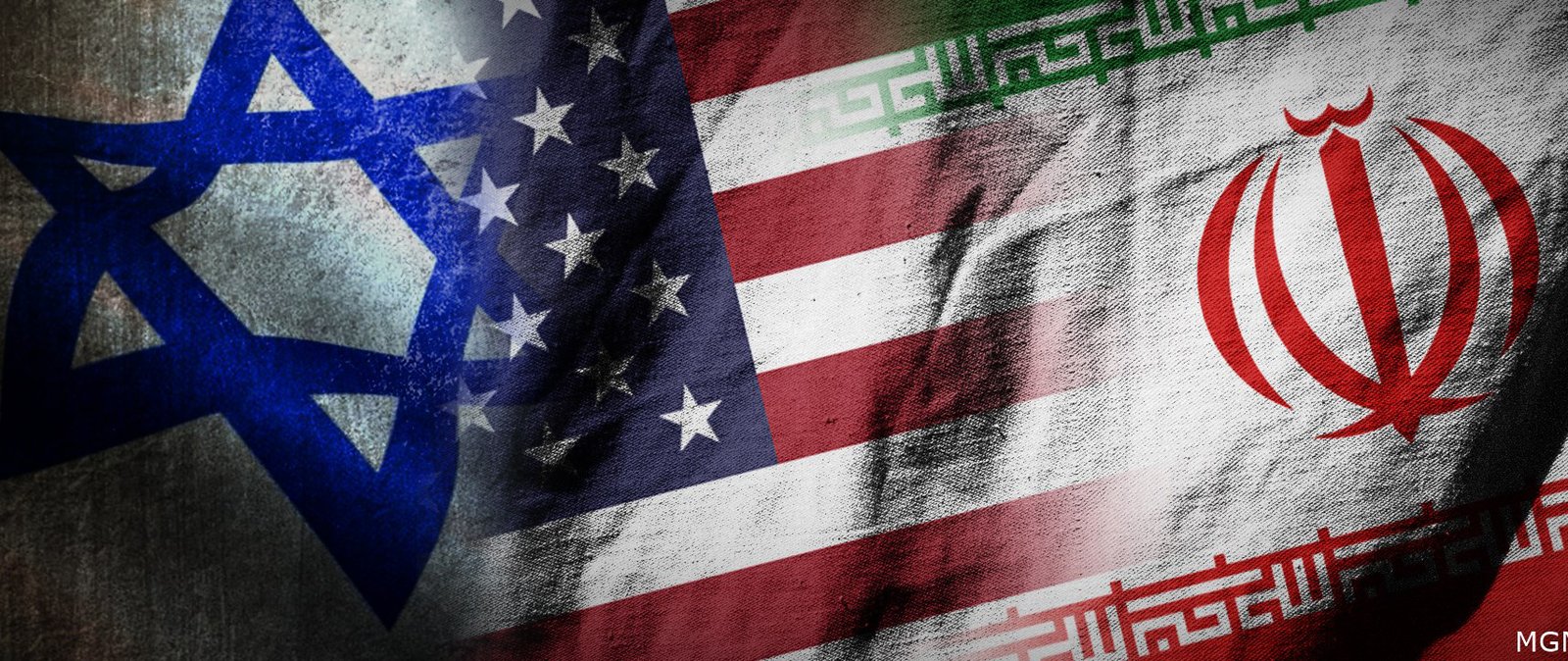
The Middle East has once again reached a dangerous crossroads where every military action risks triggering a wider regional conflict. History repeatedly demonstrates that wars rarely remain confined to the objectives of those who initiate them. Once violence begins, it develops its own momentum, drawing neighbouring states, non-state actors, global powers, and economic interests into an expanding cycle of confrontation. The latest escalation following the United States’ decision to resume military operations against Iran after stepping away from the ceasefire framework established under the Islamabad Memorandum of Understanding has once again exposed this harsh reality. What initially appeared to be a limited military decision is now producing consequences that extend far beyond Washington and Tehran.
The recent announcement by Yemen’s Houthi movement regarding a maritime blockade targeting Saudi-linked commercial shipping through the Bab al-Mandeb Strait illustrates how quickly regional tensions can spill into critical international waterways. The Red Sea is one of the world’s busiest shipping corridors, connecting Europe, Asia, and Africa through the Suez Canal. Any disruption to maritime traffic immediately affects international trade, energy supplies, insurance costs, and freight charges. Commercial shipping companies have already begun reviewing their routes, while naval coalitions are increasing their military presence to protect merchant vessels. Every additional military deployment increases the possibility of accidental confrontation, creating new flashpoints in an already unstable region.
These developments demonstrate why ceasefires are often more valuable than they initially appear. The Islamabad Memorandum of Understanding was never portrayed as a comprehensive political settlement capable of resolving decades of mistrust between the United States and Iran. It was designed as an emergency diplomatic mechanism to halt immediate hostilities, reduce civilian suffering, and create political space for negotiations. While critics pointed to its limitations, the agreement succeeded in achieving its principal objective: it stopped the fighting. That temporary pause offered diplomats an opportunity to address broader political disputes through dialogue instead of military confrontation.
Unfortunately, abandoning that framework has reopened every unresolved issue that the ceasefire had temporarily contained. Military operations may achieve tactical objectives, but they rarely resolve strategic disagreements. Instead, they encourage retaliation, strengthen hardline political factions, and reduce the willingness of opposing parties to compromise. Every missile strike narrows the diplomatic space available for negotiations while increasing public pressure for further escalation.
The growing involvement of regional actors makes the current situation particularly alarming. Saudi Arabia now faces increasing security concerns despite efforts to avoid direct involvement in renewed hostilities between Washington and Tehran. The Houthi blockade places additional pressure on Riyadh while threatening international shipping through one of the world’s most important maritime gateways. Other regional governments may soon find themselves forced to respond to developments they neither initiated nor desired. Modern conflicts seldom remain bilateral. Once multiple actors become involved, the risks of misunderstanding, miscalculation, and unintended escalation increase dramatically.
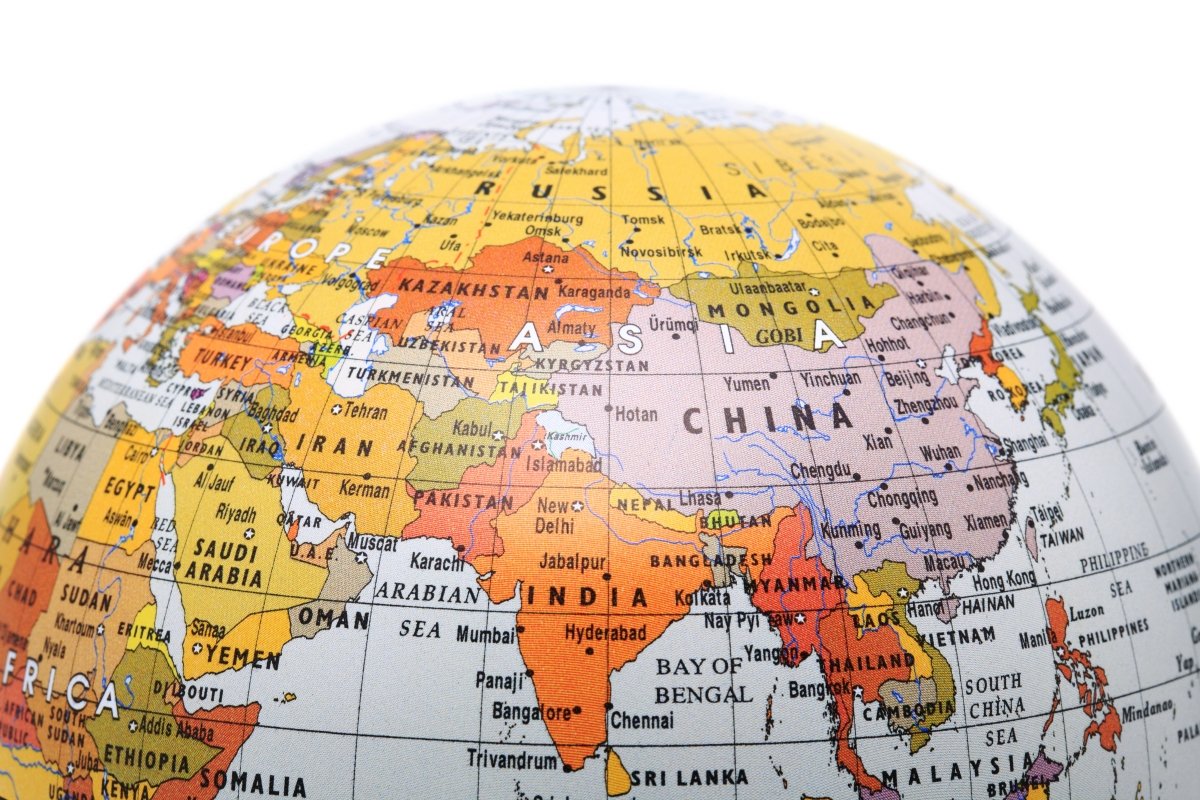
For Pakistan, these developments present a particularly complex diplomatic challenge. Islamabad has maintained close strategic, economic, and defence cooperation with Saudi Arabia for decades. Millions of Pakistani workers contribute to the Saudi economy while their remittances remain vital for Pakistan’s financial stability. At the same time, Pakistan shares a long border with Iran and has consistently pursued constructive diplomatic engagement with Tehran. Maintaining positive relations with both countries has long been an important pillar of Pakistan’s foreign policy.
This balanced approach now places Pakistan in a unique diplomatic position. Unlike many countries that are viewed as aligned with one side or the other, Pakistan retains channels of communication with all major stakeholders involved in the current crisis. Rather than becoming part of the confrontation, Islamabad has an opportunity to serve as a bridge for dialogue. The country’s previous role in facilitating discussions that contributed to the Islamabad Memorandum demonstrates that Pakistan possesses diplomatic credibility that should not be underestimated.
Successful diplomacy requires patience, neutrality, and sustained engagement. It also demands political courage from all parties involved. Military escalation often produces immediate political satisfaction but rarely delivers lasting peace. Negotiations, by contrast, may appear slow and frustrating, yet they remain the only durable method of resolving conflicts rooted in historical grievances, competing security interests, and regional rivalries. Every successful peace agreement in modern history has ultimately emerged through dialogue rather than battlefield victories.
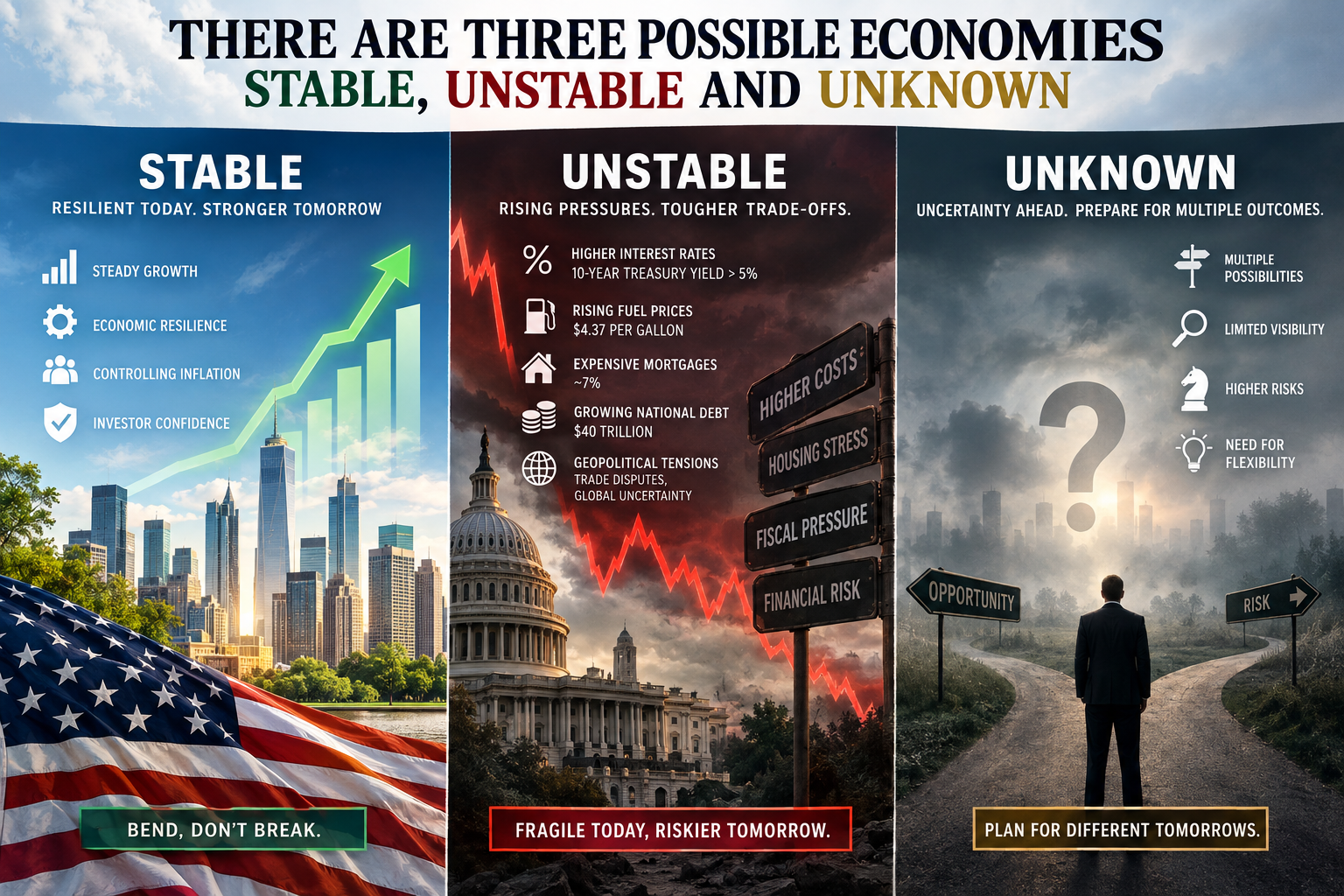
The economic consequences of continued conflict extend far beyond the Middle East. The Strait of Hormuz and the Bab al-Mandeb Strait together serve as vital arteries for global commerce and energy transportation. Any prolonged disruption affects oil prices, shipping costs, insurance premiums, and international supply chains. Rising transportation costs eventually translate into higher consumer prices across the world, worsening inflation at a time when many economies are already struggling with slow growth and heavy public debt.
Pakistan remains particularly vulnerable to such external shocks. The country relies heavily on imported energy while continuing efforts to stabilise its economy after years of fiscal and external account pressures. Higher international oil prices increase import bills, widen trade deficits, weaken exchange rate stability, and place additional pressure on inflation. Ordinary citizens ultimately bear these costs through higher electricity prices, more expensive transportation, and increased prices for essential goods. A conflict that begins thousands of kilometres away can therefore have direct consequences for Pakistani households.
Beyond economics lies an even greater humanitarian concern. Every renewed military campaign inevitably brings civilian casualties, displacement, destruction of infrastructure, and long-term social instability. Children lose access to education, healthcare systems collapse under pressure, and millions face uncertainty about their future. The suffering created by modern warfare cannot be measured solely through military statistics. It is reflected in broken families, displaced communities, interrupted livelihoods, and generations forced to live amid conflict instead of opportunity.
The international community therefore faces an urgent responsibility. Rather than encouraging further military escalation, major powers should focus on restoring diplomatic engagement. Regional organisations, middle powers, and neutral states must work collectively to rebuild confidence among the parties involved. Confidence-building measures, humanitarian cooperation, prisoner exchanges, and sustained diplomatic dialogue can gradually create conditions necessary for broader political agreements. None of these initiatives can succeed while active military operations continue.
History consistently teaches that peace achieved through diplomacy is more durable than victories secured through force. Wars often begin with limited objectives but expand in unpredictable ways that no government can fully control. The Middle East has already paid an enormous price for decades of conflict. The world does not need another prolonged regional war stretching across new frontiers and strategic waterways. It needs courageous political leadership willing to replace confrontation with negotiation, restore confidence in diplomacy, and recognise that lasting security can never be built upon permanent military escalation. Only through renewed dialogue can the region avoid another chapter of unnecessary destruction and move toward a more stable and peaceful future.