
Prime Minister Benjamin Netanyahu has long treated his closeness to the United States, both political and personal, as proof of his own indispensability to Israel. Having spent much of his youth there and developed a fluent grasp of American politics, he is widely credited with charming successive presidents into sustaining unwavering support for Israel and, by extension, his own political career.
For a stretch, President Donald Trump seemed the most accommodating US leader Netanyahu had worked with, particularly after becoming the first American president to join Israel in a direct war against Iran. But with that war now stalling, Trump showing greater willingness to strike Middle East deals without Israeli input, and criticism of Israel mounting within the US, there is a growing sense in Israel that Netanyahu’s Trump card may not carry the weight it once did.
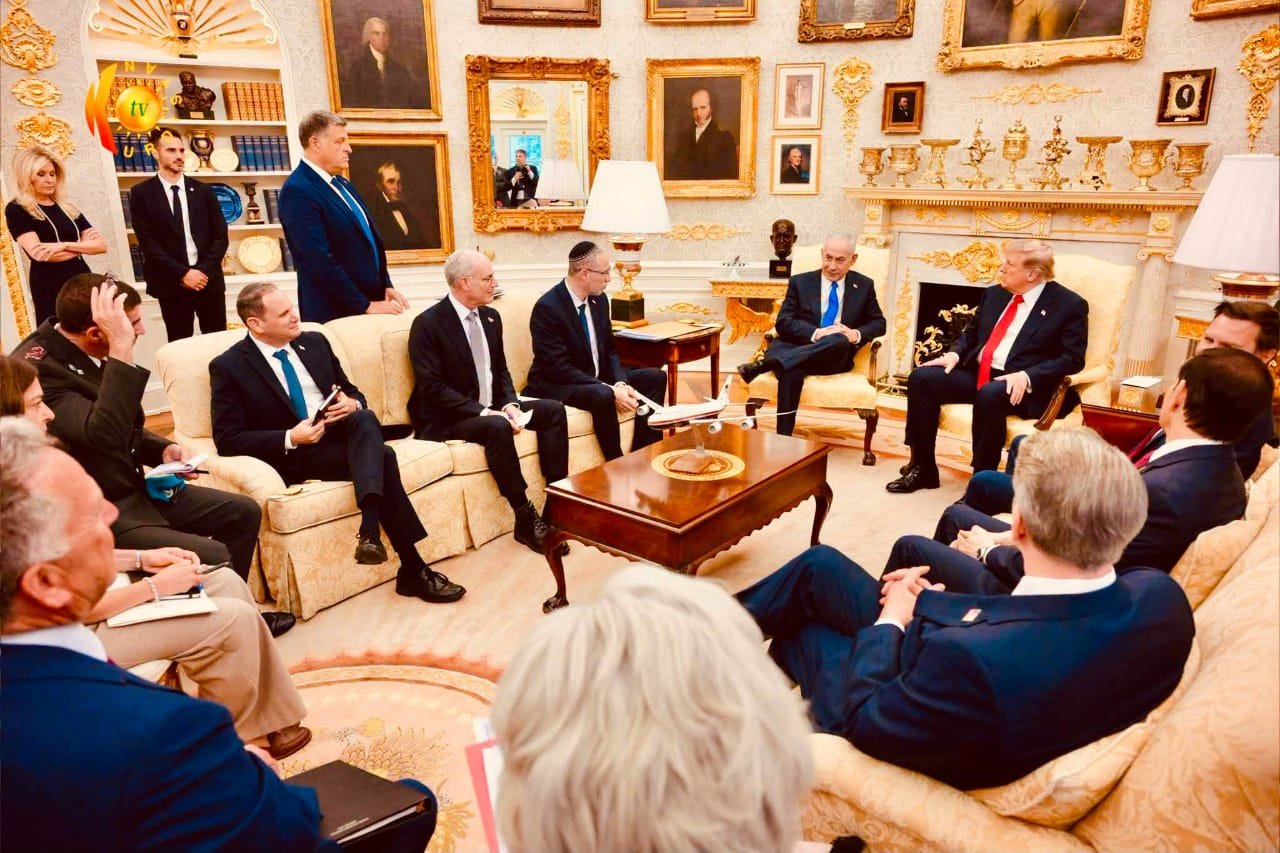
The timing is difficult for Netanyahu, who faces an election at home in late October, an ongoing corruption trial, and several unresolved regional conflicts. His visit to Washington on Tuesday, his first since the war on Iran began, offers a chance to reset the narrative and produce a photo opportunity reminding Israeli voters of his ties to the American president.
The Optics
Tensions between Netanyahu and Trump have been building since the war on Iran began, following reports that it was Netanyahu who persuaded Trump the mission was feasible and that the Iranian state could be toppled. Concern has also grown in the US Congress over Netanyahu’s apparent tolerance of Israel’s increasingly violent settler movement, including the extrajudicial detention of a US senator by settlers, alongside friction over Washington’s consideration of selling F-35 jets to Türkiye and its nuclear cooperation agreement with Saudi Arabia.
Alon Pinkas, a former Israeli ambassador and consul general in New York, told Al Jazeera that the visit’s real motive is cynical, framed publicly as attending the memorial of the late Republican Senator Lindsey Graham, with talks nominally covering Iran, F-35 sales, and Saudi Arabia’s nuclear deal. But Pinkas said the visit is really about two things: reassuring allies and critics in Israel that the relationship with Trump remains intact and hoping Trump might again call for a pardon in Netanyahu’s corruption trial, echoing Trump’s unusual intervention in November 2025.
Burnt Bridges
Even as Netanyahu hopes a strong meeting with Trump could boost his standing at home, he arrives in Washington with his political stock in the US arguably at its lowest point. He has drawn criticism from figures on the American right, including podcast host Tucker Carlson and former Republican Congresswoman Marjorie Taylor Greene. Vice President JD Vance has also criticized “some” Israelis, suggesting in an interview with podcaster Joe Rogan that figures within the Israeli government had tried to derail his efforts to broker an end to the war with Iran.
Analysts expect the Trump-Netanyahu meeting to mix public warmth with private wariness. Asked aboard Air Force One about Israeli objections to selling F-35s to Türkiye, Trump pushed back bluntly: “Nobody tells me what we should be selling.”
Ahron Bregman, a security analyst and senior teaching fellow at King’s College London’s Department of War Studies, said Netanyahu arrives in Washington at a moment when even people close to Trump view him with suspicion. “He has become toxic in the US,” Bregman said. “He is regarded in the US, rightly or wrongly, as the one who dragged Trump into a war of choice that has turned into a strategic catastrophe. Nobody, not even Trump, will let him pretend to be the cleverest guy in the room. Those days are gone.”
While few expect visible discord during the visit itself, Netanyahu’s ability to present himself as uniquely capable of managing Israel’s relationship with Washington, a central argument ahead of the election, may now be far more limited.
Mitchell Barak, an Israeli pollster and former Netanyahu aide in the 1990s, said Netanyahu’s track record with the US has been strong but increasingly strained and that criticism of him now extends well beyond the Republican Party’s nationalist wing into its traditional center-right base. “We’ve seen tension through Trump’s comments on the various F-35 sales, including most recently to Türkiye, as well as US criticism of Netanyahu at the start of the Iran war, so I’m not too sure if Trump’s going to be stumping for Netanyahu for all that much longer,” Barak said. He suggested it’s plausible that Trump praises Netanyahu as a wartime leader while signaling it is time for Israel to move on before meeting with other Israeli politicians and endorsing a new prime minister.