
Naeem Afzal
There is an interesting episode from the proceedings of the Rao Anwar case in the Sindh High Court. While acquitting the accused, the court observed that the investigating agencies had failed to conduct a thorough and sustainable investigation and therefore could not establish the charges through credible evidence. Since criminal law requires that any reasonable doubt be resolved in favor of the accused, the court acquitted the defendants due to insufficient evidence.
This reflects the nature of the British adversarial judicial system, which continues to operate in many post-colonial states today. In this system, a judge acts as a neutral arbiter while the prosecution and the defense present their cases. The judge’s role is confined to evaluating the evidence and arguments brought before the court; the judge cannot independently investigate facts or introduce new evidence.
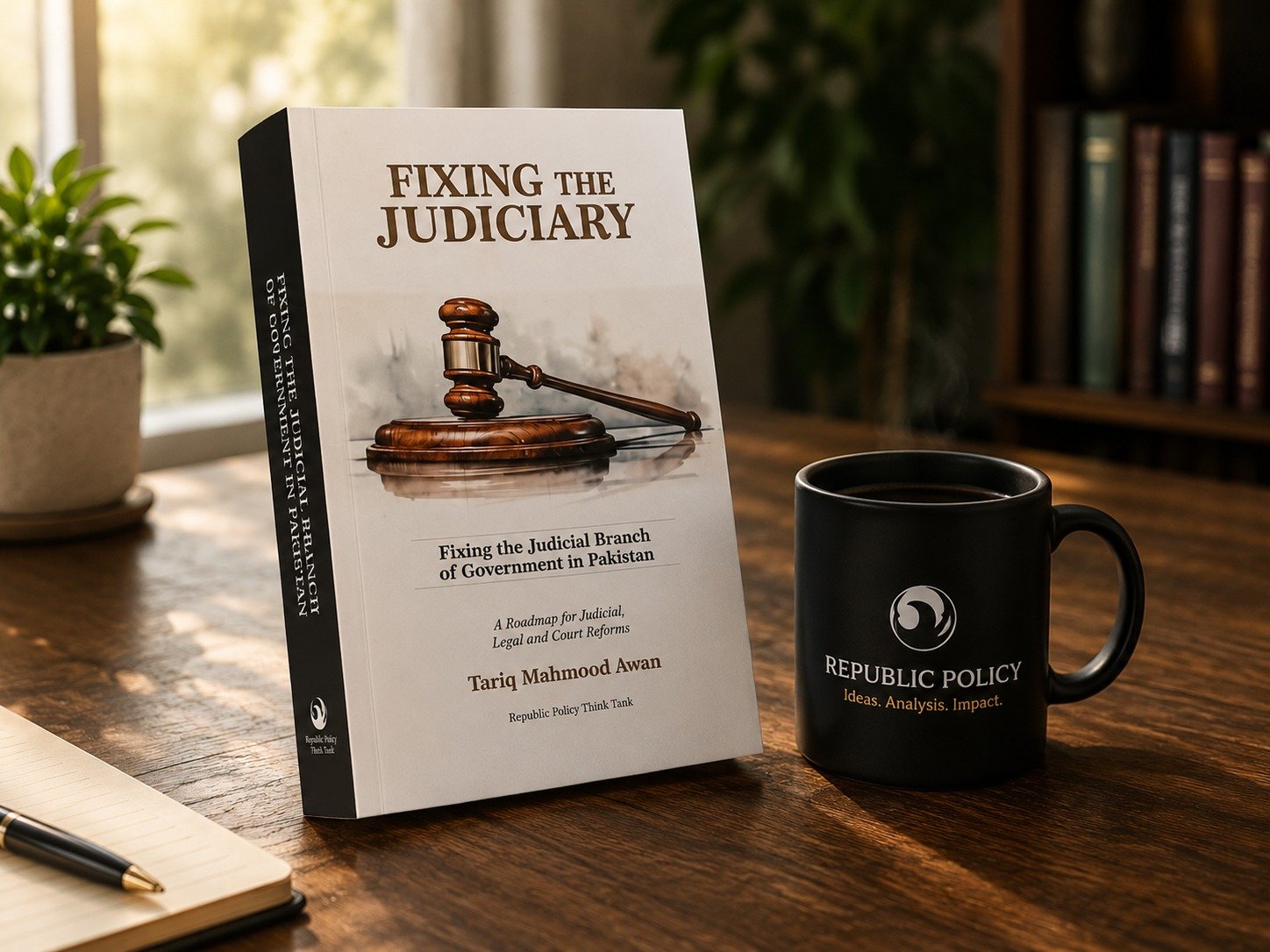
In his book, Tariq Mahmood Awan traces the historical evolution of Pakistan’s current judicial system and critically examines its foundations.
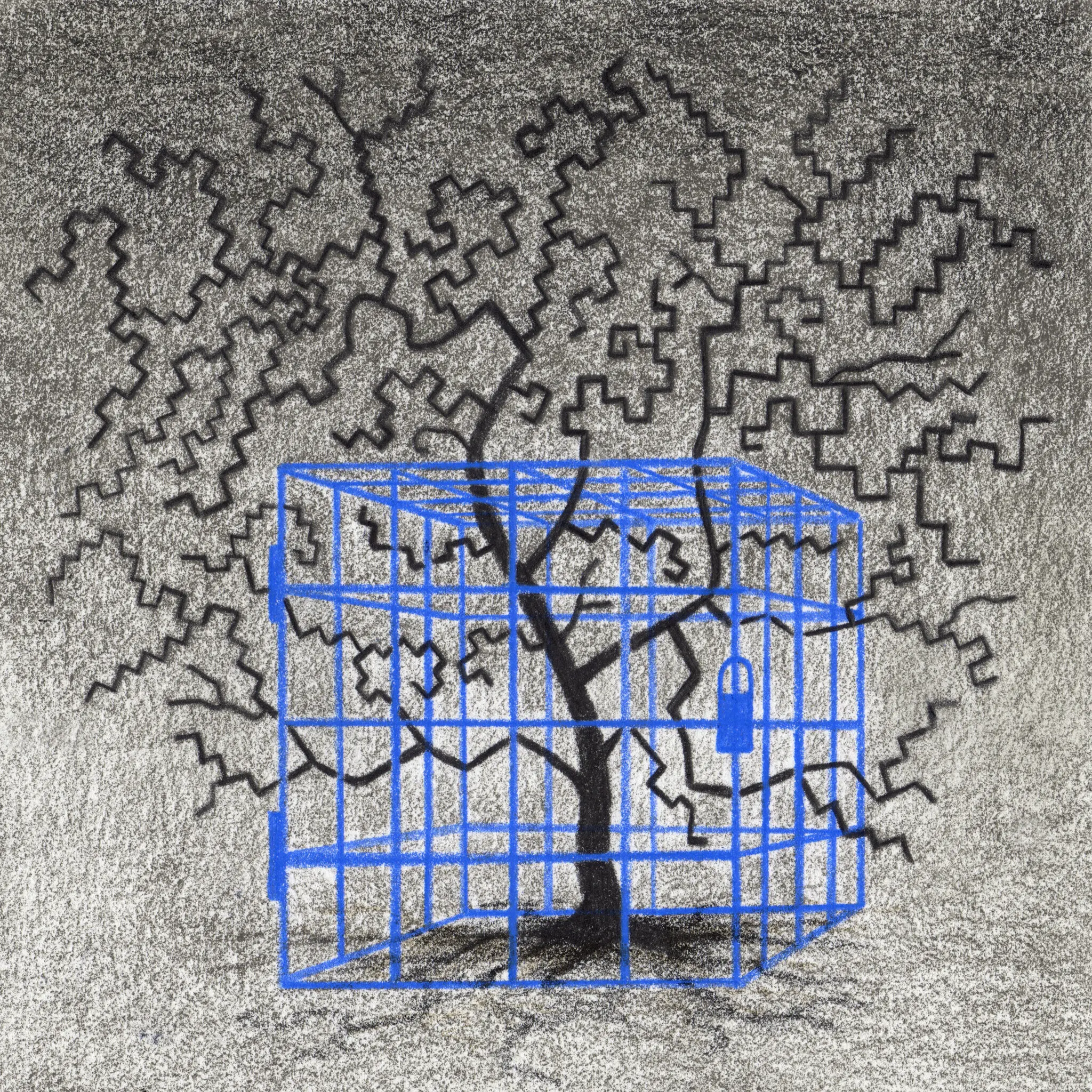
From my initial reading, I have reached the conclusion that the inherited colonial judicial model is ill-suited to a country where investigative institutions—such as the police and forensic science services—are still developing. In a society where false testimony, weak investigative capacity, and limited institutional trust remain persistent challenges, the effectiveness of the adversarial system is inevitably compromised.
A reformed system inspired by the traditional Qazi or Panchayat model, while incorporating modern legal safeguards and constitutional protections, may prove to be a more effective and contextually appropriate mechanism for dispute resolution.
I particularly recommend Chapter Two, titled “Alternative Dispute Resolution (ADR),” which provides valuable insights into resolving disputes outside the conventional court system. It is essential reading for every law student, legal practitioner, researcher, and anyone interested in judicial reform.
For home delivery, please contact us on WhatsApp: 0341-4222501.