
Editorial
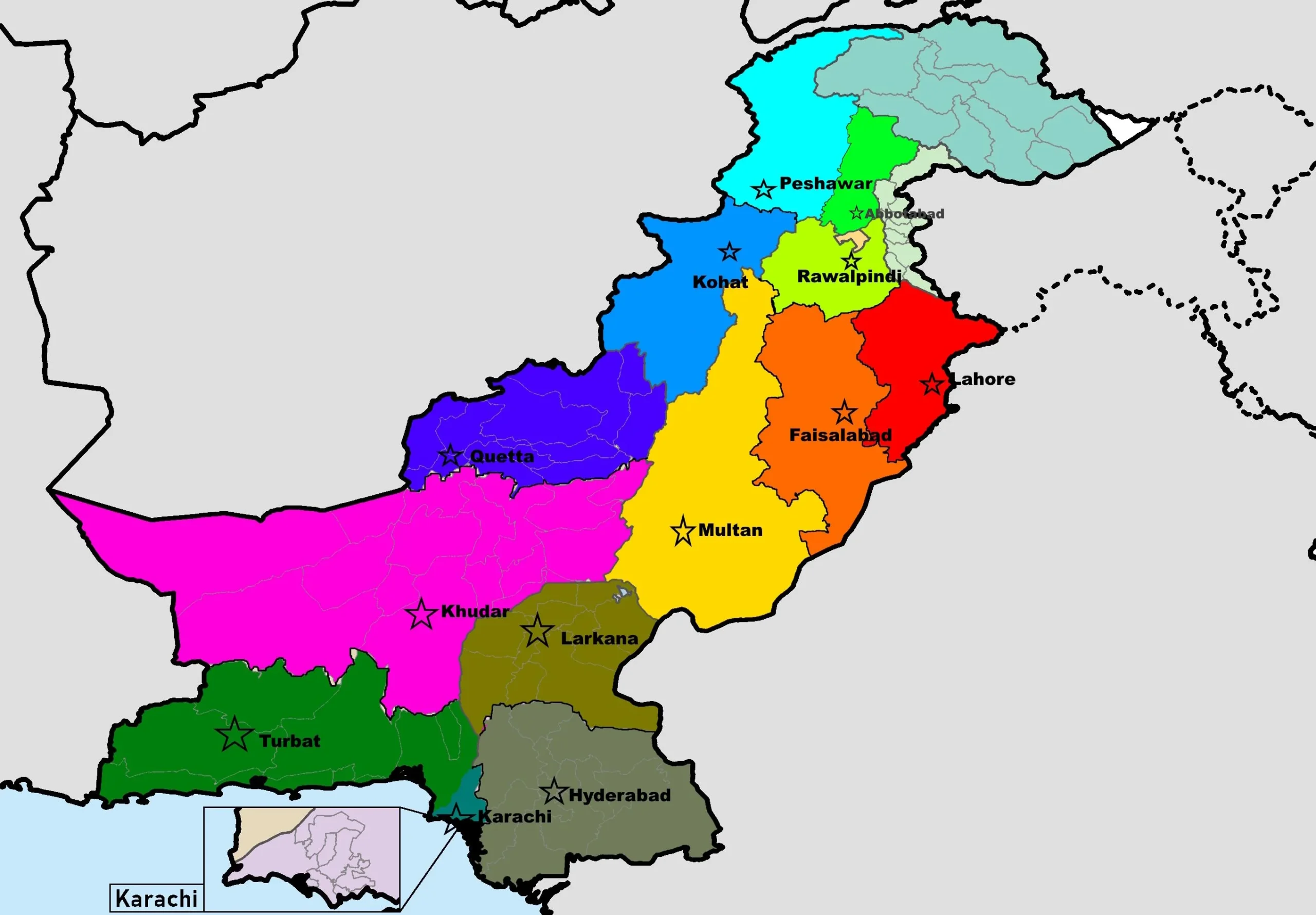
A common argument in Pakistan is that creating new provinces will automatically improve governance and accelerate national development. While appealing on the surface, this assumption overlooks a fundamental distinction between federalism and governance. Provinces exist to serve the constitutional structure of a federation, whereas local governments exist to deliver public services and improve administration. Confusing these two concepts has often led to misguided policy debates.
International experience offers valuable lessons. Several highly successful unitary states—including China, Indonesia, Japan, Bangladesh and the Philippines—have achieved remarkable economic growth and administrative efficiency without relying on federal provincial structures. Their progress has been driven by effective institutions, competent public administration, empowered local governments and consistent implementation of the rule of law. Their experience demonstrates that the quality of governance depends less on constitutional design than on institutional performance.
Pakistan, however, is a federal state, and its constitutional framework reflects that reality. The purpose of provinces in a federation is not simply to improve administration but to ensure equitable representation, constitutional balance and the fair distribution of powers among different regions. New provinces should therefore be considered only if they strengthen national cohesion, deepen federal harmony and create a more representative constitutional order. If provincial restructuring merely generates political disputes or weakens the federation, it cannot be regarded as a meaningful reform.
One of Pakistan’s enduring challenges is the mismatch between its constitutional framework and its governing culture. Although the Constitution establishes a federal system, governance has often been shaped by a centralised administrative mindset. This contradiction has contributed to recurring political tensions and administrative inefficiency. A genuinely federal approach requires every tier of government to exercise its constitutional authority while respecting the autonomy of the others.
Improving governance demands a different set of reforms. Strong and financially empowered local governments, a professional civil service, independent public institutions, transparent accountability and administrative modernisation are the real foundations of effective governance. Pakistan’s experience with local government reforms, particularly during the early 2000s, demonstrated that devolving authority to the grassroots can significantly improve public service delivery when backed by institutional support.
Ultimately, the success of any political or administrative system depends not on the number of provinces but on merit, the rule of law and accountable institutions. Federalism determines how power is constitutionally shared; governance determines how effectively that power is exercised. Recognising this distinction is essential if Pakistan is to pursue meaningful constitutional reform while simultaneously building an efficient, responsive and citizen-centred state.