
Editorial
Imagine a middle-level businessperson building a coffee house of international standards. He hires accountants to inform him about the returns, risk, and potential profit possibilities in the business for the next 20 years. Accountants predict a certain curve of margin based on the existing tax policies. After one month, a new tax policy is announced without careful deliberation. Or a new tax is imposed without justification. In this situation, how could a business thrive?
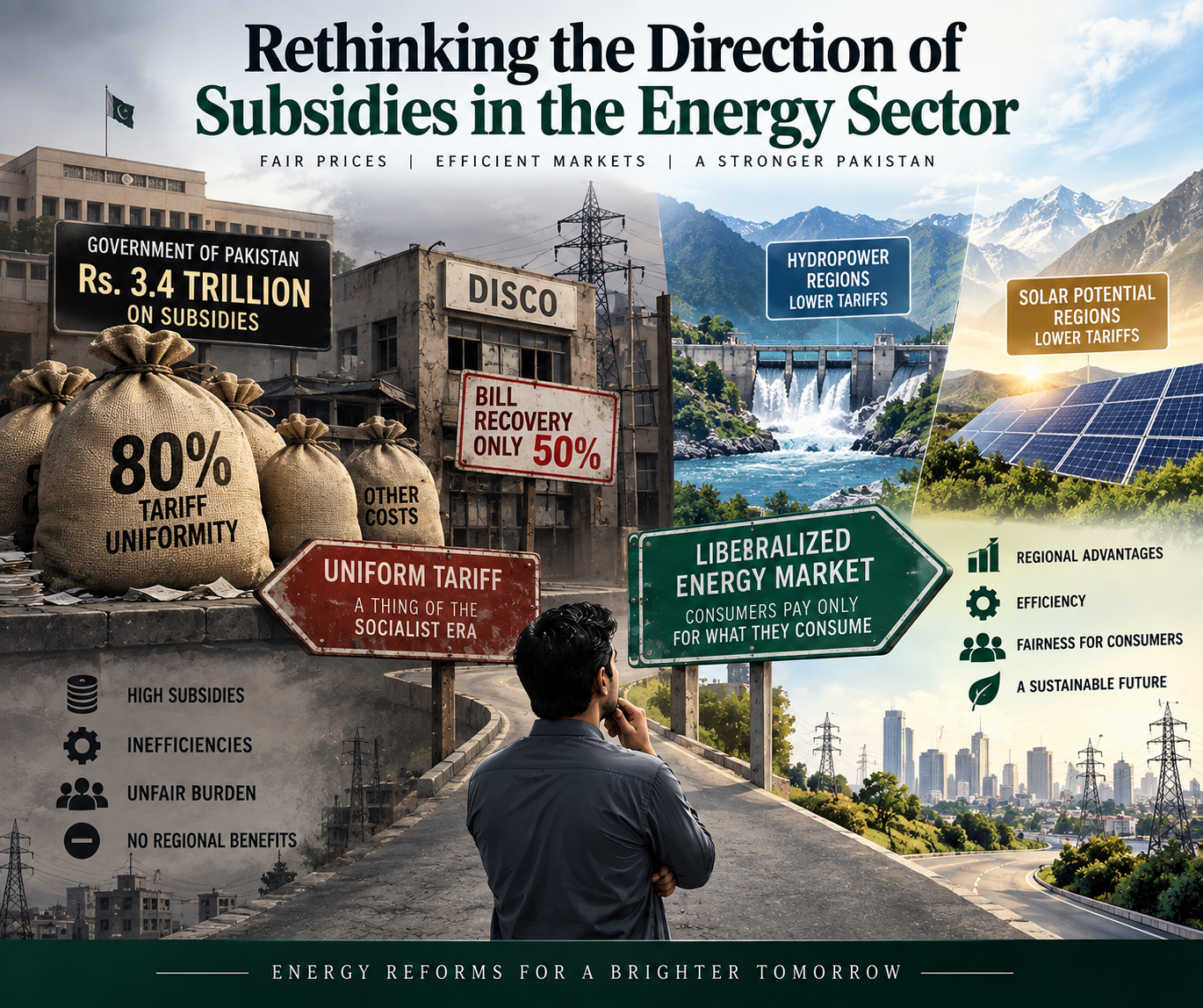
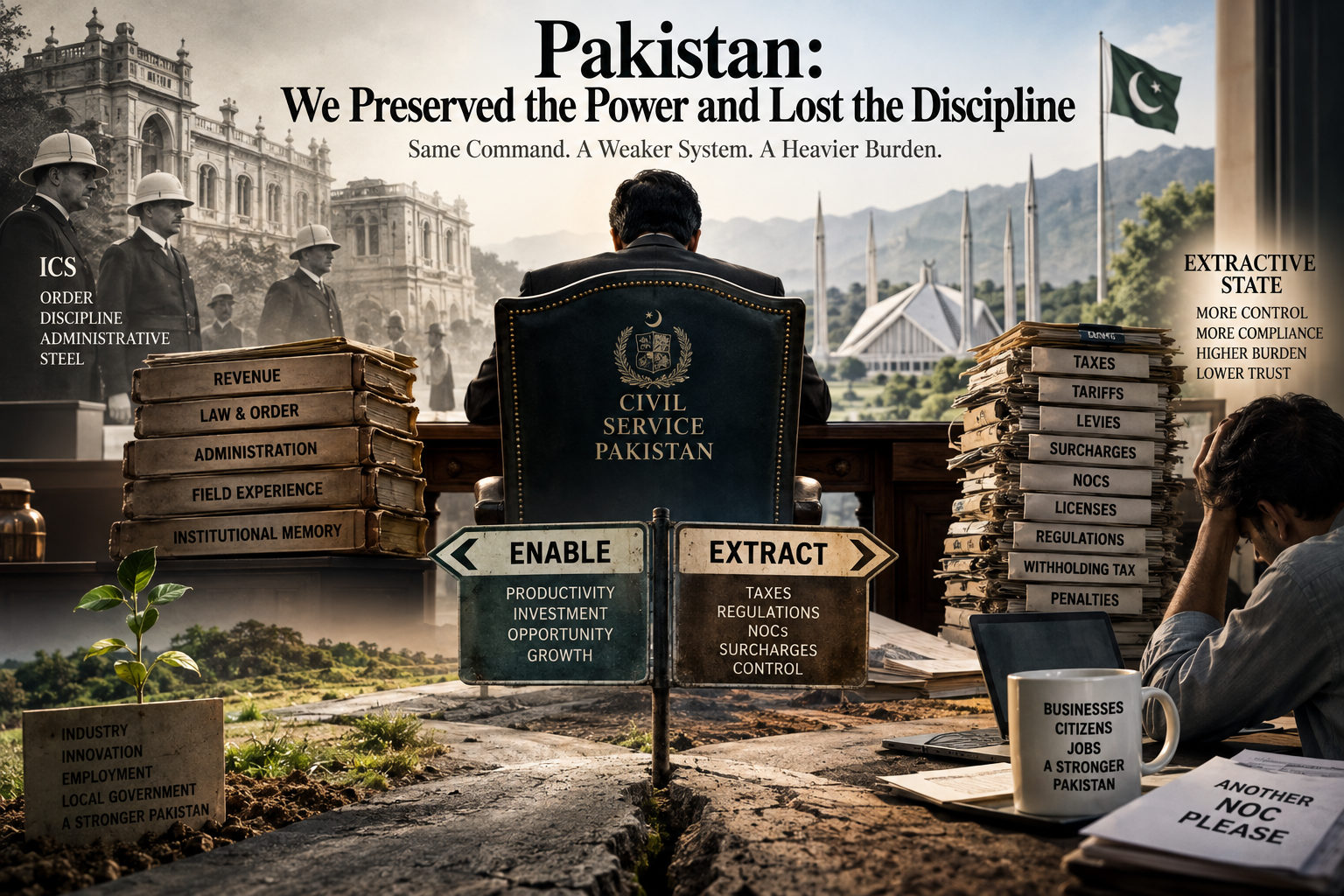
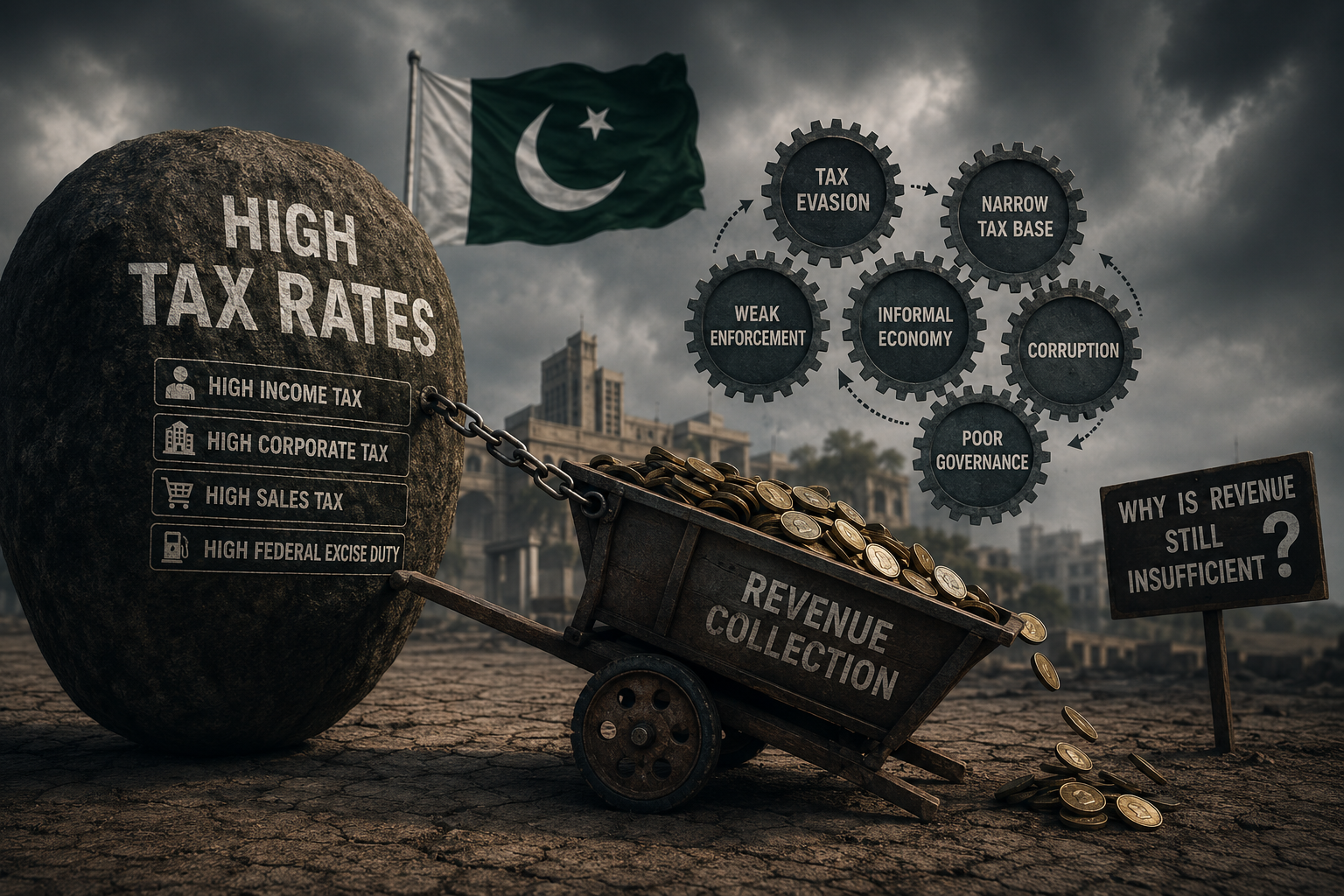
Pakistan’s tax, if it exists at all, hardly follows the democratic principles. It’s unpredictable, too bureaucratic, hungry for more taxes, and predatory.
Our institution has been of the view that Pakistan’s tax policy must follow the democratic principles.
First, it must be sustained for 10 or more years. It should not be left to the bureaucratic whim. Second, a new tax must be imposed after careful deliberation and research.
Third, in the modern economies, tax policy is not left to the whim of the ruler. It is a very comprehensive document, underlining why to tax and how to tax.
Because in a republic, a tax policy is something different.
In the ancient times, the King had unquestionable power over the lives and property of the people. He used to snatch harvests and newlywed women whenever he wanted something. His words and whims had absolute authority.
But democracy came with the curtailing of the power of the king. It was the first time in history that people could have their unalienable rights over their lives and property. The ideas of politics and economics emerged; governments’ absolute power was challenged, and scholars argued that rulers must derive their power from the people.