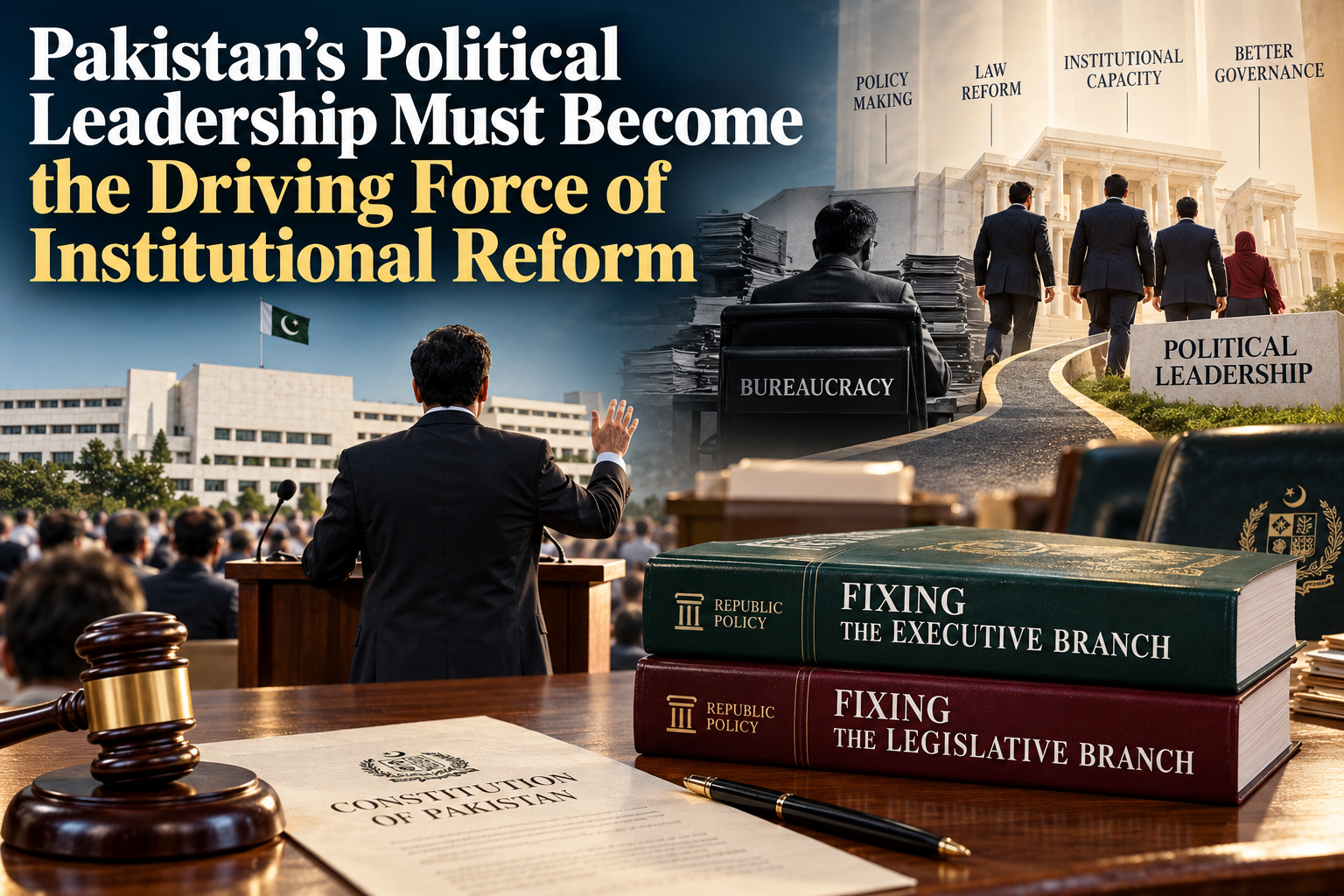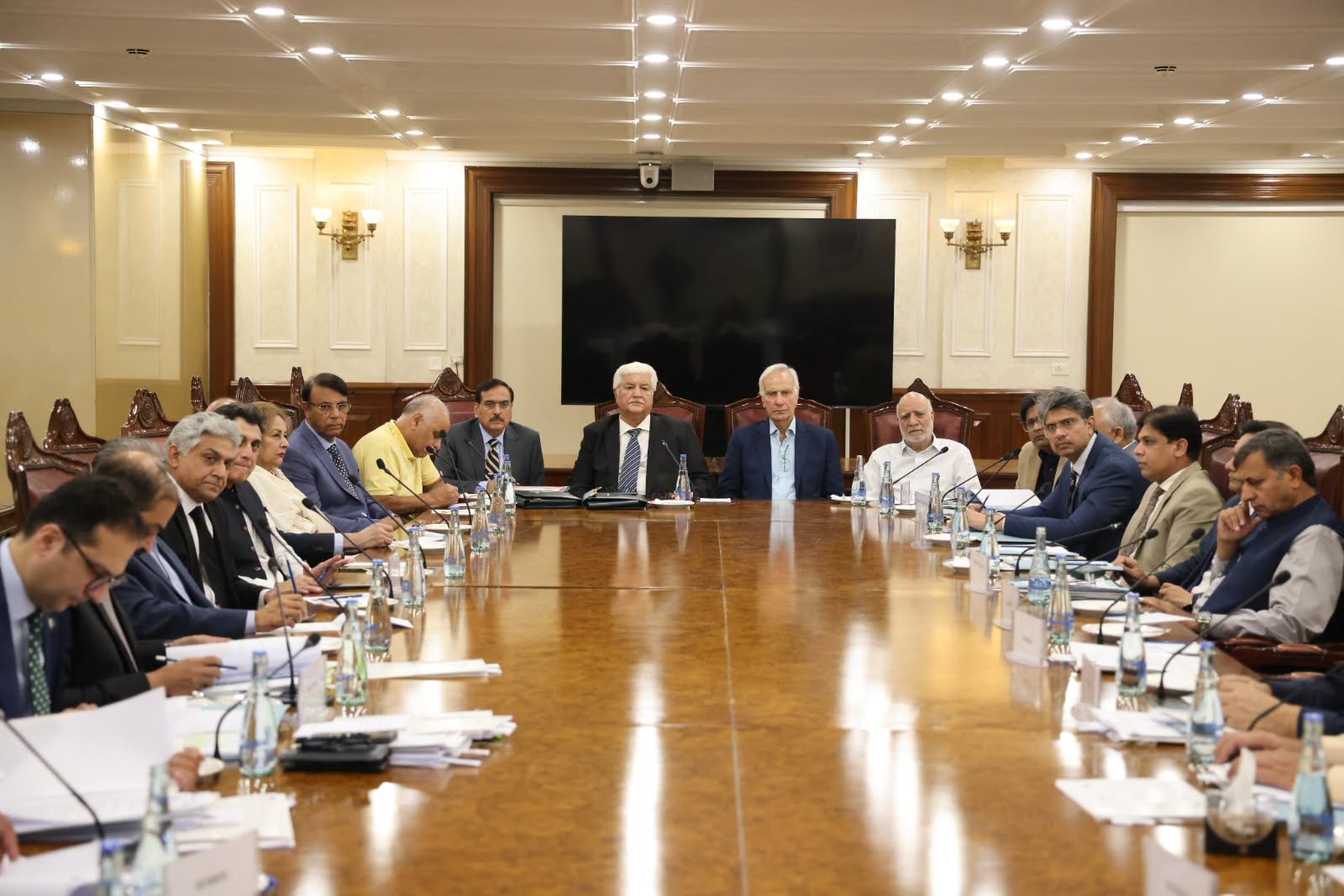

The size of the state and government in Pakistan has expanded unnecessarily, resulting in higher administrative costs, greater regulatory barriers, complex decision-making processes, and increased state control over economic activity. The central argument of Republic Policy’s research is that the government is no longer confined to policymaking and necessary regulation; rather, state institutions and the bureaucracy directly or indirectly influence a substantial proportion of economic transactions. According to the research, this proportion ranges from approximately 60 to 67 percent. In this context, understanding Pakistan’s economic and administrative challenges requires examining the relationship between the size of government, the regulatory system, and the structure of the civil service.
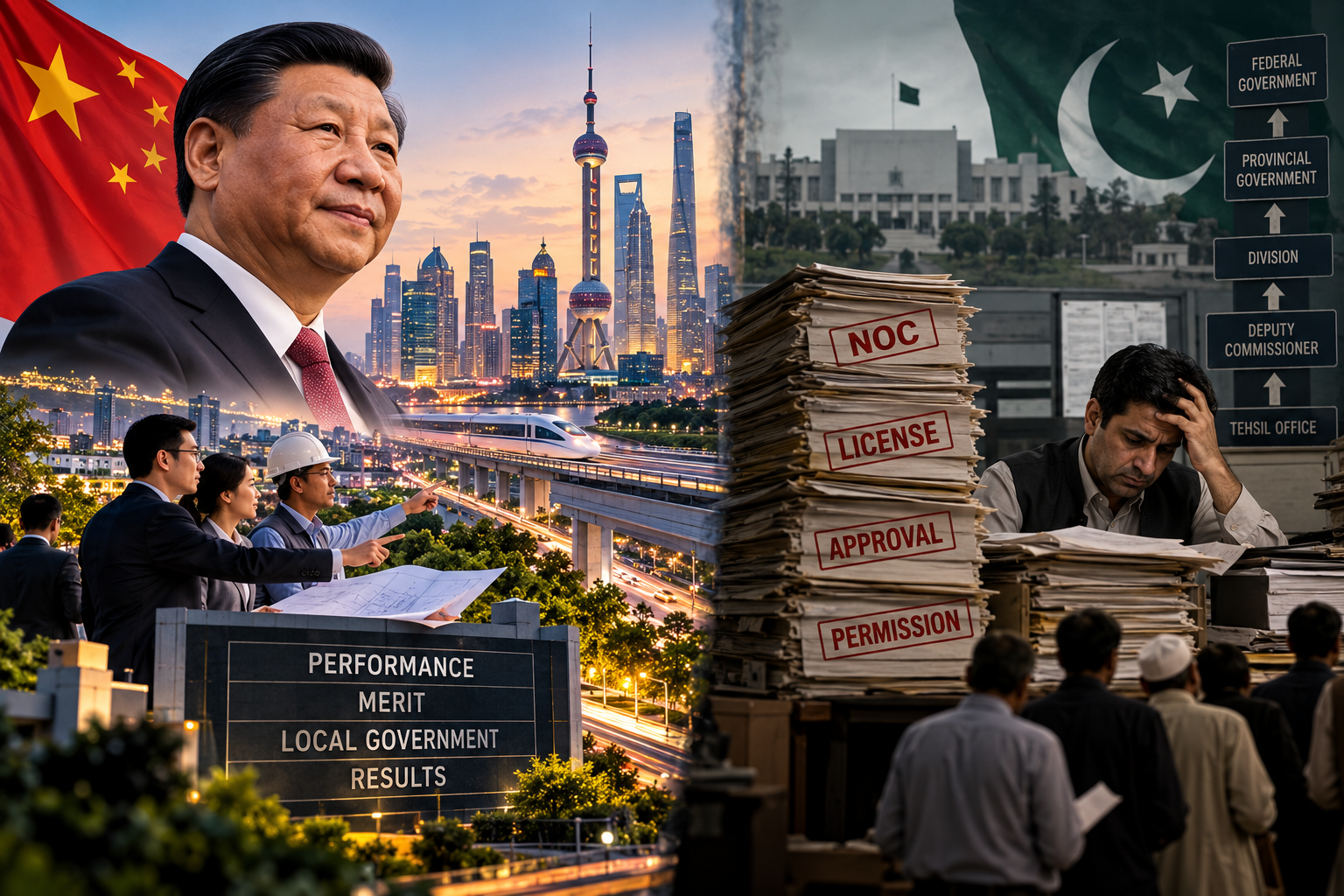
A fundamental requirement for economic development is that the state should make economic transactions easier, faster, and less costly. In developed economies, one of the state’s principal functions is to provide an effective legal and regulatory framework that facilitates business and economic activity. By contrast, when economic activity is subjected to excessive licences, No Objection Certificates (NOCs), certifications, permissions, and complicated regulations, transaction costs increase and business activity suffers. In Pakistan, such regulatory complexity has become a significant administrative obstacle to business and investment.
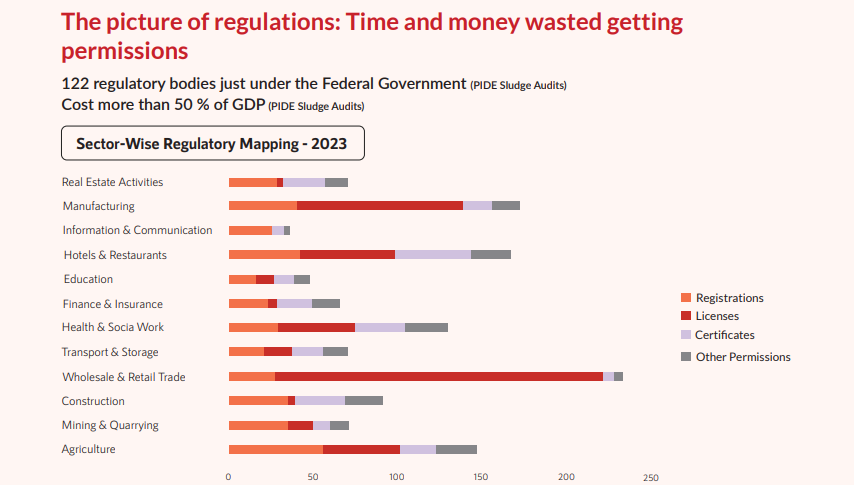
Republic Policy’s research, The Picture of Regulation: Time and Money Wasted in Getting Permissions, examines this issue in detail. According to the study, there are 122 regulatory bodies at the federal level alone, while the regulatory system as a whole affects approximately 50 percent of the economy. Sector-wise regulatory mapping further indicates that the manufacturing sector faces the greatest number of regulatory requirements in the form of licences, certifications, and other permissions. Wholesale and retail trade follows closely behind. The proliferation of permissions at different stages of business activity not only consumes time and resources but also increases the overall cost of doing business.
The problem, however, extends beyond the number of regulations. The more fundamental question is why Pakistan’s governmental and administrative structure has become so extensive. Republic Policy’s research also relates this issue to the administrative requirements that emerged following the 18th Constitutional Amendment. After the devolution of numerous powers and responsibilities to the provinces, the administrative structure of the federal government should have been restructured accordingly. The research argues that there was considerable scope for reducing the number of federal ministries, divisions, and secretaries, but such restructuring did not take place in practice.
One of the principal reasons lies in Pakistan’s existing civil service career structure. Under the current system, career progression is closely associated with advancement to higher grades and, ultimately, senior administrative positions. When professional success is linked to reaching Grade 22, becoming a federal secretary, or attaining similarly senior positions, reducing the administrative structure becomes difficult. A larger number of senior-grade officers creates demand for additional senior posts, divisions, and administrative positions. Consequently, the civil service career structure itself can create an internal institutional incentive to preserve or expand the size of government.
For this reason, reducing the size of government and reforming the civil service cannot be treated as separate policy questions. If the state intends to reduce ministries, divisions, regulatory bodies, and unnecessary administrative layers, it must simultaneously reform civil service career paths, promotion structures, specialization, performance evaluation, and the organization of senior administrative positions. Merely abolishing ministries or institutions will not constitute sustainable reform if the administrative system that generates institutional expansion remains unchanged.
An excessively large governmental and regulatory structure can also create opportunities for rent-seeking. When businesses require numerous government permissions, licences, certificates, and NOCs to operate, the state risks becoming a gatekeeper rather than a facilitator. Every additional layer of authorization creates another administrative interaction between citizens or businesses and the state. This can increase delays, discretionary authority, unnecessary costs, and opportunities for rent-seeking.
Pakistan therefore needs to approach government size, regulatory reform, and civil service reform through an integrated policy framework if it is to build an efficient administration suited to the requirements of the twenty-first century. The purpose of the state should not be to create more institutions, positions, and permissions, but to facilitate economic and social activity while maintaining the rule of law. Regulations that genuinely protect the public interest, ensure safety, promote competition, and maintain legal order should be made more effective. Those that merely create unnecessary administrative barriers should be simplified or eliminated.
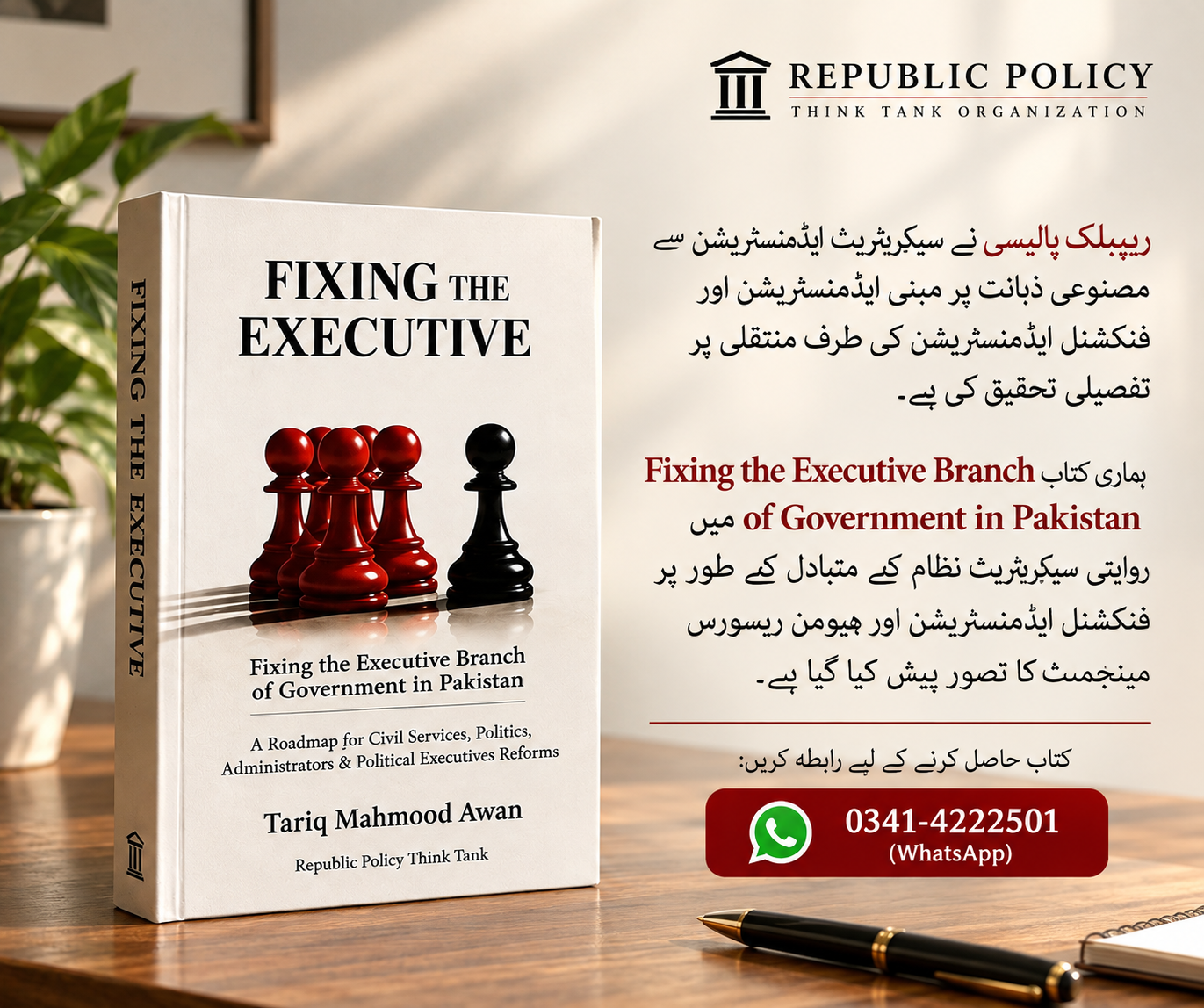
From Republic Policy’s perspective, reducing the unnecessary size of government is not merely a matter of cutting public expenditure; it is fundamentally a question of governance, economic efficiency, and civil service reform. A leaner, specialized, accountable, and facilitative state can improve administrative efficiency while creating a more conducive environment for economic transactions, investment, and business activity.
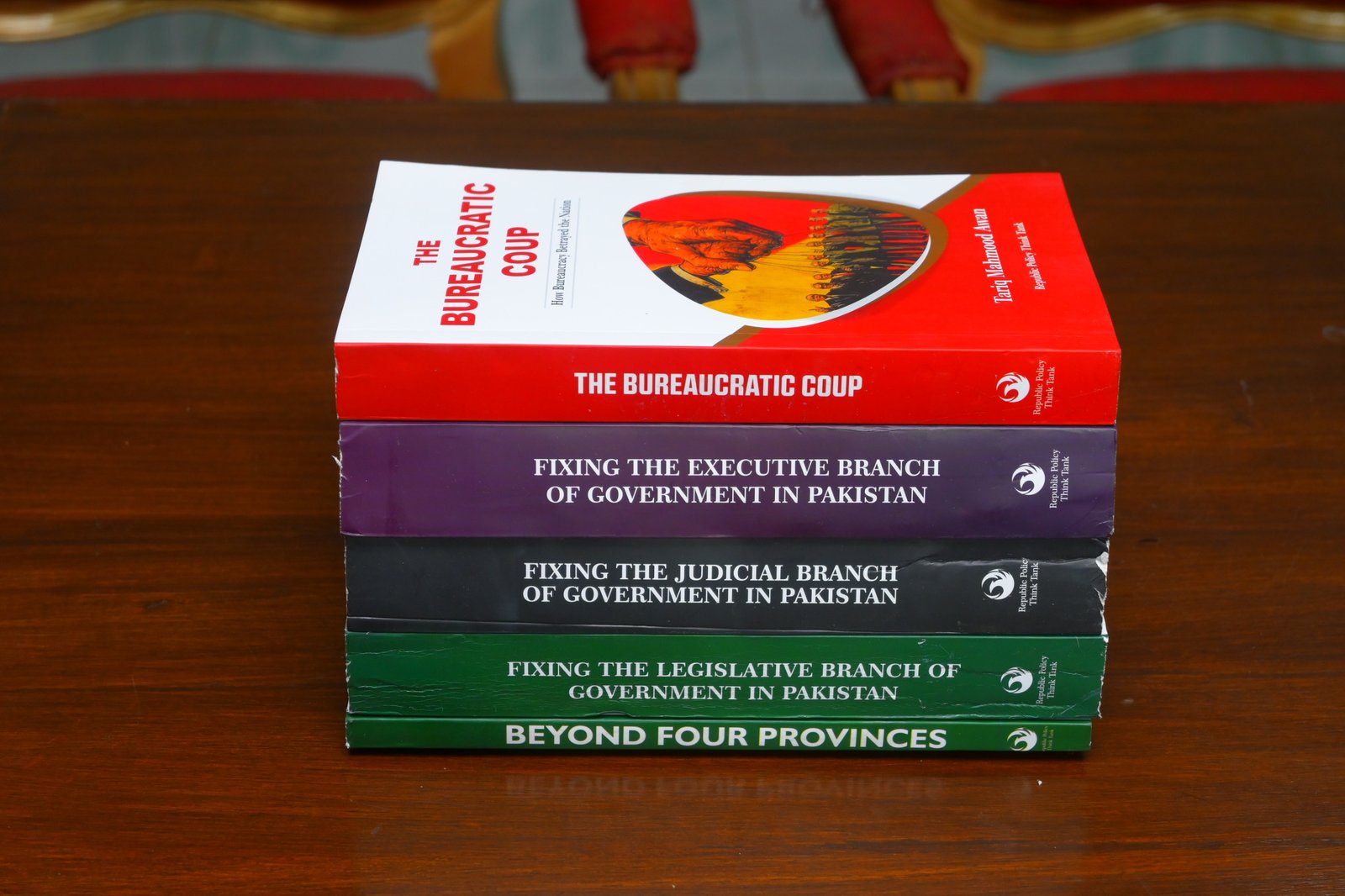
A detailed examination of these issues—including the institutional role of Pakistan’s bureaucracy, rent-seeking, and civil service reform—is presented in Republic Policy’s book, The Bureaucratic Coup. To obtain the book, contact Republic Policy at 0341-4222501.