
Editorial
There are six components to measure the state of governance in Pakistan: (1) political stability and lack of terrorism and crime; (2) voice and accountability (a government’s preparedness to be external through citizen feedback, democratic institutions, and a press); (3) government effectiveness (quality of policymaking, bureaucracy, and efficiency in public service delivery); (4) lack of regulatory burden; (5) the rule of rule (property rights and judiciary); and (6) control of corruption.
All these components reinforce each other and lead to a way to good governance. Most notably, a space is required to turn these components into reality.
Only effectively governed cities can provide space for good governance.
Everywhere in the world, great countries have great cities. People come to cities not just for entertainment but for commercial activities. For instance, two cities (London and Peking) that always fascinate the author are great cities because they offer dense places for commercial activities.
London is called the capital of the world. It is the largest and wealthiest city in the world. Nearly 9.6 million people live here. It is the chief center of banking and financial business, which accounts for much of the affairs in the nation. The money transaction carried on here day by day affects the whole world. Do policymakers think about dividing London into pieces because it’s too big and too complex?
There are 4000 walled cities in China. They differ very little from one another except in size. Peking is the great northern capital of China. Travellers describe the city like Peking with these words: “Narrow as the side streets of Peking are, they are made still narrower by the stalls and booths of tradesmen. Here we see a quack doctor expounding the wonderful virtues of his medicine to a gaping crowd; there fortune-tellers, seal-cutters, and letter-writers attract the attention of the passer-by.
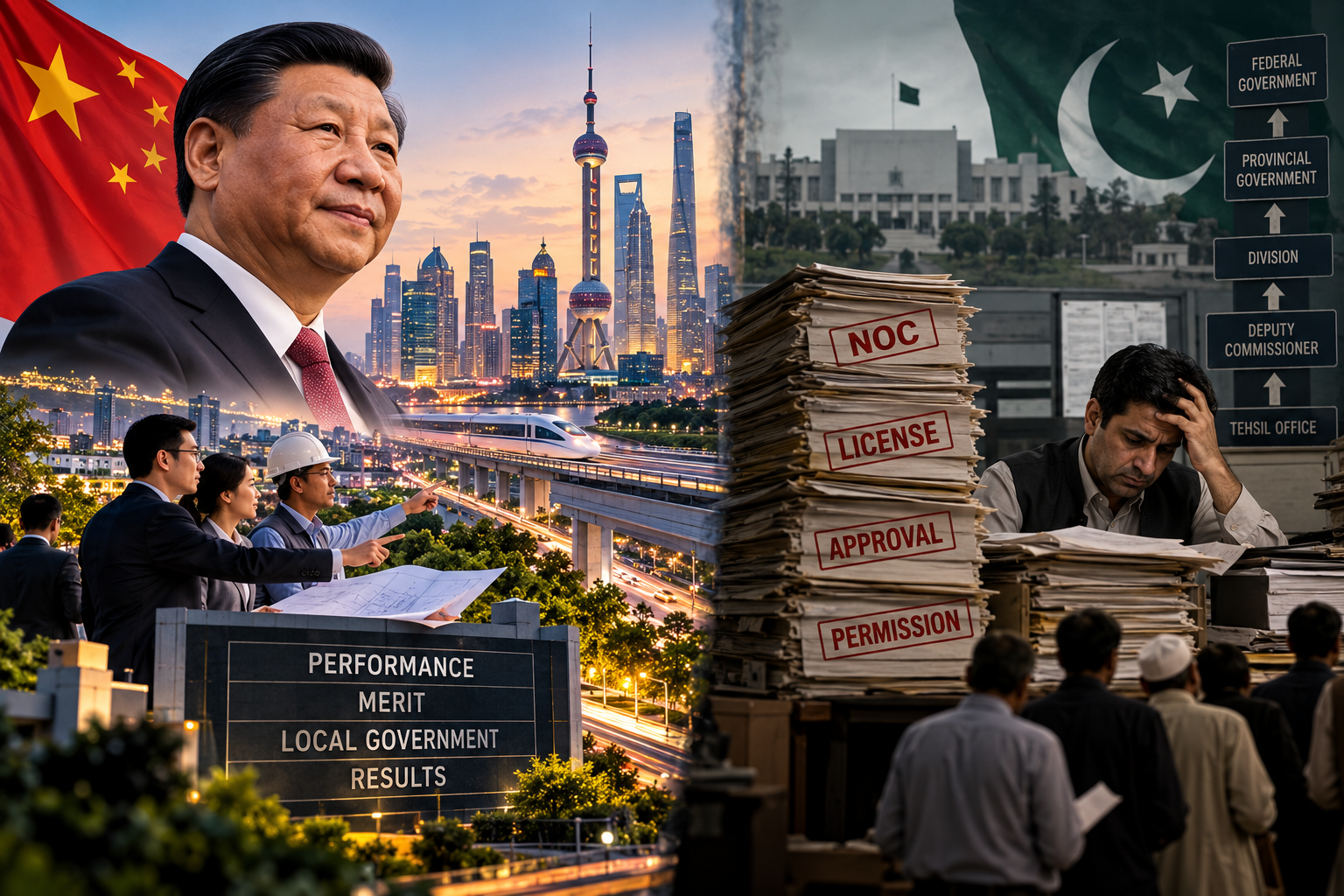
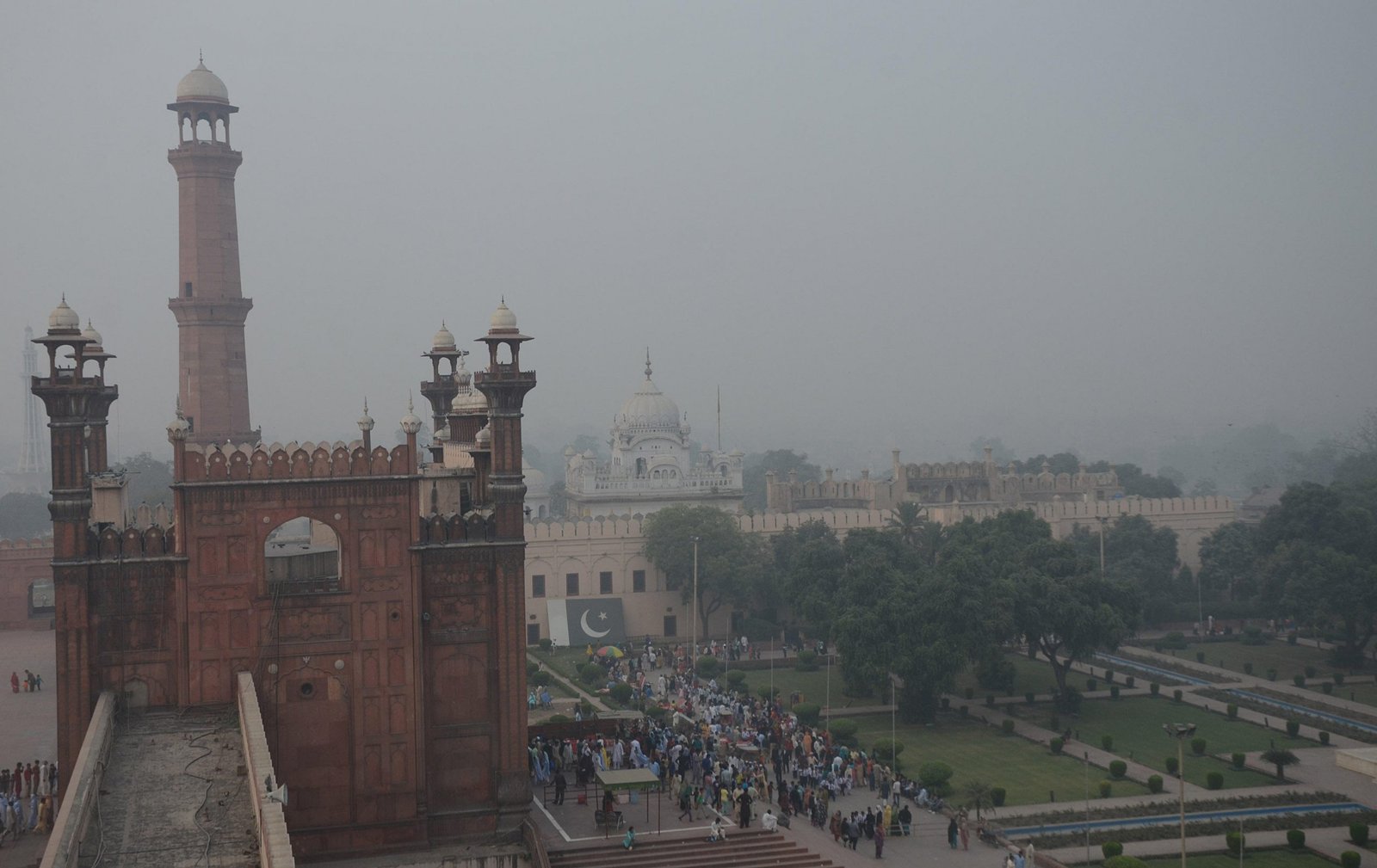
But in our cities, bureaucrats don’t allow dense places, commercial activities, vendor proliferation, etc. They occupy the prime land of the cities for their parks, golf courses, and hate commercial activities. According to the research by PIDE, dense Lahore has commercial activities on 8% of the total area, while the city is sprawling, creating mobility difficulties.