
Who Do We Blame?
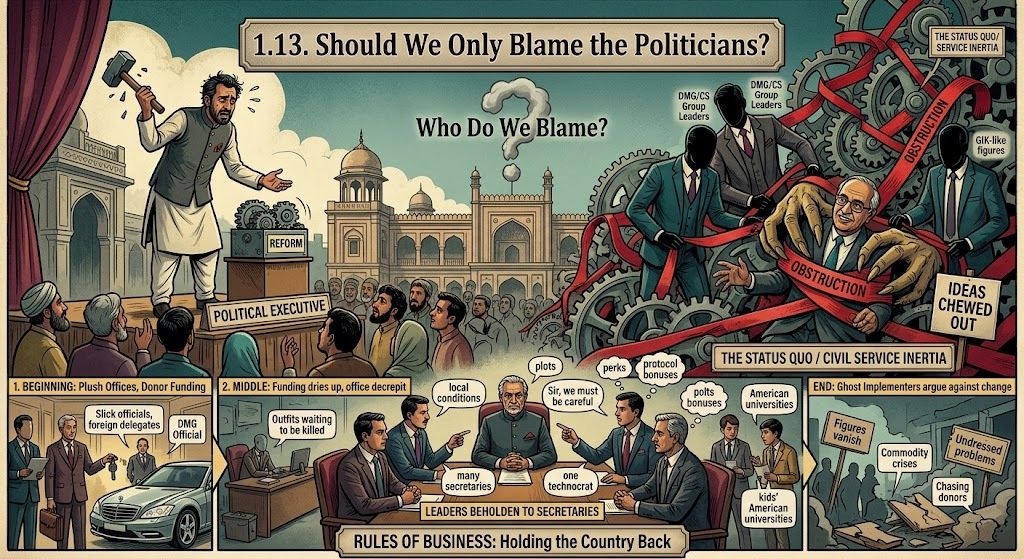
We spend altogether too much time blaming politicians and our incumbent leaders for their failure to deliver. Is that fair? I have seen it even when politicians want to make reform, and the system stymies them. All governments have invited technocrats to make reform, but all of them have been chewed out by the system and made totally ineffective. Mahbub ul Haq came here with many ideas, but the civil servant group led by GIK obstructed him in every way and finally sent him out of the country. They ganged up on him to preserve the status quo!
Many have come and gone like Dr. Haq to see if they can help develop the country. They come with new ideas. They work hard to give this country something. Even some politicians try to develop new ideas and wait around for some good results. Unfortunately, all their ideas too are implemented in such slipshod fashion that, be it an education program, a youth scheme, or a social protection program, the result is the same: no real progress or a program that we can be proud of.
In the beginning, you see plush offices, big cars, and a smartly dressed DMG official running the show, giving slick presentations, even arranging big conferences with lots of foreign delegates. But this is while the donor funding lasts. After the funding dries up, the DMG official moves on, the office becomes decrepit, and all the good people leave. And all we have is another derelict outfit waiting to be killed.
Meanwhile, the government remains beset with old familiar issues: buying commodities, managing crises that arise out of long unaddressed problems, and chasing donors for funding to preserve the status quo! Anything to keep reform at bay.
Even when a reform like the monetization of cars is approved by our leaders, it is left for the beneficiaries to develop and implement for themselves. It is poorly implemented and then used as an example of why this country is not ready for reform. The people who implemented the reform move away like ghosts, and no opprobrium visits them. Instead, they become the loudest voice in the room where change is being discussed, arguing against change.
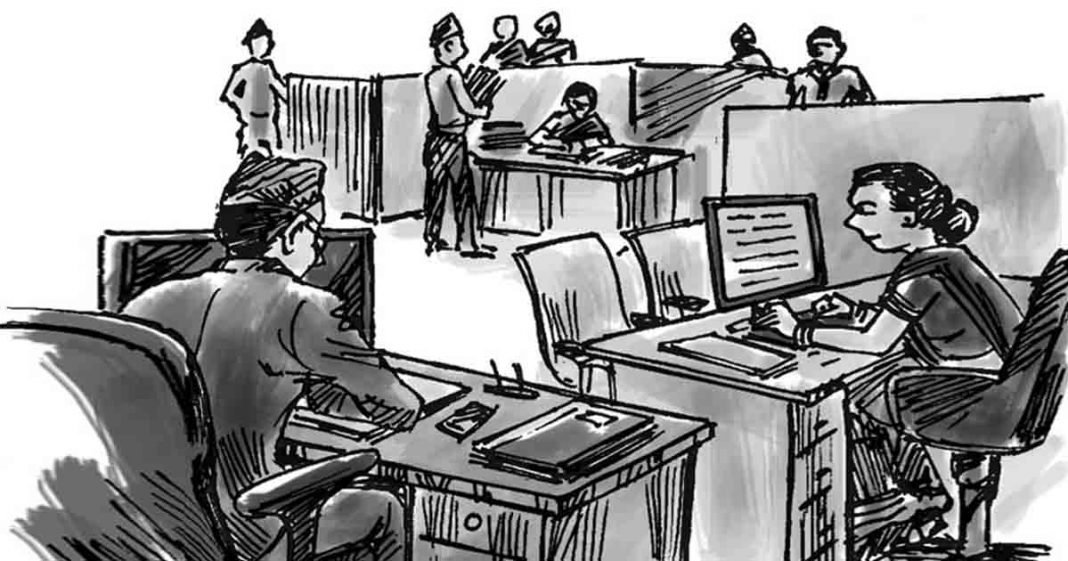
Occasionally leaders will call a meeting for a change. There will be one hapless technocrat and many secretaries. One after the other, they will all speak about how we must be careful to change a system where they have all power and many perks and opportunities to get bonuses and plots. Typical refrains are “sir, we must be careful and go slow.” Why? Because we implemented previous reforms badly. The implication is that all change is bad. Not that the implementers have a problem with change since they are so heavily invested in the status quo of perks/plots/protocol.
They are also quick to point out how “local conditions,” which they know best, will not allow the best ideas to work here. I am always amused to see these people sitting there in their western finery with their kids in American universities, arguing that Pakistanis are not ready to change. In a society that is now deeply globalized through migration, these people still argue for how people want to remain local.
The rules of business make all our leaders beholden to secretaries. But this control by people who will do all that is in their power to maintain the status quo from which they benefit is holding the country back.