
Strengthening parliamentary oversight, restoring political leadership and ensuring constitutional accountability are essential to building an effective democratic system in Pakistan.
Pakistan’s democratic challenges are not merely the result of weak legislation, administrative inefficiency or political instability. At their core lies a more fundamental institutional question: who determines the direction of government, who exercises authority over the executive, and how should elected representatives hold public institutions accountable?
These questions are central to parliamentary democracy, yet they remain insufficiently addressed in Pakistan’s governance structure. The country has constitutional institutions, elected assemblies and an extensive administrative machinery, but the relationship between political authority and bureaucratic power frequently remains unclear in practice.
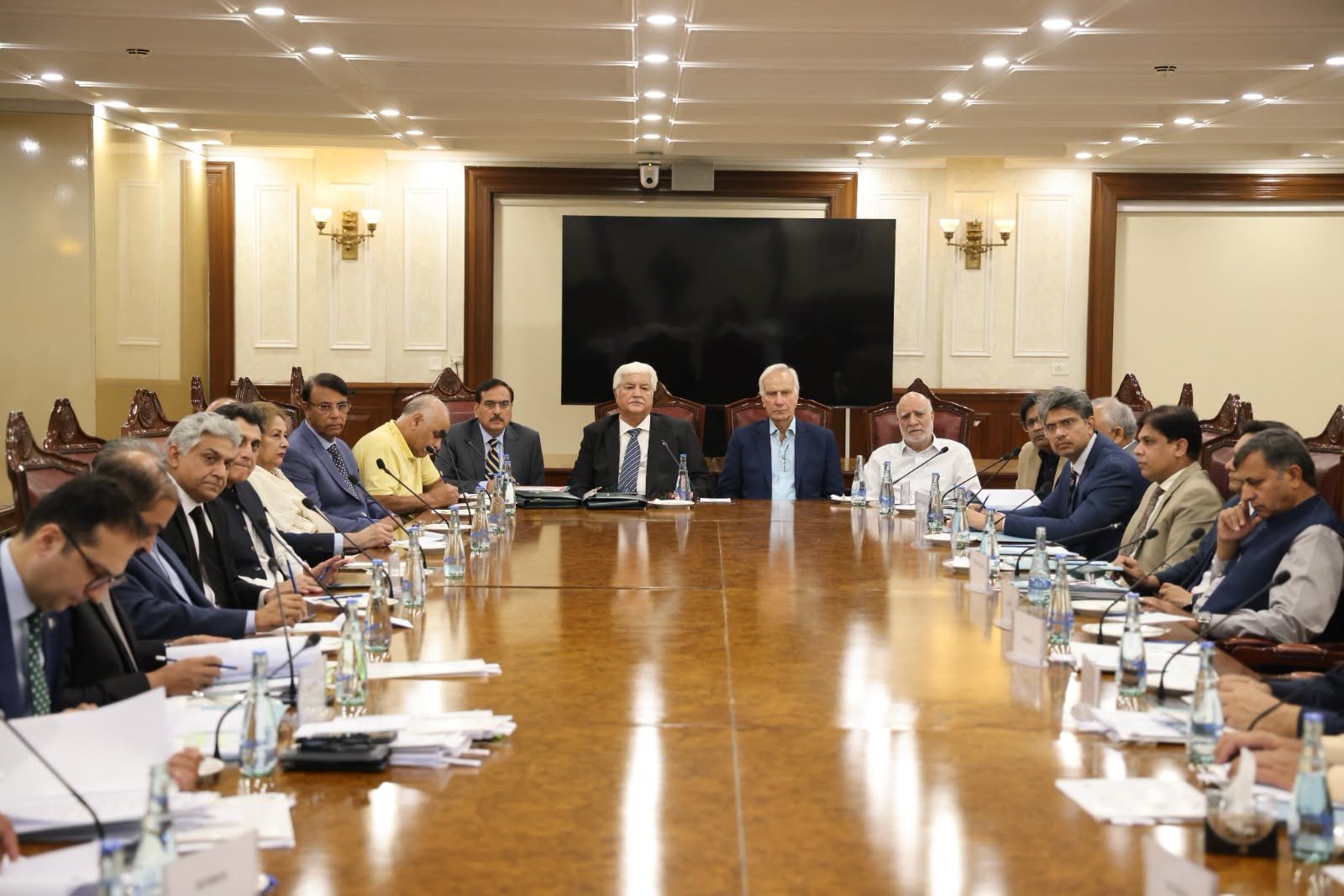
Speaker of the Punjab Assembly Malik Muhammad Ahmad Khan has raised important constitutional and institutional questions concerning the role of parliamentary standing committees, the live broadcasting of their proceedings and the meaning of parliamentary supremacy. His observations deserve serious consideration because they concern the foundations of democratic governance rather than merely parliamentary procedure.
The central argument is straightforward: Parliament must exercise its constitutional responsibilities effectively, the executive must remain accountable to elected political leadership, and every institution must operate within the supremacy of the Constitution.
Parliament Is More Than a Lawmaking Institution
A common misunderstanding of parliamentary democracy is that the legislature exists primarily to pass laws, approve budgets and debate political controversies.
Although these functions are essential, they represent only part of Parliament’s constitutional responsibilities.
In a functioning parliamentary system, the legislature also provides democratic direction, scrutinises government policies, examines public expenditure and holds ministers accountable for executive performance.
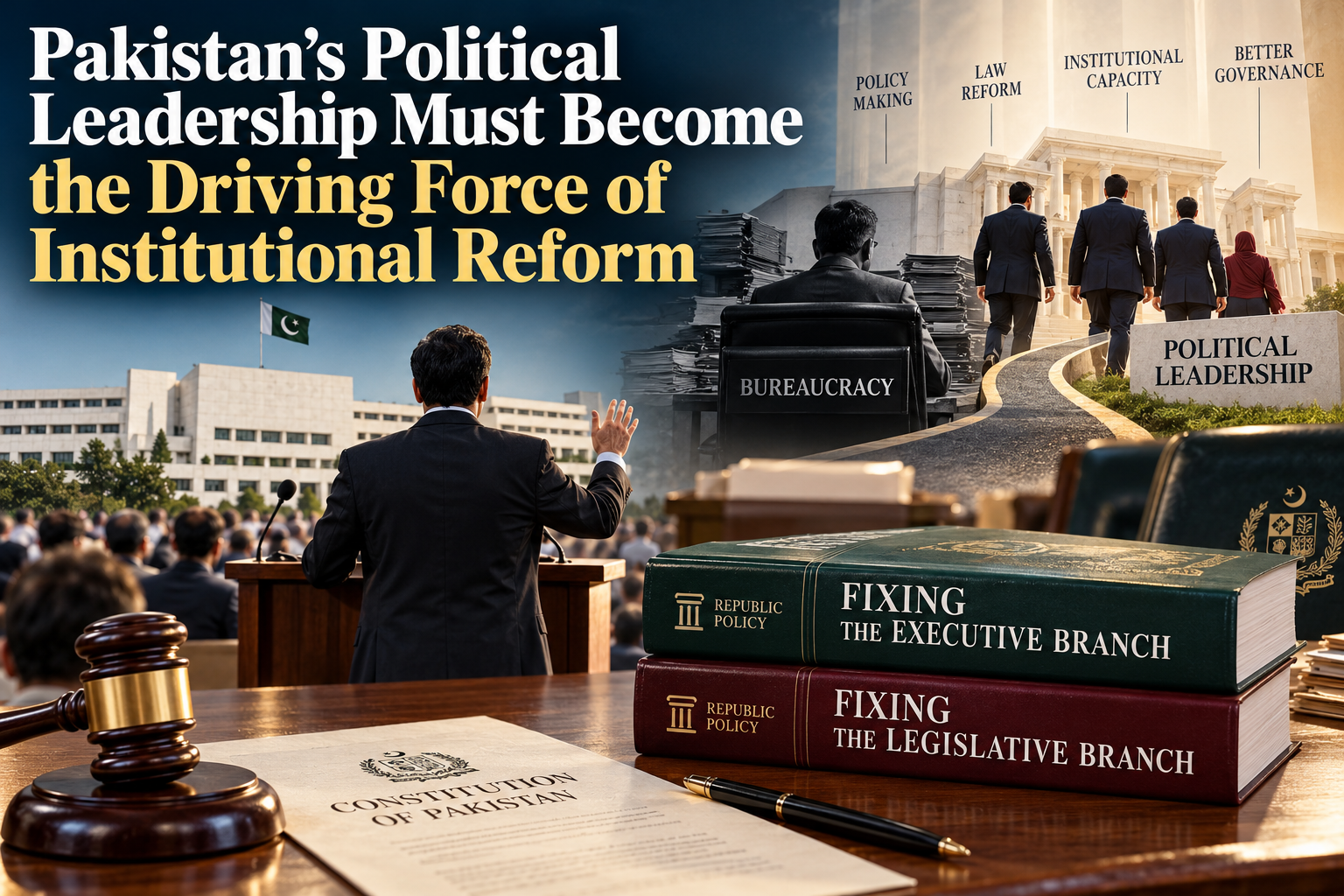
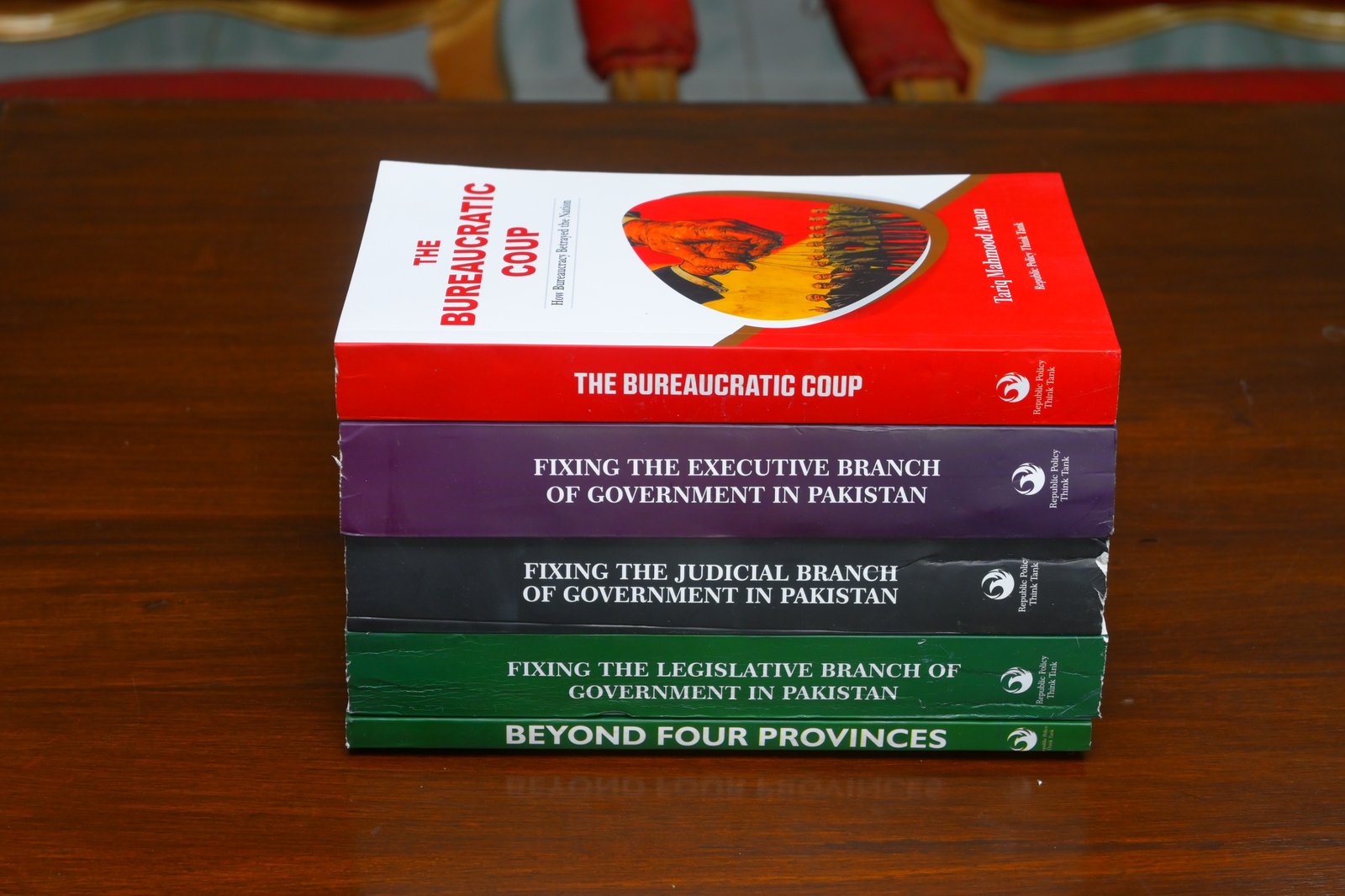
Republic Policy’s book, Fixing the Legislative Branch of Government in Pakistan, emphasises this broader institutional role. It argues for strengthening legislative institutions so that they can exercise meaningful oversight and contribute to effective democratic governance.
Pakistan’s difficulty is that administrative institutions often acquire considerable influence over policy formulation and implementation, while elected representatives struggle to exercise consistent oversight.
Consequently, decisions affecting millions of citizens may be shaped primarily through administrative processes rather than sustained parliamentary scrutiny.
This imbalance weakens political accountability because public officials who exercise significant administrative authority are not directly answerable to voters.
A democratic system cannot function effectively when elected institutions become secondary participants in the governance process.
Standing Committees Are the Engines of Parliamentary Oversight
Parliamentary standing committees are among the most important instruments of democratic accountability.
Their significance lies in their capacity to examine government performance in greater detail than is ordinarily possible during legislative sessions.
Standing committees can scrutinise proposed legislation, review departmental expenditure, question administrative officials and investigate the implementation of public policies.
They provide a structured institutional mechanism through which elected representatives can evaluate whether government departments are functioning according to legal requirements and approved policy objectives.
In established parliamentary democracies, committee systems play a substantial role in ensuring executive accountability.
Pakistan must develop similar institutional capacity.
However, the effectiveness of standing committees depends on more than their formal existence. They require professional research support, access to reliable information, adequate procedural authority and mechanisms for following up on recommendations.
A committee that conducts hearings without influencing government accountability risks becoming a ceremonial institution.
The objective should therefore be to transform standing committees into effective instruments of legislative scrutiny and institutional improvement.
Live Broadcasting Can Strengthen Democratic Transparency
The proposal to broadcast parliamentary committee proceedings deserves particular attention.
Public access to committee hearings can improve transparency by allowing citizens to observe how elected representatives question officials, examine government decisions and assess public policies.
Such openness can also encourage greater professionalism among parliamentarians and administrative authorities.
Citizens should be able to understand how decisions are examined, how public resources are monitored and whether government institutions are fulfilling their responsibilities.
Nevertheless, broadcasting proceedings must not become an exercise in political spectacle.
Parliamentary scrutiny requires evidence, informed questioning and institutional seriousness. Publicity alone cannot substitute for effective oversight.
Appropriate safeguards may also be necessary where proceedings involve national security, legally protected information or individual privacy.
The purpose of transparency must remain the improvement of governance, not merely the visibility of parliamentary activity.
Constitutional Supremacy Must Not Be Confused With Institutional Supremacy
One of the most significant issues raised by Malik Muhammad Ahmad Khan concerns the constitutional principle of separation of powers.
In Pakistan, this principle is sometimes interpreted as a contest for supremacy among state institutions.
Such an understanding is fundamentally misleading.
The separation of powers is intended to organise constitutional authority, prevent its excessive concentration and establish appropriate institutional checks.
It does not imply that the legislature, executive or judiciary possesses unlimited authority.
The Constitution is supreme, and every institution derives its legitimacy and powers from it.
Furthermore, parliamentary government does not involve an absolute separation between the legislature and executive.
The executive is politically connected to the elected legislature and remains dependent on parliamentary confidence and accountability.
This relationship distinguishes parliamentary democracy from systems based on a more rigid separation of governmental branches.
The essential requirement is that institutions exercise their respective responsibilities without undermining constitutional boundaries.
Political Leadership Must Direct the Executive
Another fundamental principle of parliamentary government is that elected political leadership must determine public policy.
Ministers are not merely ceremonial heads of administrative departments. They are responsible for establishing priorities, making policy decisions and answering to Parliament for governmental performance.
Civil servants, meanwhile, provide professional expertise, administrative continuity and lawful implementation.
Their role is indispensable, but administrative expertise must not replace democratic authority.
Pakistan’s governance difficulties frequently emerge when the distinction between political leadership and administrative responsibility becomes blurred.
An effective parliamentary system requires ministers who understand their constitutional responsibilities and civil servants who implement lawful government policies with competence and impartiality.
Political authority must also remain subject to legal limitations. Democratic accountability does not authorise ministers to demand unlawful administrative actions.
The proper relationship is one of constitutional leadership, professional implementation and institutional accountability.
Pakistan Needs Institutional Reform, Not Symbolic Parliamentary Authority
Strengthening parliamentary democracy requires practical institutional reforms rather than repeated declarations of parliamentary supremacy.
Standing committees must become more effective. Legislative research capacity must improve. Ministerial accountability must be strengthened, and parliamentary scrutiny should influence administrative performance.
Above all, political leadership must assume responsibility for governing rather than surrendering substantive policy decisions to administrative institutions.
Malik Muhammad Ahmad Khan’s observations provide an important opportunity to reconsider these institutional weaknesses.
Pakistan cannot establish effective democratic governance through constitutional language alone. Constitutional principles must be reflected in the actual distribution and exercise of governmental authority.
A strong Parliament is not necessarily one that passes the greatest number of laws. It is one that exercises meaningful oversight, demands accountability and ensures that executive authority serves the public interest.
Similarly, an effective executive is not one that operates independently of political scrutiny, but one that implements lawful policies efficiently under constitutionally responsible leadership.
The future of parliamentary democracy in Pakistan depends on restoring this essential institutional balance.
Parliamentary democracy becomes meaningful when elected political leadership provides direction, the executive implements public policy, standing committees ensure accountability, and the Constitution remains supreme over every institution.
That is the foundation of responsible government, institutional stability and lasting democratic reform in Pakistan.
Get our Books: 0341-4222501