
President Donald Trump said Sunday that Iran’s energy hub of Kharg Island was being destroyed, posting a one-line social media message accompanied by an AI-generated video clip, though no other evidence emerged to confirm an attack on the facility. The White House and Pentagon did not immediately respond to requests for comment, and Iranian media offered no immediate response to Trump’s post either.
“Kharg Island being blown to smithereens!!! President DJT,” Trump wrote, without elaborating. Reuters confirmed that the accompanying video was most likely synthetically generated, based on software designed to detect AI-manipulated imagery. Kharg Island handled roughly 90% of Iran’s oil exports before the war launched by US and Israeli strikes on February 28, meaning any real attack on the facility would severely disrupt Iran’s energy trade and place enormous pressure on its economy.
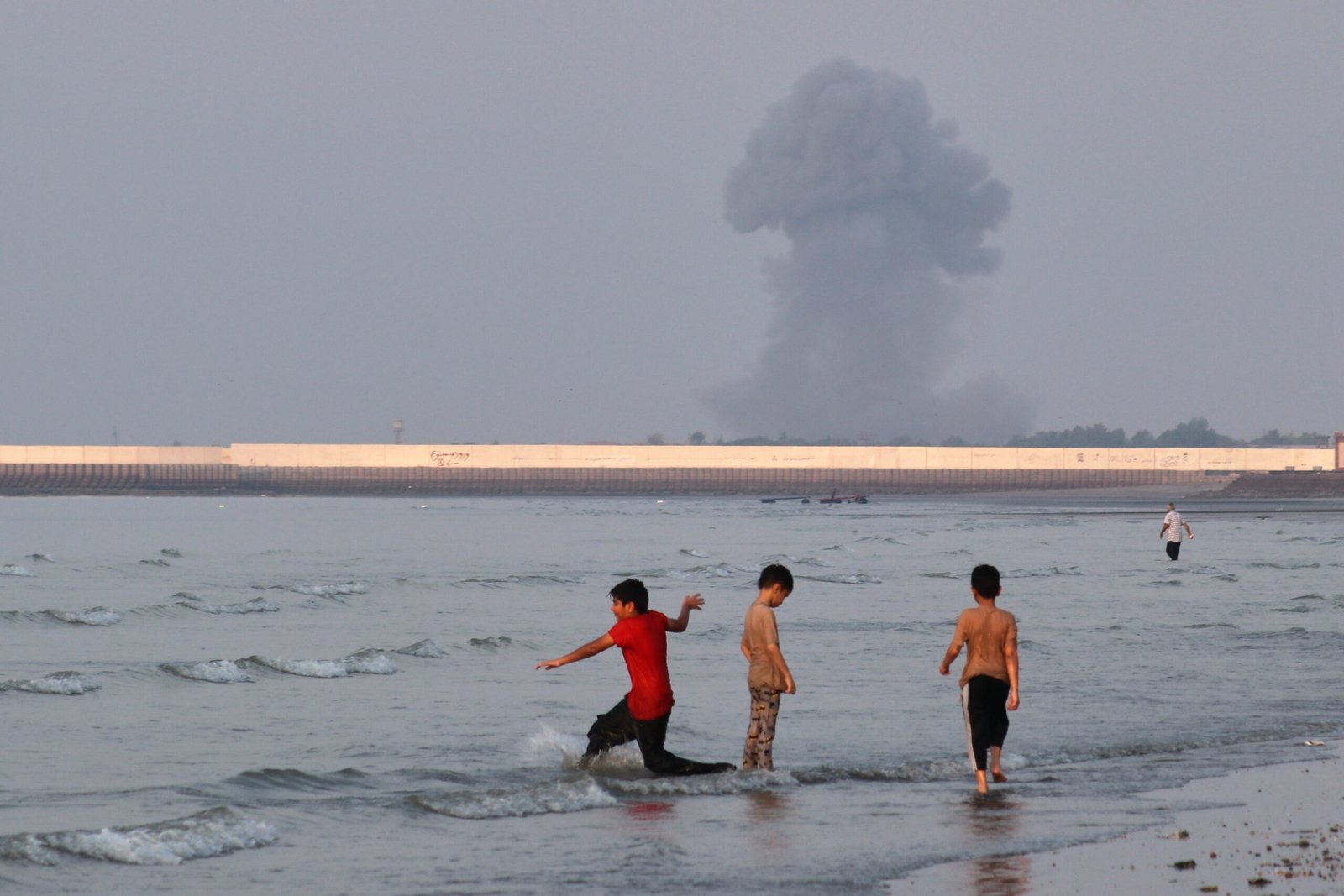
The claim followed an actual US strike on Iranian rocket launchers on Larak Island, roughly 660km east of Kharg, which Iran answered with an assault on two US bases in Jordan, according to Iranian media. The exchange marked the first known direct military engagement in weeks, following a period in which the Trump administration had shifted focus toward economic sanctions rather than military action against Tehran.
Sanctions Escalation Continues
US Treasury Secretary Scott Bessent told Reuters Sunday that new secondary sanctions were likely to be announced weekly as part of the pressure campaign against Iran, with an initial focus on banks. “We’re starting with the banks, and we’re telling the banks it’s not okay to have Iranian money and to aid the regime,” he said. Following Friday’s penalties on the UAE branches of Egypt’s Banque Misr over alleged financial ties to Iran, Bessent suggested the next step could involve cutting an institution off entirely from the dollar-based financial system. “You’re going to see a lot more of these every week,” he told Reuters ahead of a G20 finance leaders’ meeting.
First Known Military Strikes in Weeks
A US official described the Larak Island strike as the first known American military action since late July, saying forces targeted two Iranian launchers on the small island near the strategic port of Bandar Abbas, a location overlooking key shipping lanes at the mouth of the Gulf. “Islamic Revolutionary Guard Corps forces were observed preparing to launch rockets with sea mines into the Strait of Hormuz,” the source said.
In retaliation, Iran fired ballistic missiles at two US bases in Jordan; Jordanian state television said the country’s armed forces intercepted eight missiles that entered its airspace. Iran’s Revolutionary Guards said the strike killed and wounded several soldiers and citizens, vowing a further response, according to Iranian state media. US Central Command said in a statement that it had taken “limited, precise” action against Iranian minelaying forces it described as posing an “imminent threat” in the strait, without providing further detail. A Fox News reporter, citing a US source, said nearly all incoming missiles from Iran’s retaliatory strike had been intercepted, with no significant impact reported.
Amid the renewed threats to shipping, the number of commodity vessels visibly transiting the Strait of Hormuz fell to just five a day over the weekend, according to shipping data, though the actual figure could be higher given that some vessels have disabled their identification systems to avoid attack.
Last week, Trump had claimed all mines had been detonated or removed from the strait’s international waters, warning that any vessel found placing new mines would be destroyed. Iran’s Revolutionary Guards navy dismissed those claims as “an obvious lie,” maintaining that the strait remains closed to vessels without Iranian permission. Before the blockade began six months ago, the waterway carried nearly a fifth of the world’s crude oil and LNG shipments; Iran remains the third-largest producer within OPEC.