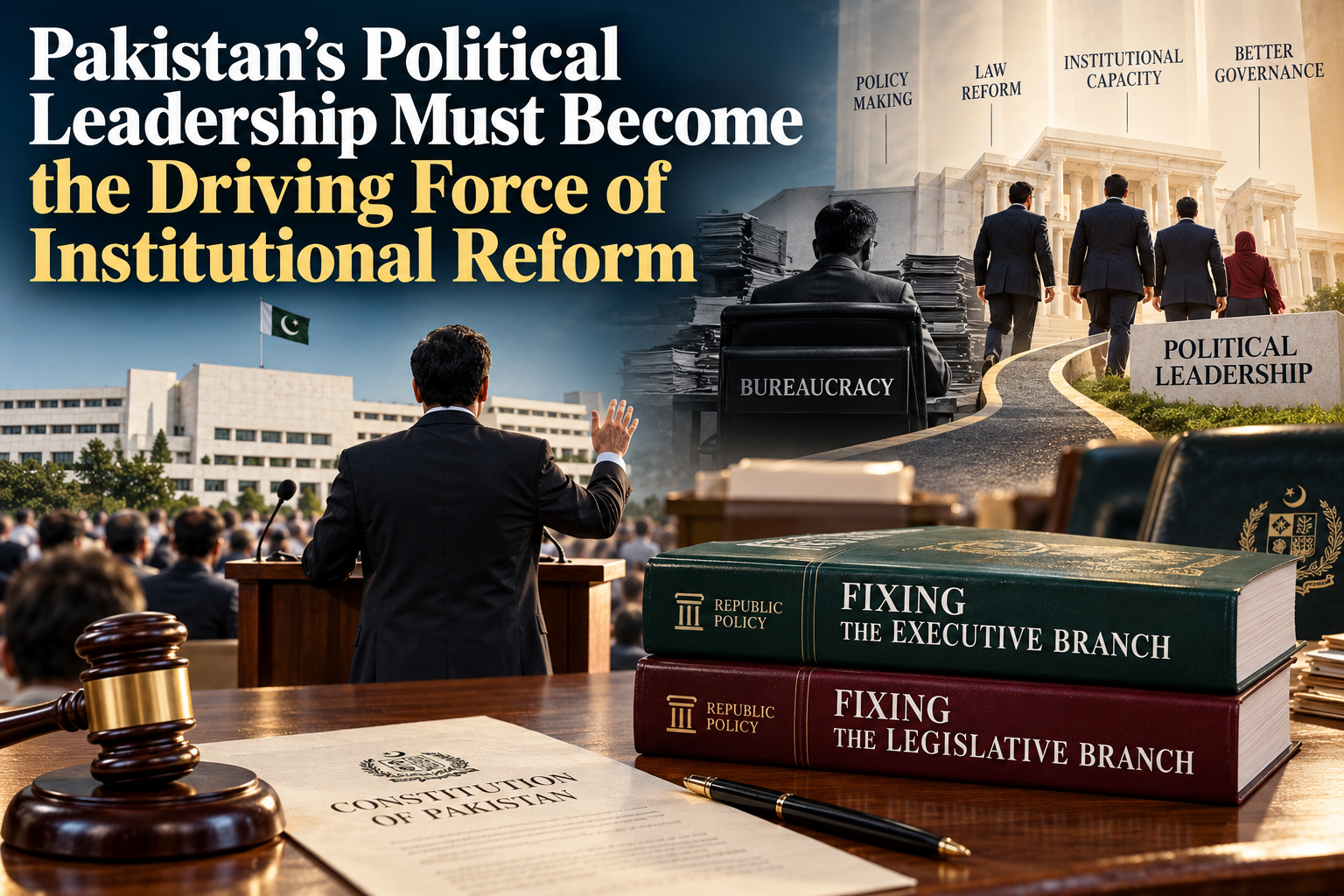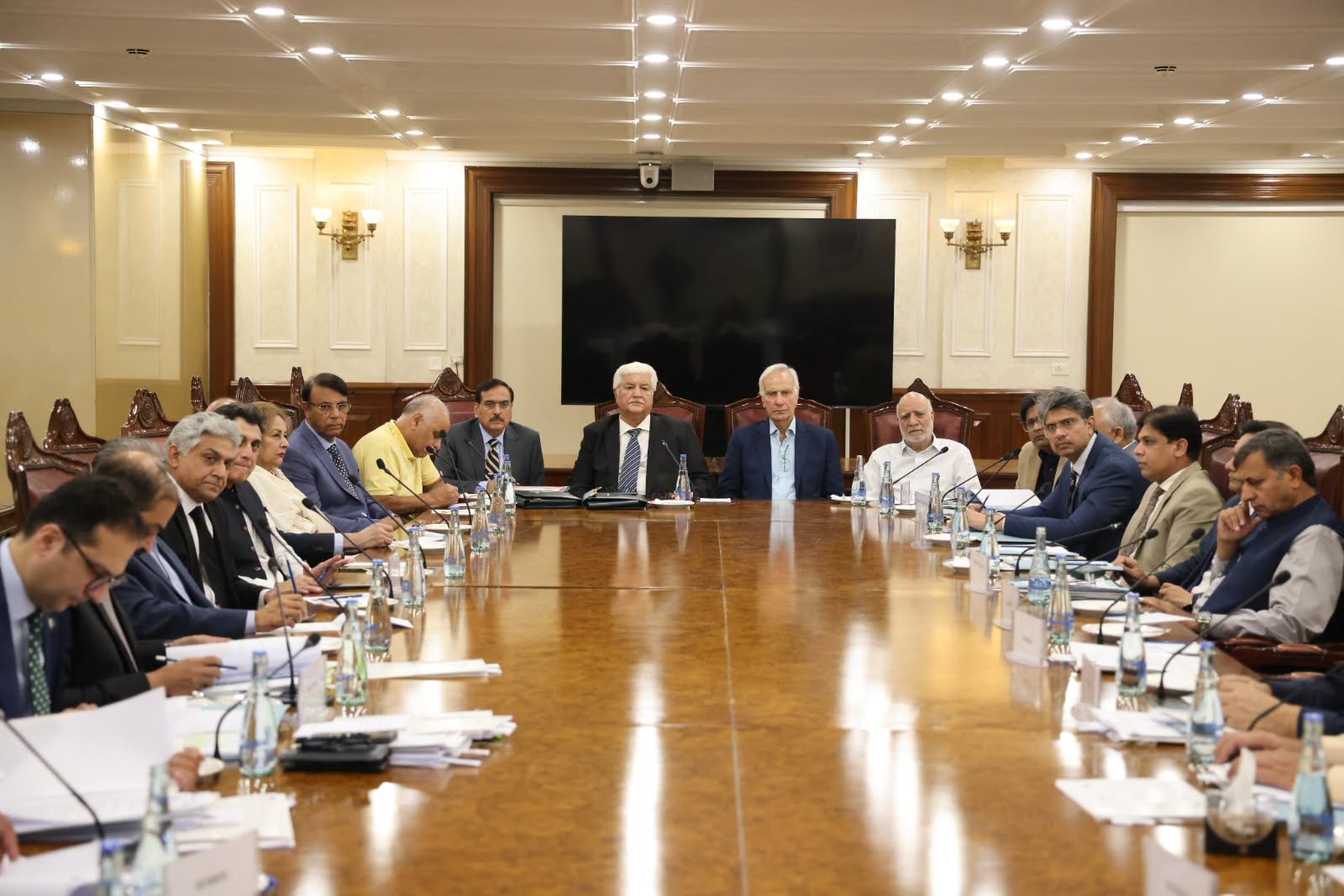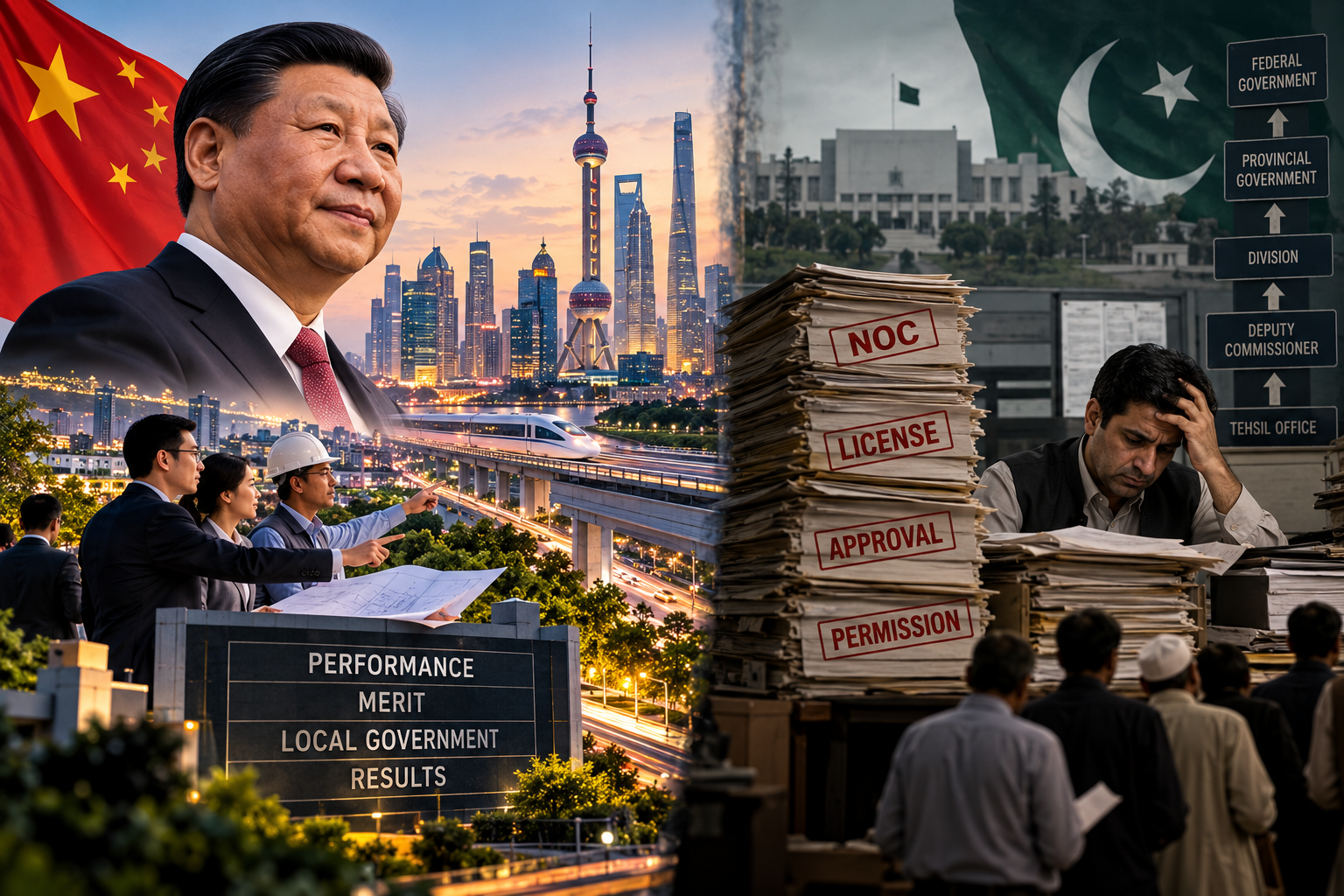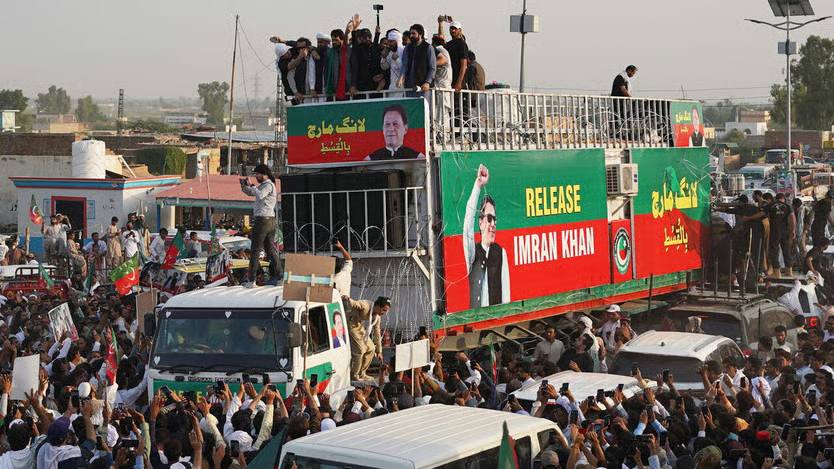

Reforming Pakistan’s legislature is a multidimensional endeavor; it spans who gets into legislatures, how they are trained and supported, how they operate internally, and how they interact with other institutions and the public. At its heart, the reform thesis is simple: Pakistan’s legislators must be transformed into true professionals and leaders of governance.
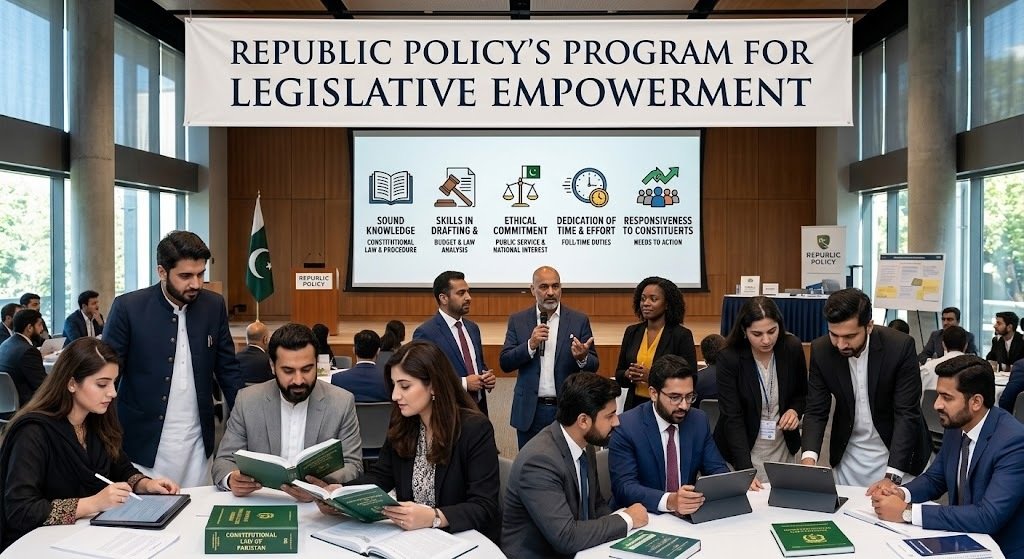
A professional legislator in Pakistan’s context would possess:
- Sound knowledge of constitutional law, parliamentary procedure, and public policy issues,
- Skills in drafting laws, scrutinizing budgets, and debating constructively;
- Ethical commitment to public service, transparency, and the national interest above personal or parochial interests;
- Dedication of time and effort, treating legislative duties as a full-time job deserving their best energies, and
- Responsiveness to their constituents and country, turning people’s needs into legislative action.
It must be emphasized that strengthening the legislature is strengthening democracy itself. Pakistan has witnessed periods where non-democratic forces capitalized on legislative ineffectiveness to argue that only technocrats or dictators could run the country. The best rebuttal to such narratives is a parliament that performs, one that solves people’s problems through law and holds the powerful accountable through questions and inquiries. When people see Parliament as a solution body rather than a talk shop, their faith in democracy will deepen. Moreover, a competent legislature can assert civilian supremacy in state affairs in a credible way, ensuring that the balance of civil-military relations and other power equations moves in favor of constitutional norms.