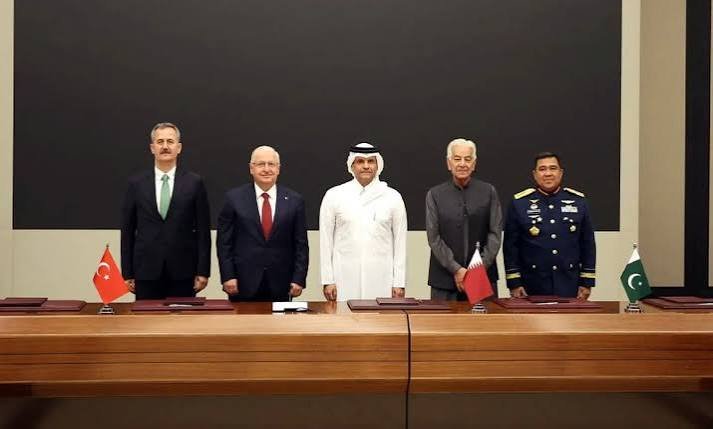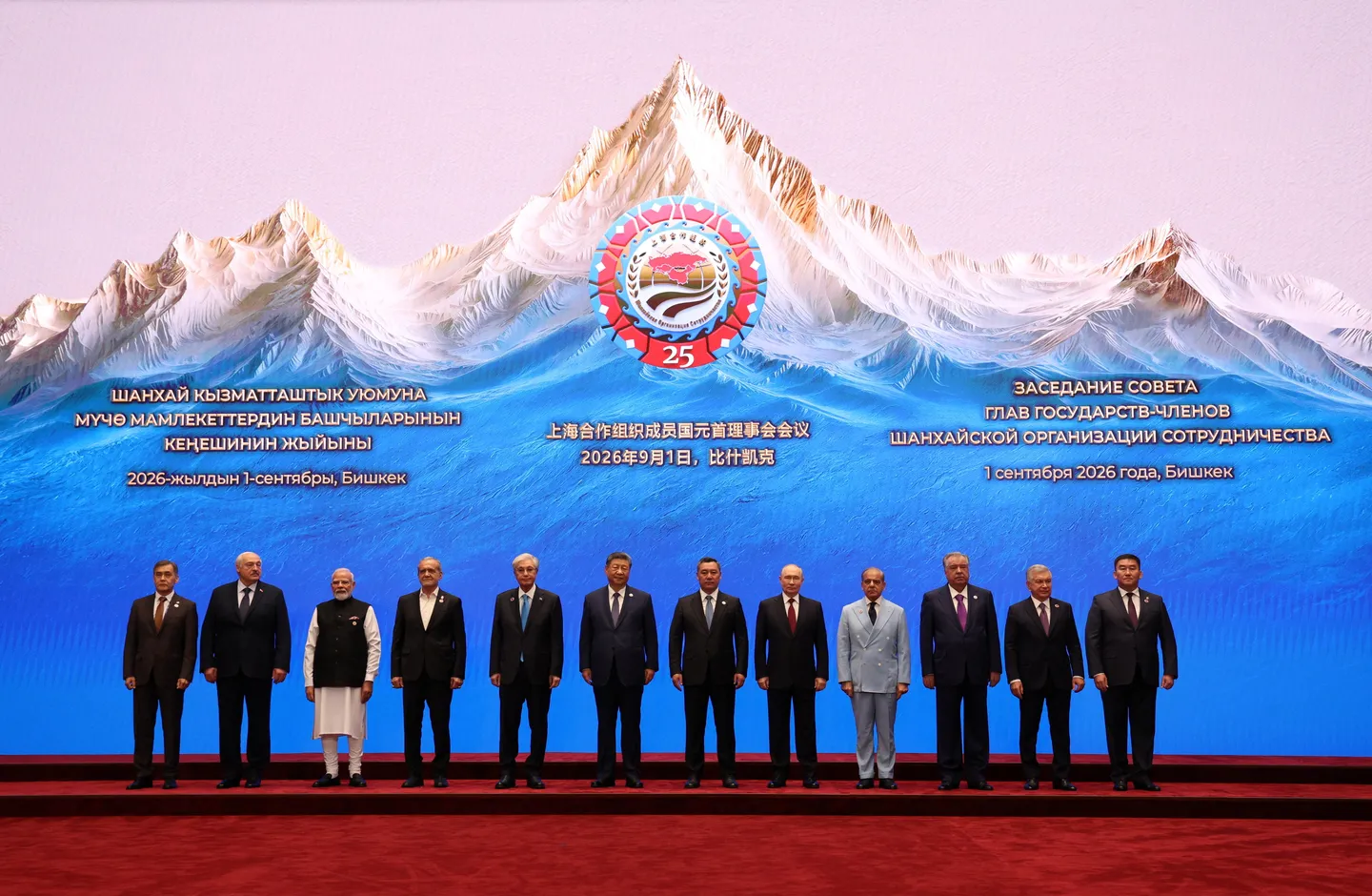

Prime Minister Shehbaz Sharif has said the trilateral Makkah Agreement for Joint Defence, involving Pakistan, Saudi Arabia, and Türkiye, is fundamentally defensive and not directed at any other state. “It is neither directed against any state nor intended to create any confrontation or division,” he told the Shanghai Cooperation Organisation (SCO) Council of Heads of State summit in Bishkek, Kyrgyzstan, on Tuesday.
Türkiye, Pakistan, and Saudi Arabia signed the pact on August 7 and held the first meeting of its Strategic Political and Defence Committee in Istanbul on Monday.
Turning to regional tensions, Sharif said Pakistan had acted as an honest and sincere mediator, with diplomatic efforts culminating in the Islamabad Memorandum of Understanding between the US and Iran, aimed at regional de-escalation. He described the memorandum as a critical step toward restoring peace and the most viable, enduring path to lasting regional stability.
Indus Waters Treaty
Sharif said water must never be weaponised or used as an instrument of coercion or political leverage, while reaffirming Pakistan’s commitment to combating terrorism. The remarks come as India has withheld water-sharing data from Pakistan under the Indus Waters Treaty since last year, following an attack in India-administered Kashmir that killed 26 people.
“Water is the life and blood of our region. It sustains millions of lives, nourishes our land and secures the very future of our coming generations,” Sharif said, without directly naming New Delhi. “The treaties governing our shared waters are solemn, binding international commitments. They are not matters of political convenience to be cast aside at your will. They must be honoured unconditionally, in both letter and spirit.”
SCO Chairmanship
Sharif said more than 90,000 Pakistanis have been killed and the country has suffered economic losses exceeding $150 billion over 25 years of fighting terrorism. He also called on the international community to honour its commitment to helping the Palestinian people, alongside other oppressed nations, secure their fundamental right to self-determination.
As Pakistan assumes the SCO chairmanship, Sharif said Islamabad would prioritise connectivity, artificial intelligence, energy, poverty reduction, disaster management, and health. He also proposed establishing an SCO framework for sovereign AI infrastructure and governance, aimed at promoting responsible and inclusive development of the technology.