
Pakistan’s latest economic indicators present a mixed picture. The government has reasons to point towards improving macroeconomic stability, but the recovery remains uneven. Stronger external inflows, rising foreign investment and growth in large-scale manufacturing are encouraging developments. Yet high production costs, weak private-sector credit and mounting pressure on households suggest that stabilisation has not translated into broad-based economic relief.
The current account deficit narrowed by 34 percent during the first two months of the current fiscal year, largely supported by higher remittances. This increase is particularly notable given the ongoing conflict in the Middle East, which might otherwise have been expected to disrupt earnings and transfers from Pakistani workers in the Gulf.
One explanation is that workers from some other countries have left the Gulf because of the war, while many Pakistanis have remained. Greater use of formal banking channels may also have contributed to the increase in recorded remittances. However, the sustainability of this trend remains uncertain. If the regional situation changes, the factors currently supporting these inflows may change with it.
The government has also strengthened its external position through a $3 billion Eurobond issuance in two tranches. The first consists of $1.75 billion in bonds with a maturity of five and a half years and a coupon rate of 7.5 percent. The second comprises $1.25 billion in 10-year bonds carrying a coupon rate of 7.9 percent.
These rates are lower than the government’s domestic borrowing costs, making the issuance attractive from a financing perspective. Nevertheless, the debt is denominated in US dollars. With the rupee historically depreciating by an average of 3 to 4 percent annually, the exchange-rate implications of repayment cannot be overlooked.
Foreign direct investment offers another cautiously encouraging signal. Investment during July and August 2026 increased by 24 percent compared with the corresponding period of the previous year, supported by stronger inflows in August.
The Finance Division reported investment of $223.6 million in July 2026, compared with $178.6 million in July 2025. State Bank figures placed total investment for July and August 2026 at $495 million, implying August inflows of $316.4 million, against $398.6 million in August 2025. The Finance Division’s reported August figure of $364.3 million also differs from the amount implied by the State Bank data.
These figures require careful interpretation. Although the reported two-month increase is welcome, the overall volume of foreign investment remains modest compared with other economies in the region. Pakistan needs sustained investment rather than occasional improvements in monthly inflows.
Large-scale manufacturing provides a similarly complicated picture. The sector recorded growth of 3.03 percent year-on-year and 9.51 percent month-on-month. Such growth can contribute to higher economic output and employment, making it an important indicator of recovery.
However, the aggregate figures conceal difficulties within individual industries. Textile-sector representatives claim that more than 100 units have closed because of rising input costs, including costs associated with administrative measures introduced under the International Monetary Fund programme.
Private-sector credit figures also point to continuing pressure. According to the Finance Division’s monthly update, credit flows to the private sector moved from negative Rs232.1 million during July–August 2025 to negative Rs393.4 million during the corresponding period of 2026.
At the same time, the automobile sector recorded growth of 57 percent, while garments expanded by 22 percent. These contrasting developments show why manufacturing performance should be examined across industries rather than judged solely through a headline growth rate.
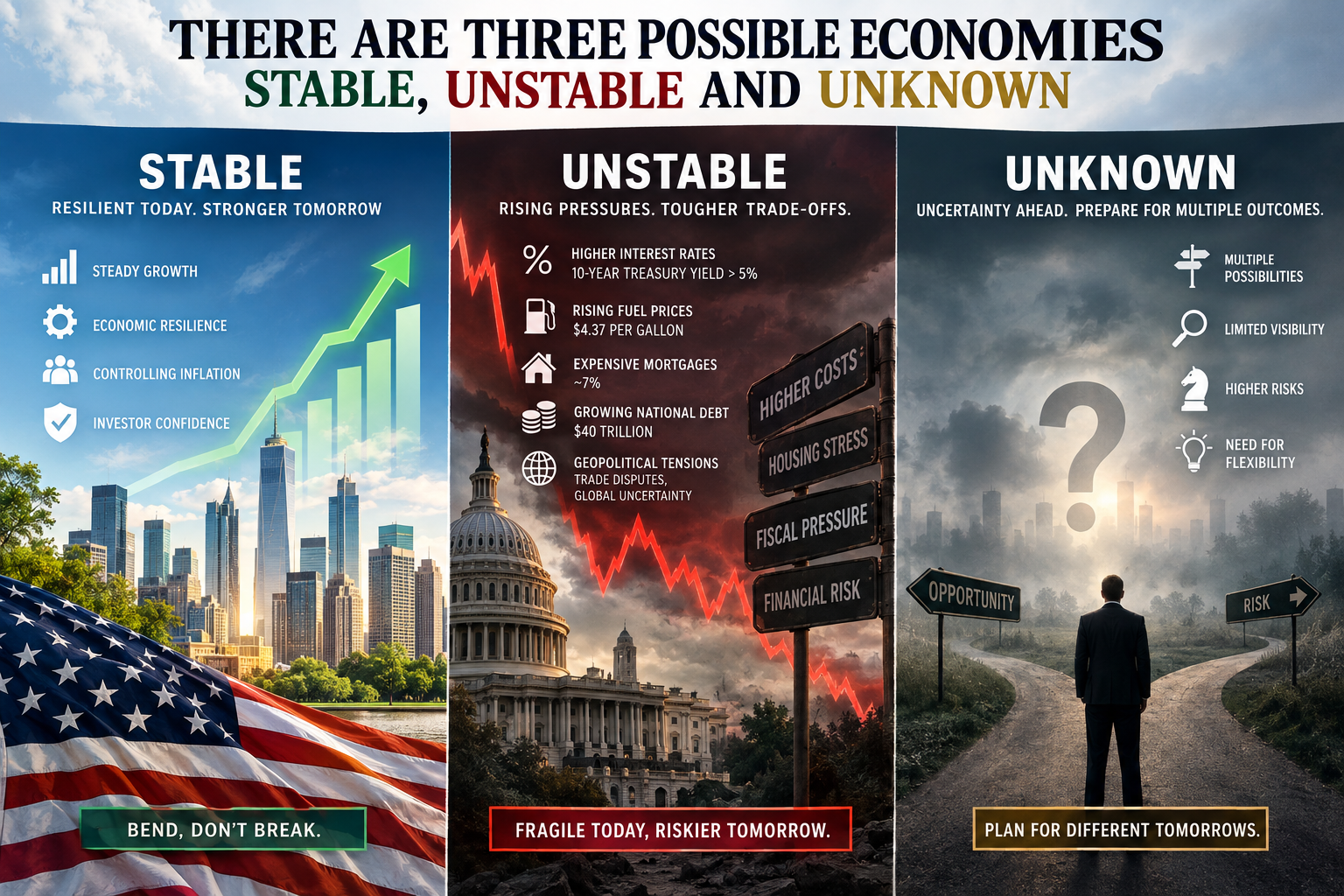
The wider international environment makes Pakistan’s economic management even more difficult. The Middle East conflict and the Russia–Ukraine war continue to disrupt energy supplies and global trade. With no clear end to either conflict, Pakistan cannot build its economic response around the assumption that external conditions will soon return to normal.
This is where economic policy must move beyond temporary relief measures.
The government has limited fiscal space, and repeated subsidies can place additional pressure on public finances. Relief may be necessary to protect vulnerable households, but it cannot substitute for a longer-term strategy to manage energy demand, reduce expenditure and strengthen the economy’s ability to withstand external shocks.
An energy-sector plan is particularly important. Pakistan must prepare for a situation in which imported fuel remains expensive and supplies remain uncertain. Reducing demand for petrol and fuel used in electricity generation should therefore become a central part of economic planning.
Expenditure restraint is equally necessary. Lower government spending would reduce the pressure to generate additional revenue through familiar measures such as higher taxes or the expansion of existing taxes.
For ordinary Pakistanis, these questions are not abstract. Frequent increases in fuel prices affect transport, electricity and the cost of daily life. Improvements in reserves or the current account offer limited comfort when household expenses continue to rise.
Pakistan’s economic indicators show progress, but they also reveal the limits of that progress. External financing and remittances have helped stabilise the economy, while manufacturing and investment offer signs of recovery. Yet the pressures facing businesses and households remain substantial.
The next challenge is to turn macroeconomic stabilisation into a durable economic strategy. That requires planning for prolonged global disruption, addressing high energy costs and reducing the fiscal pressures that repeatedly lead to new taxes and short-term relief packages.
Stabilisation is an important achievement, but its value will ultimately depend on whether it produces a more resilient economy and meaningful relief for the people.