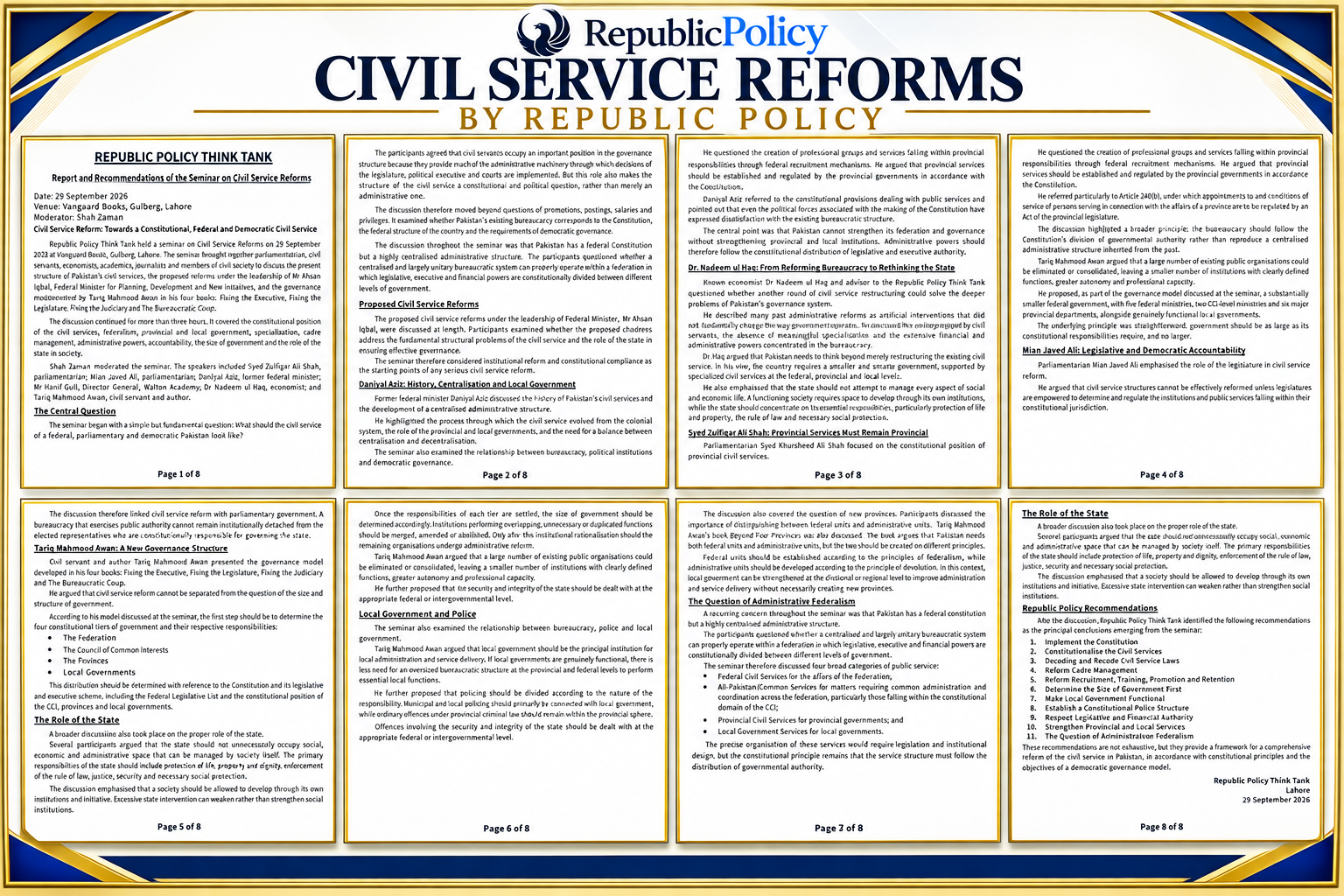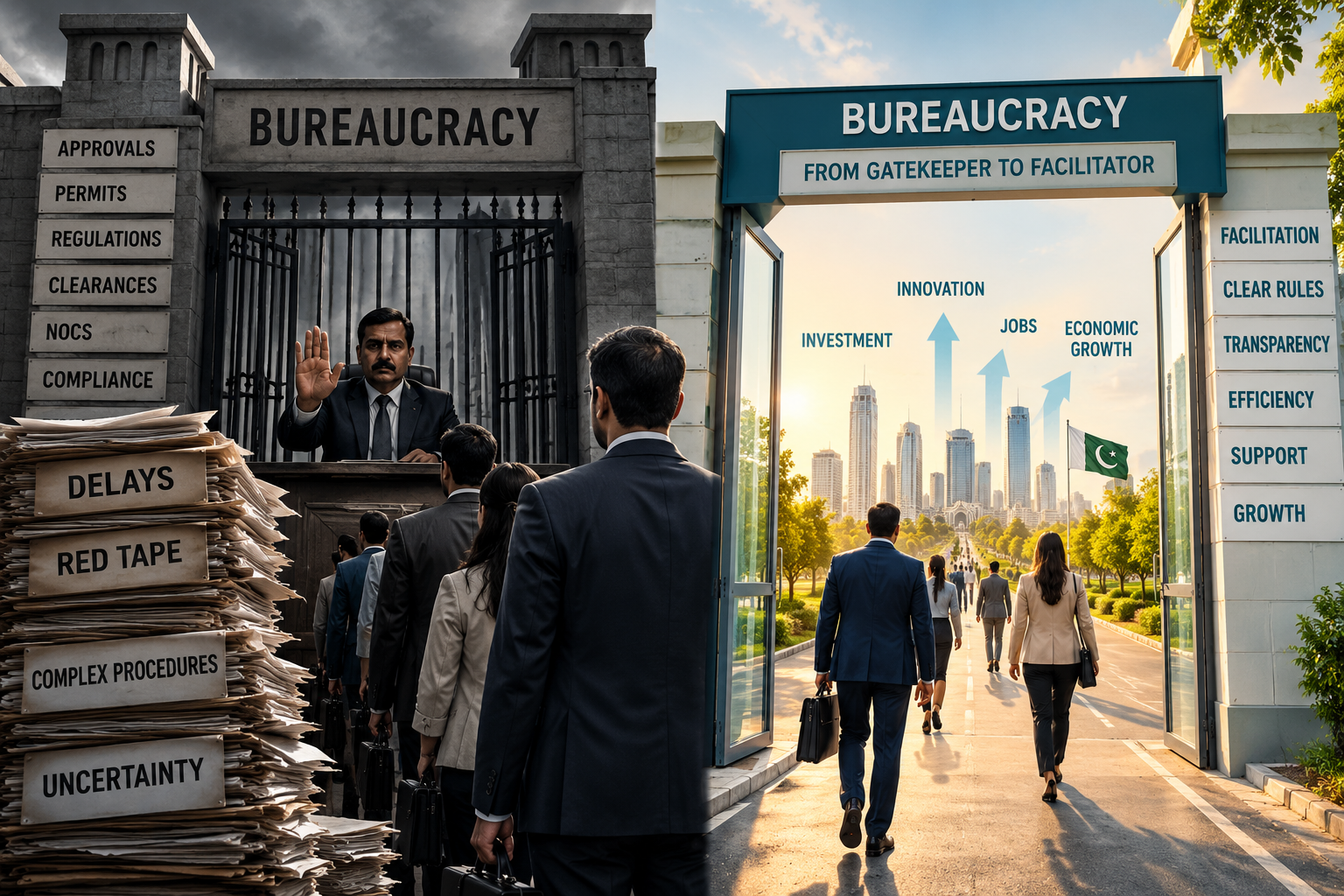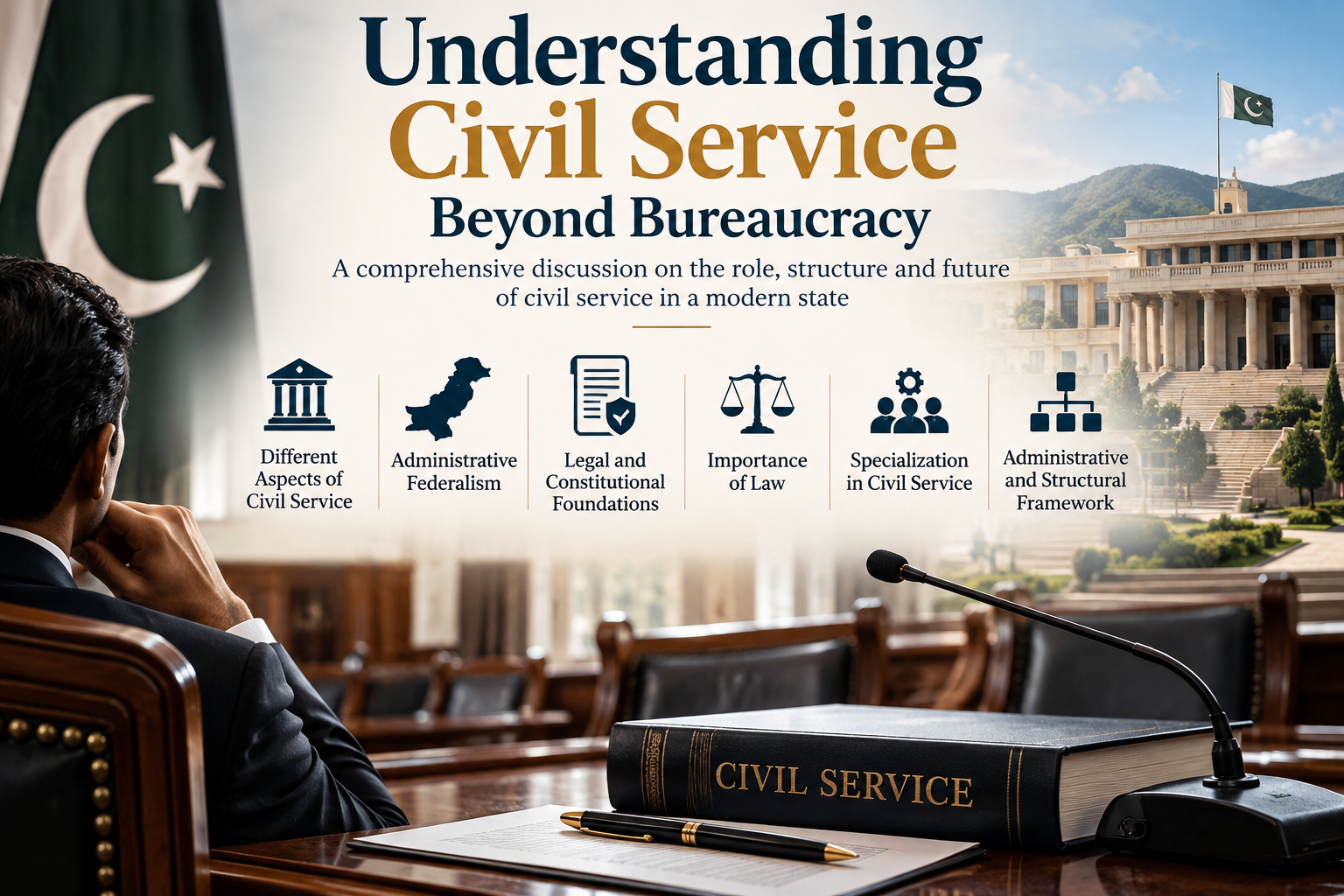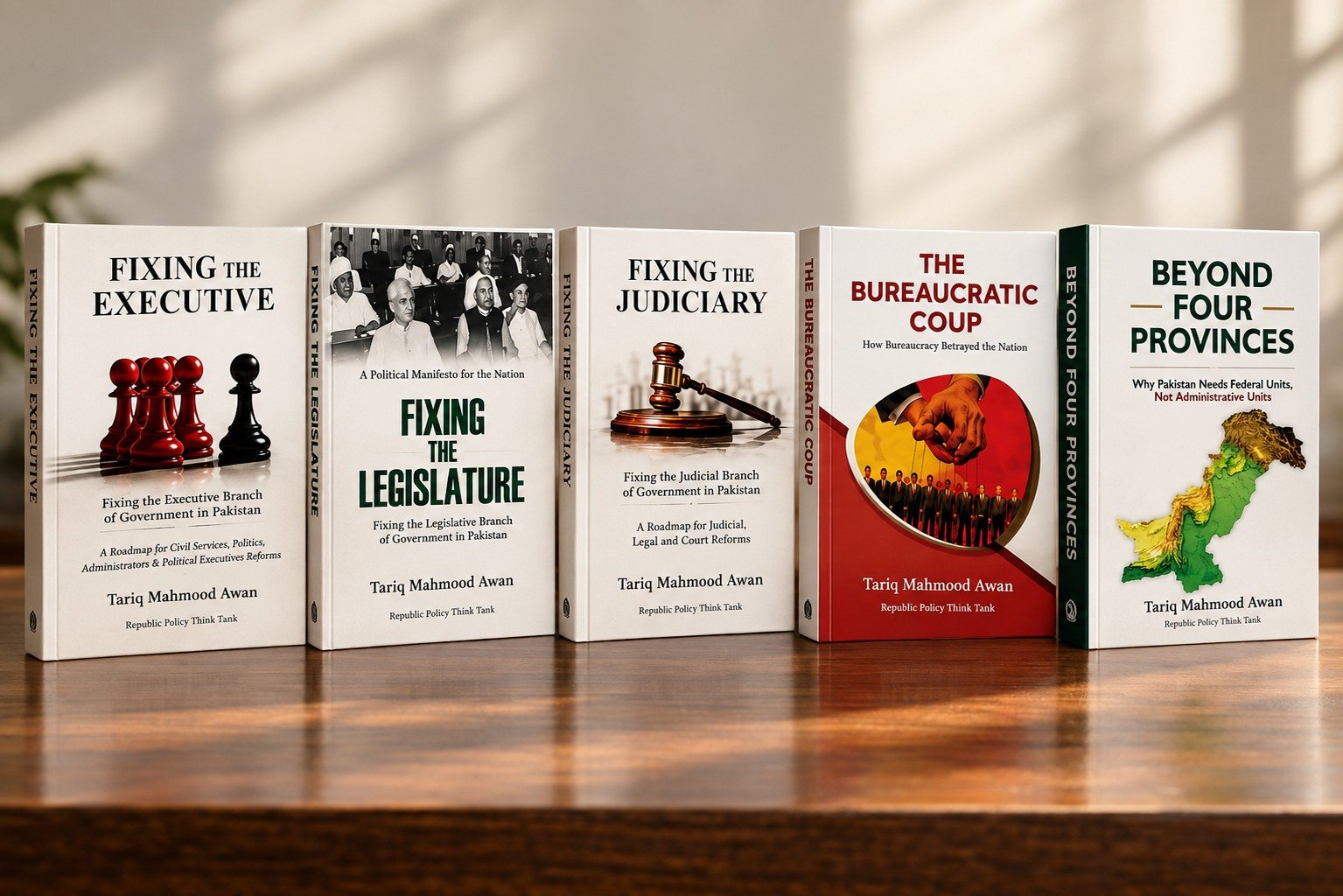

Civil service reform is not a new debate in Pakistan. Over the past 78 years, successive attempts have been made to improve the country’s administrative system. Yet a fundamental question remains: if reforms have repeatedly been introduced, why do the underlying problems of the civil service continue to persist?
This question formed the central theme of author Tariq Mahmood Awan’s opening address at Republic Policy’s seminar on civil service reforms. Reviewing the basic structure of Pakistan’s civil service, he outlined the principal reasons why previous reform initiatives have failed to produce the desired results.
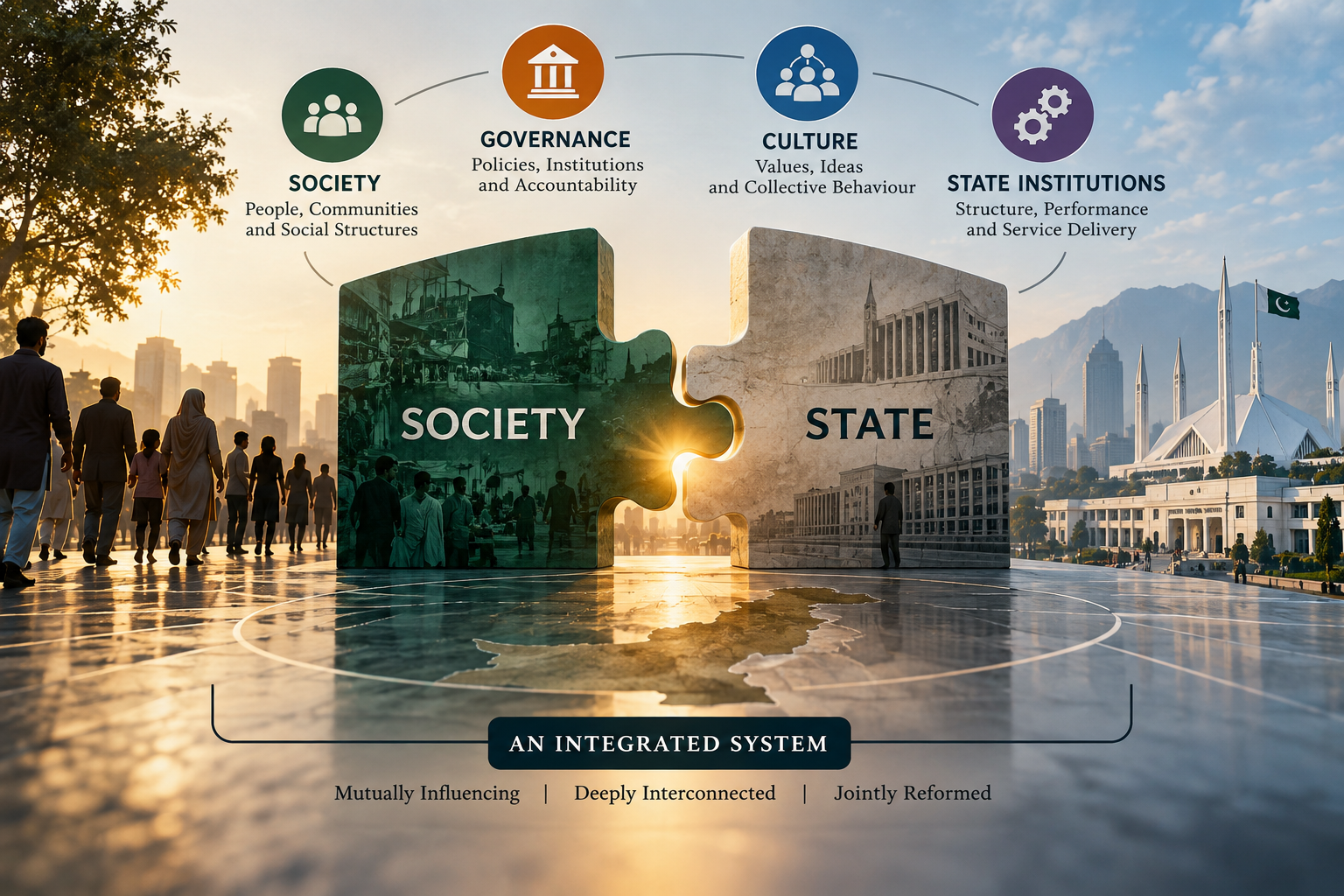
A central argument of his address was that civil service reform cannot be confined to limited administrative adjustments. Meaningful reform requires examining and restructuring the institutional foundations within which the civil service operates. If the underlying structure remains unchanged, piecemeal reforms are unlikely to produce lasting transformation.
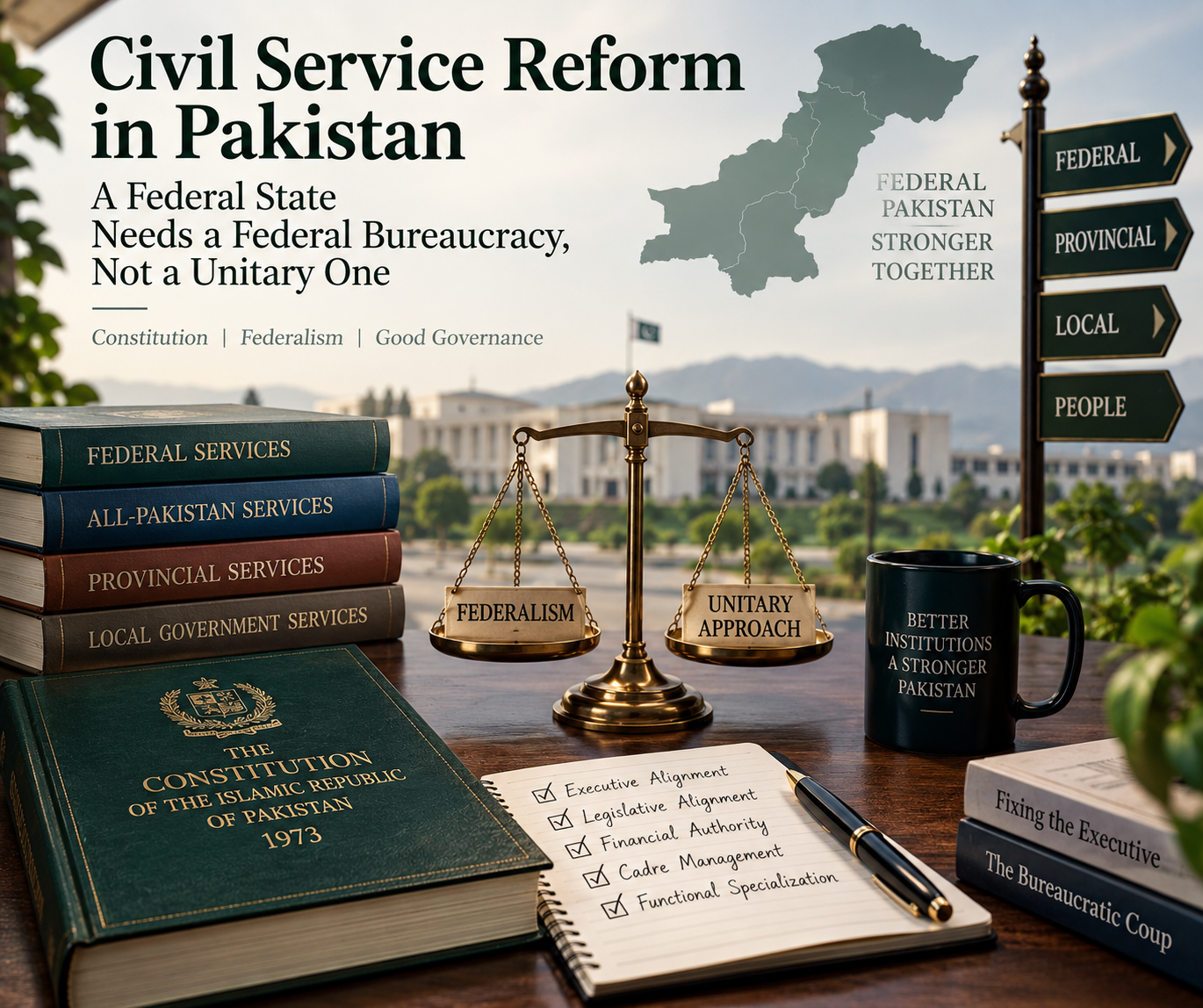
Against this background, Tariq Mahmood Awan presented a practical and pragmatic framework for civil service reform before the participants. The proposed framework brought together the fundamental dimensions and essential components required for restructuring the civil service within a coherent reform model.
The discussion therefore raises a more fundamental question about Pakistan’s reform experience. The challenge is not merely how the existing civil service can be improved, but whether its current administrative structure itself is compatible with the requirements of meaningful and effective reform.
To learn more about the proposed framework and Republic Policy’s civil service reform proposals, contact us at the number provided below.
0341-4222501