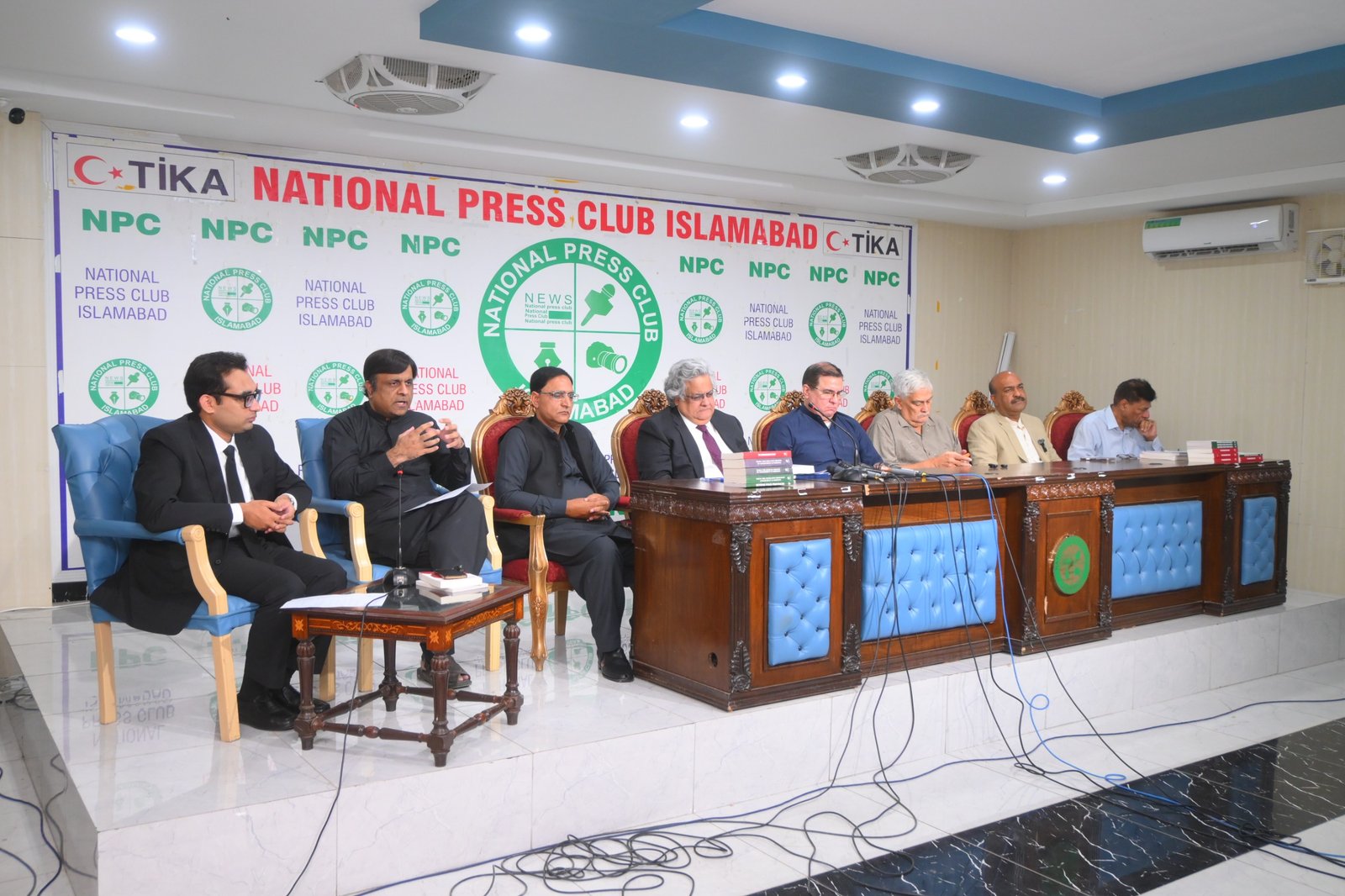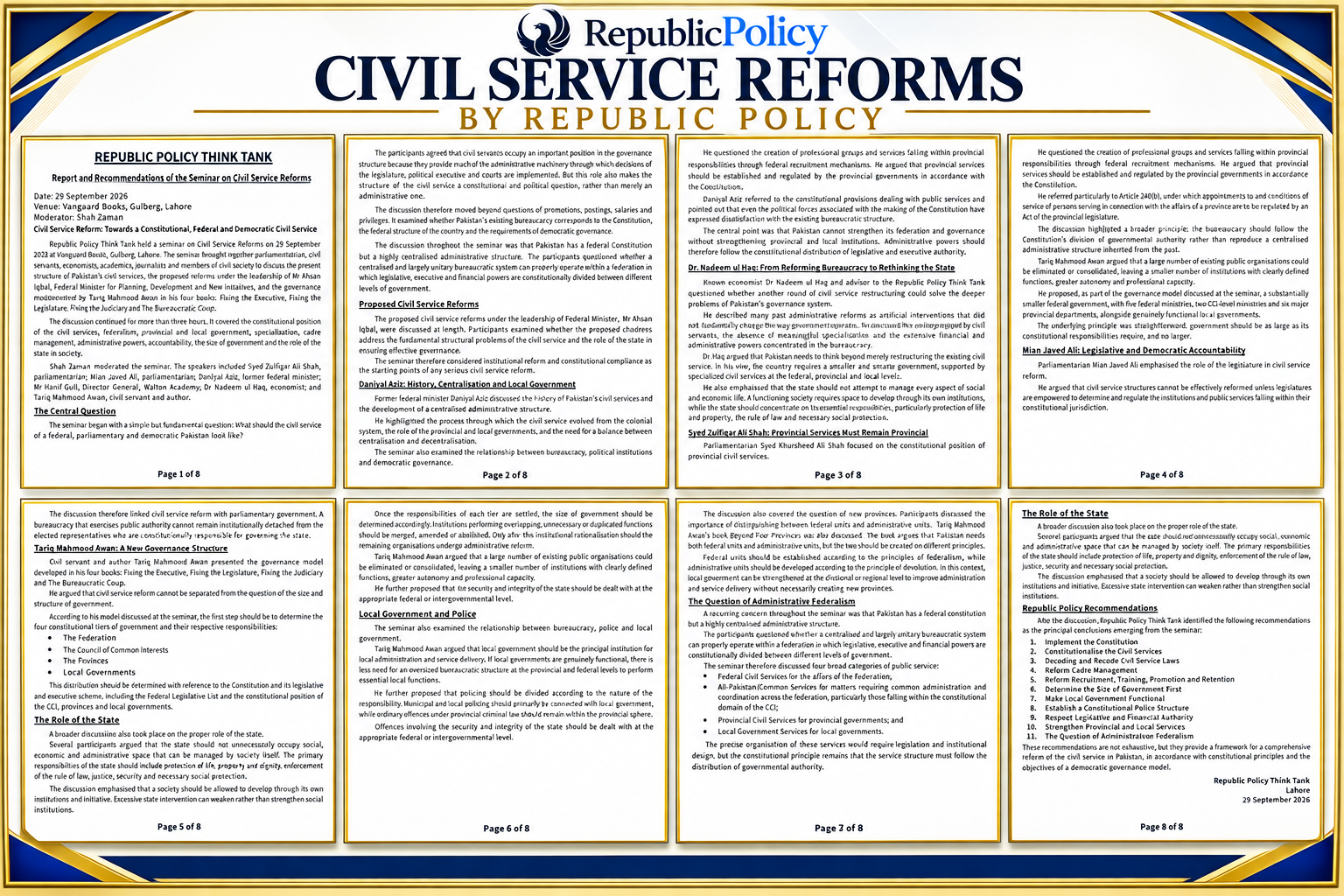

In a scathing critique of Pakistan’s lingering colonial governance framework, renowned economist Professor Dr. Nadeem ul Haque highlighted the urgent, non-negotiable imperative of dismantling the country’s colonial administrative inheritance to unlock true economic, institutional, and social development. Delivers a keynote address at a high-level policy forum organized by the Republic Policy think tank, Dr. Haque underscored that the civil service—in its current structure—functions primarily as an entrenched “gatekeeper” designed to control and extract rather than enable and serve.
Dr. Haque argued that the paternalistic, authoritarian ethos of the current bureaucratic apparatus directly impedes economic progress, market dynamism, and administrative efficiency. By preserving an administrative monopoly designed under British colonial rule to maintain subjugation rather than foster economic production, the state continues to suffocate private enterprise, academic innovation, and local self-governance. He emphasized that genuine economic transformation cannot occur within an administrative architecture where civil servants hold arbitrary discretionary power over regulatory approvals, market access, and policy execution.
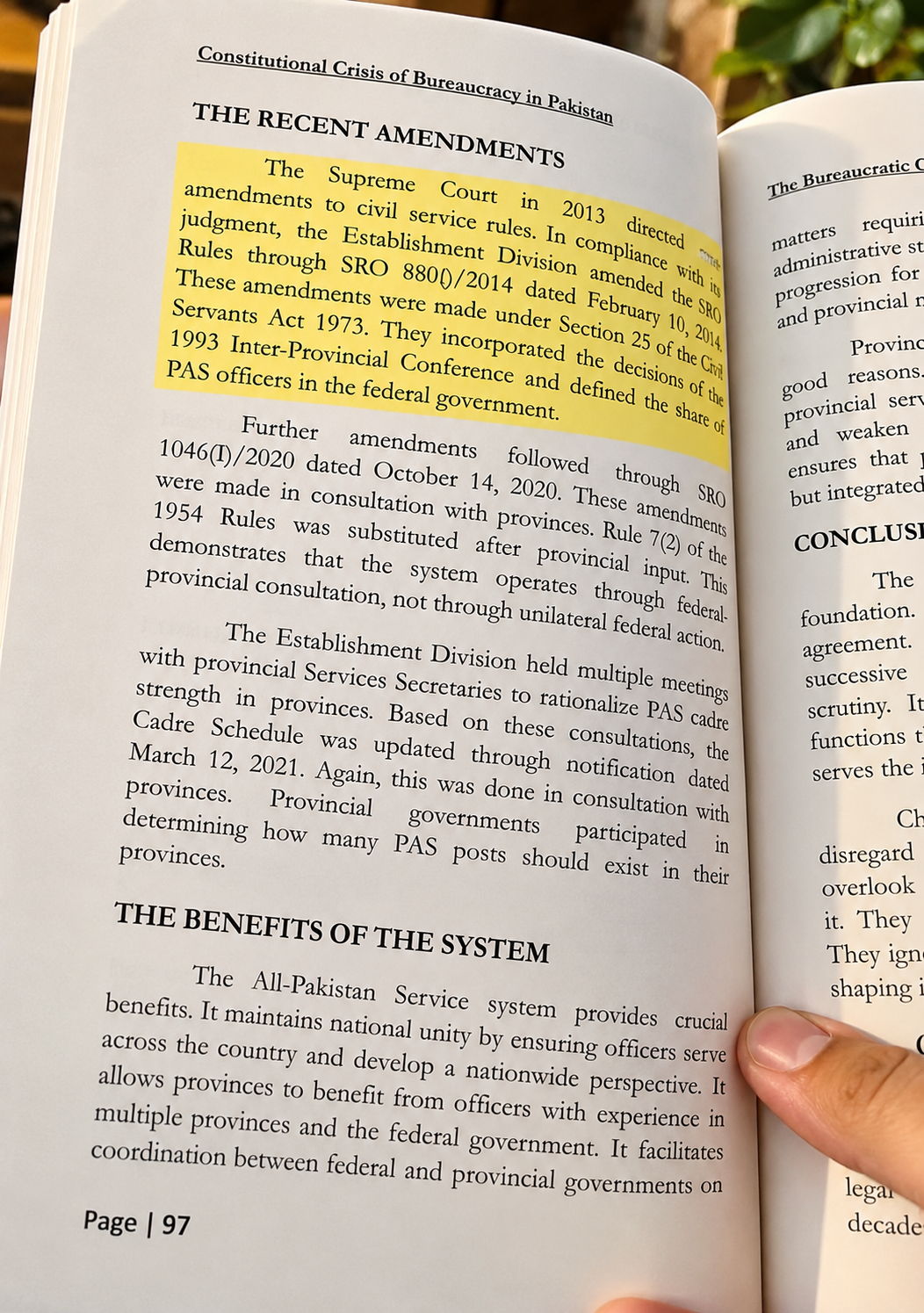
Echoing these concerns, Republic Policy reaffirmed that true civil service reform must move beyond superficial cosmetic changes—such as minor pay adjustments, title changes, or isolated training modules. Instead, the country requires a fundamental restructuring grounded in constitutional federalism, professional specialization, democratic accountability, and a complete alignment with modern market economics. Restructuring the civil service around constitutional mandates across federal, provincial, and local spheres remains the only path toward replacing colonial control with accountable public service.
Contact Information
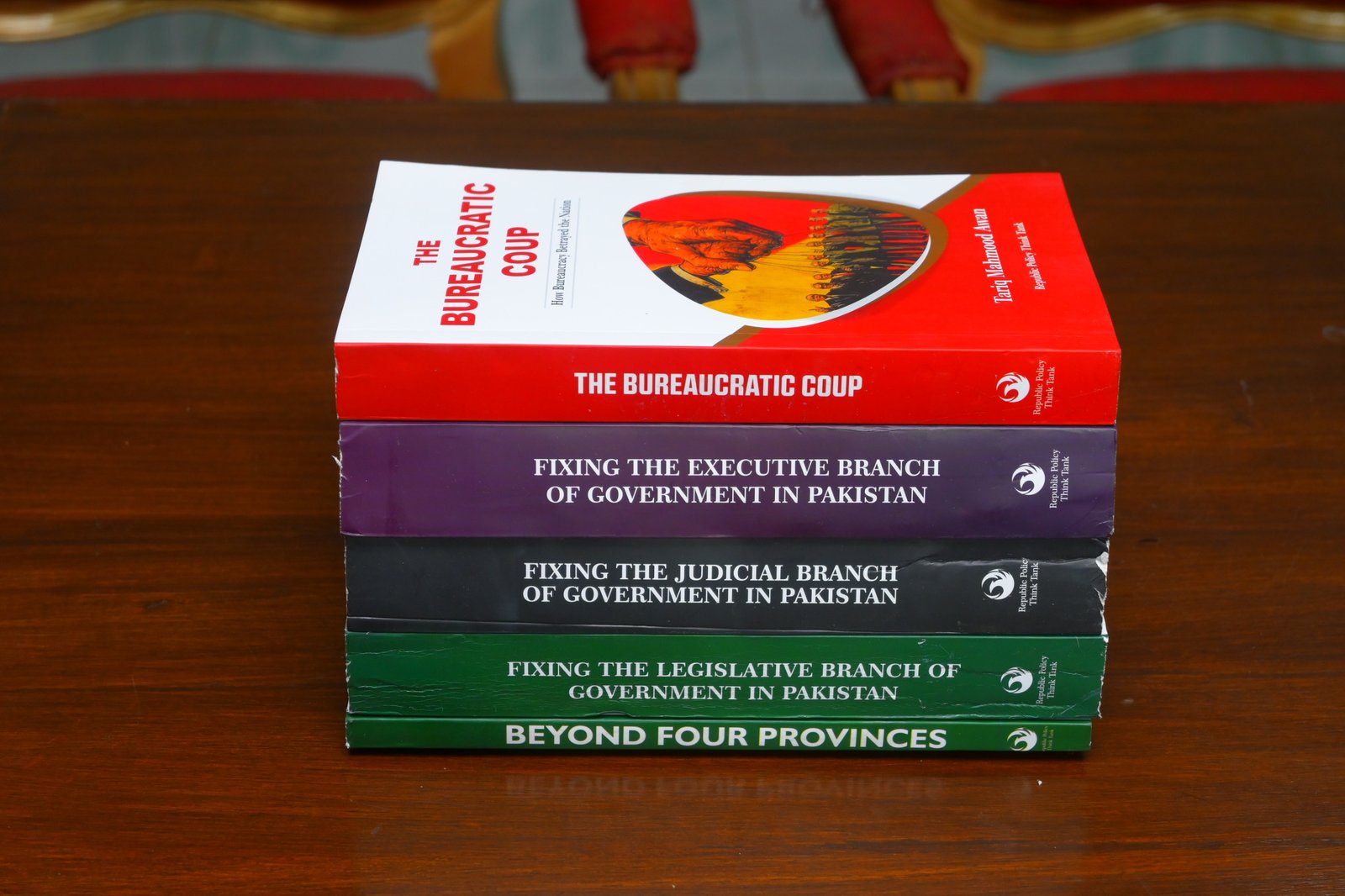
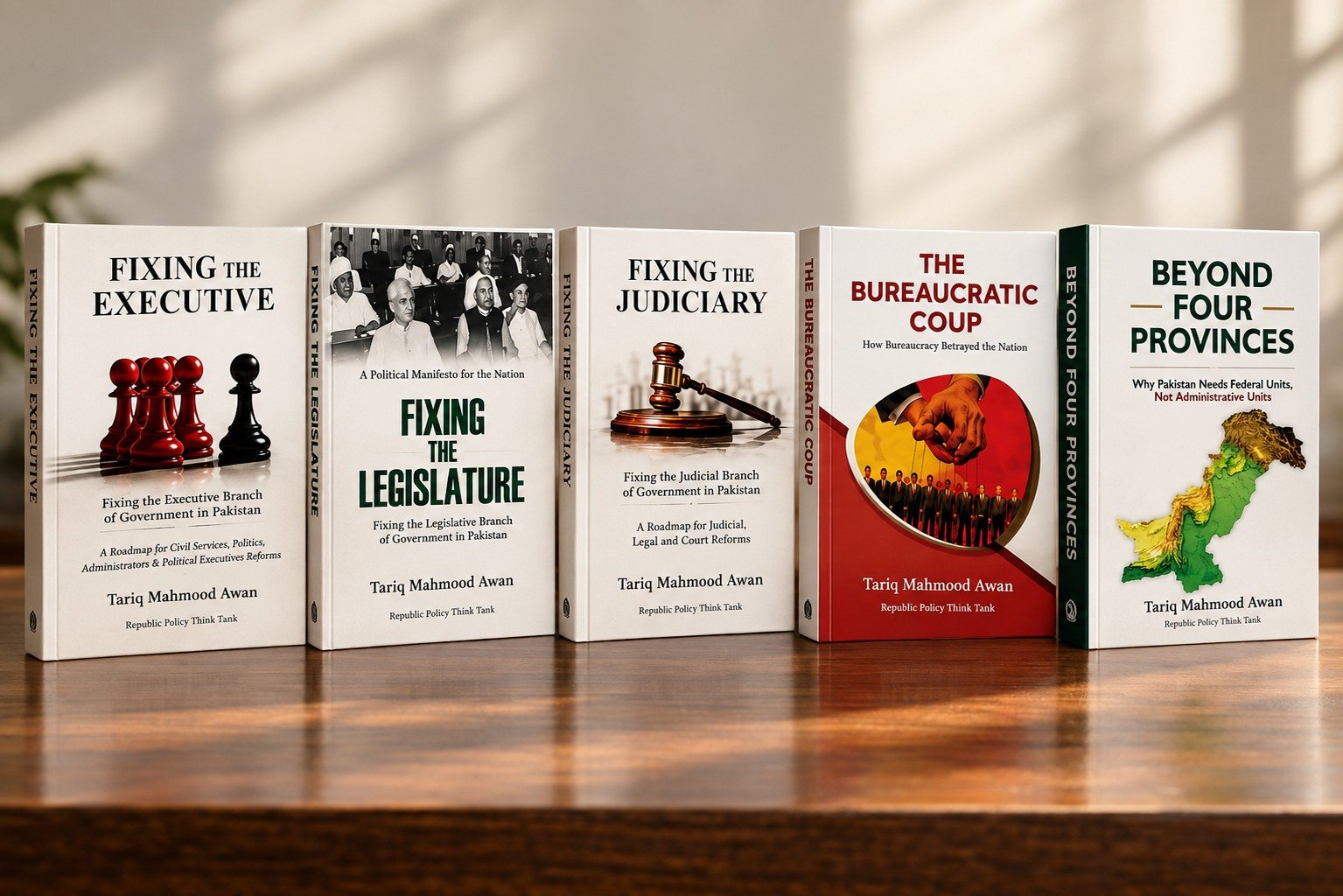
For access to Republic Policy’s research publications, policy briefs, and foundational books on civil service and institutional reforms, connect via WhatsApp: 0341-4222501