

Public Alert System Ceased Prior to Lethal Assaults
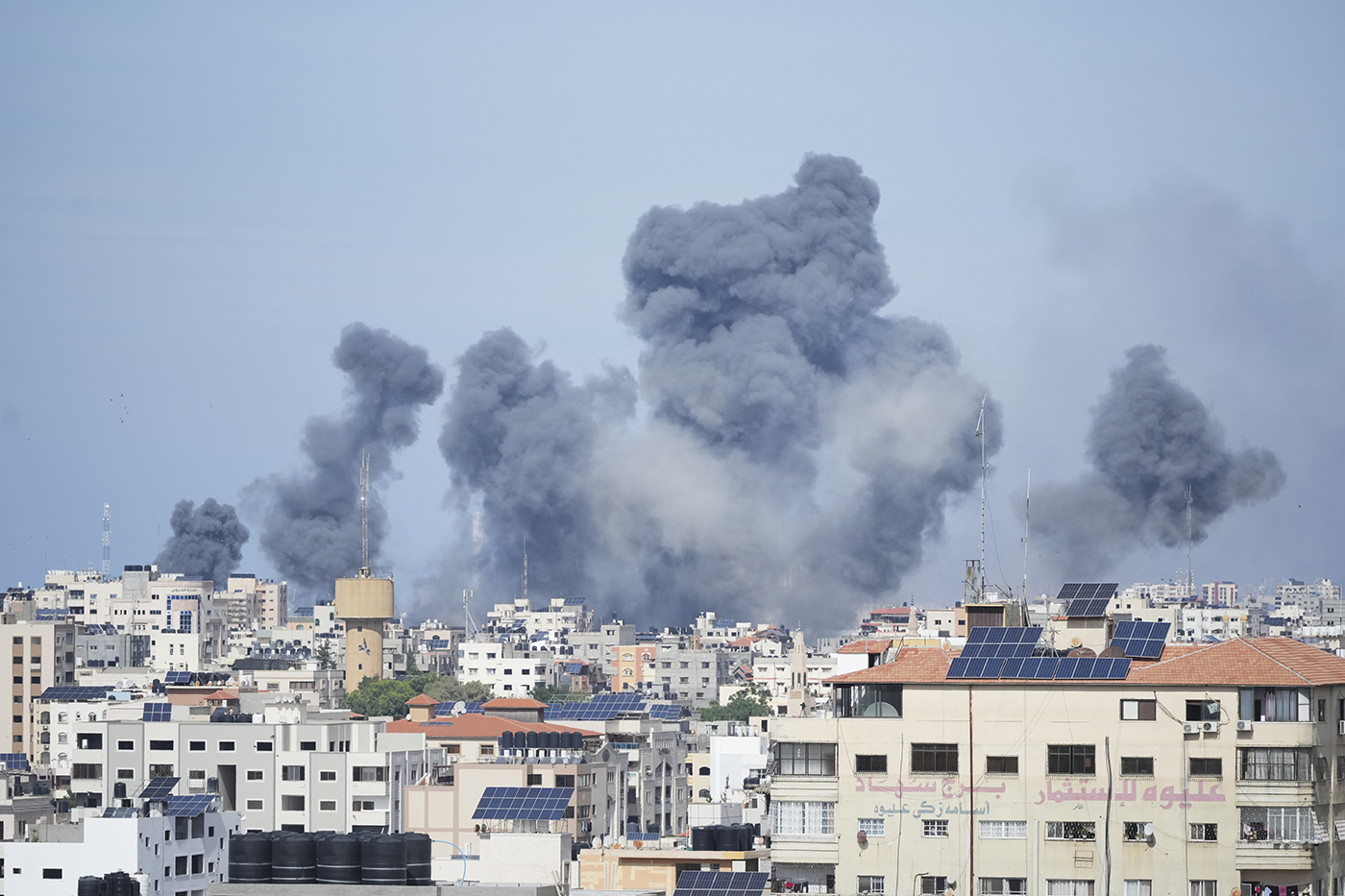
Days before a wave of lethal missile and drone strikes targeted King Khalid International Airport in Riyadh—killing at least 18 people and injuring over 300—Saudi Arabian authorities quietly halted the issuance of public warnings regarding incoming military threats. Despite four separate strikes hitting the capital’s primary airport complex over the past week, the Saudi government has offered no official explanation for why the public alert mechanisms remained silent during the escalating crisis.
Strategic Dilemma Between Crisis Management and Normalcy
Previously, public alerts served as an essential safety protocol, though they simultaneously exposed the growing violent incursions disrupting the kingdom’s internal stability amid its ongoing conflict with Yemen’s Iran-aligned Houthi movement. According to regional political analysts and diplomatic sources, the decision to suspend public warnings reflects a deliberate effort by Riyadh to maintain a narrative of calm, project stability to international investors, and prevent widespread panic among residents and visitors.
Growing Questions Over Security Preparedness
The absence of timely air-raid warnings during the airport strikes has intensified scrutiny from Western and Arab officials regarding Saudi Arabia’s defense readiness and public safety protocols. Analysts note that the government faces a delicate balancing act: sustaining active military operations in the region while attempting to reassure domestic populations and external stakeholders that normal economic and social life can continue uninterrupted.
Contact Information
For access to Republic Policy’s research publications, policy briefs, and regional geopolitical risk assessments, connect via WhatsApp: 0341-4222501