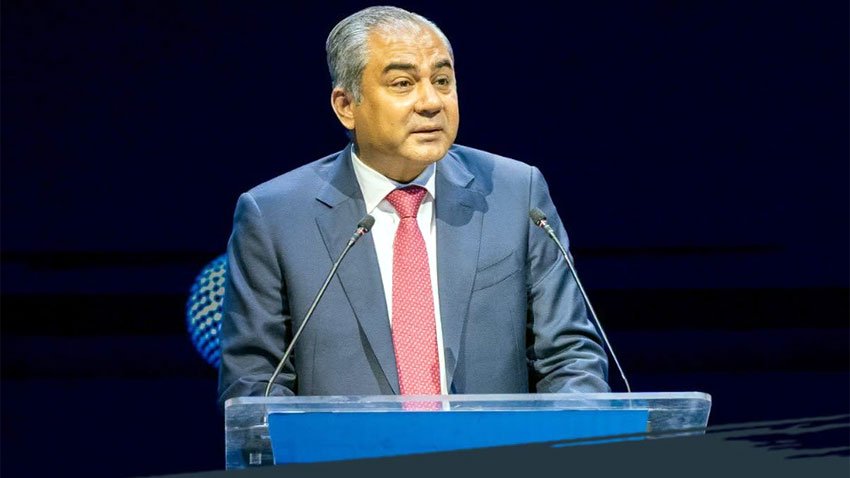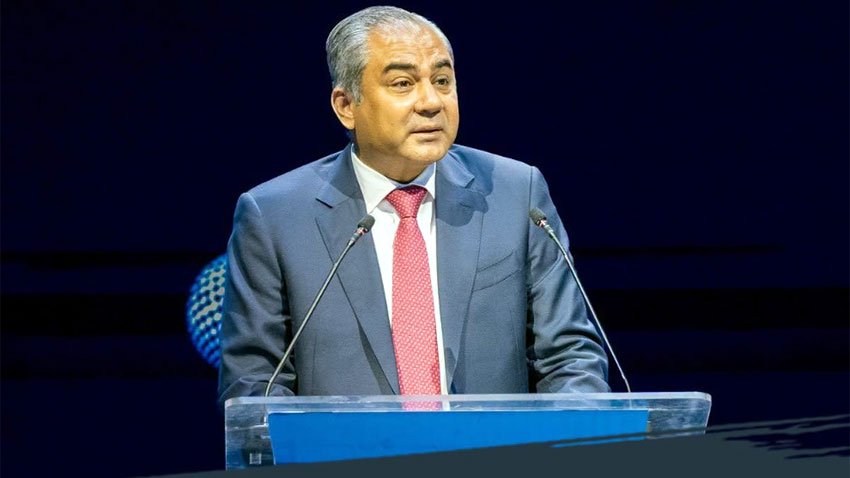

KARACHI: Federal Board of Revenue (FBR) Chairman Rashid Mahmood Langrial has called upon Pakistani exporters to strengthen their presence in international markets, emphasising the importance of industrial competitiveness, tax reforms and closer cooperation between government institutions and the business community to accelerate export growth.
During a meeting with a delegation of the Korangi Association of Trade and Industry (KATI), headed by its President Sheikh Umer Rehan, the FBR chairman outlined the government’s ongoing efforts to modernise tax administration, improve regulatory compliance and address obstacles confronting Pakistan’s industrial and export sectors.
Langrial assured the business community that the FBR would soon initiate consultations with leading exporters to identify structural and administrative challenges affecting export performance and explore practical measures to overcome them.
The discussions covered a broad range of economic and regulatory issues, including digital invoicing, tax system modernisation, industrial taxation, smuggling, regulatory complexities and the competitiveness of Pakistani products in international markets.
Highlighting the importance of technological reforms, the FBR chairman said the revenue authority was advancing the digitalisation of Pakistan’s taxation system and introducing automated mechanisms to identify individuals and businesses operating outside the formal tax framework.
He maintained that expanding the tax base through modern administrative systems was essential to improving revenue collection and strengthening transparency.
To facilitate more effective communication between tax authorities and industrial stakeholders, Langrial also proposed establishing dedicated WhatsApp groups connecting FBR officials with representatives of the business community.
The proposed arrangement would allow industrialists to communicate regulatory difficulties, operational concerns and policy recommendations directly to relevant officials, potentially improving the responsiveness of tax administration.
Addressing the challenge of illegal trade, the chairman stressed that controlling smuggling and undocumented commercial activities was necessary to safeguard domestic industries and create fairer conditions for legitimate businesses.
He assured the delegation that the concerns raised during the meeting would receive appropriate consideration and directed FBR Member Inland Revenue Operations Zubair Bilal to engage with KATI representatives and stakeholders from the ghee and edible oil industries to examine their outstanding issues.
Meanwhile, KATI President Sheikh Umer Rehan welcomed the government’s efforts to modernise tax administration but cautioned that the implementation of digital invoicing must account for the operational realities confronting industrial enterprises.
He argued that technological reforms could improve transparency and administrative efficiency only if businesses received adequate technical assistance, clear regulatory guidance and effective institutional support.
Rehan emphasised that digitalisation should simplify compliance rather than introduce additional difficulties for manufacturers and exporters.
He urged the government to establish practical coordination mechanisms through which businesses could report technical problems and obtain timely assistance without disrupting production and commercial operations.
The KATI president also raised concerns about the distribution of Pakistan’s tax burden, arguing that revenue collection should not remain disproportionately dependent on businesses already complying with taxation requirements.
He called for the systematic identification of untaxed economic activities and the consistent enforcement of tax laws across all legally taxable sectors.
According to Rehan, broadening the tax base and simplifying taxation procedures would help reduce compliance costs, encourage investment and create a more equitable business environment.
The delegation also highlighted regulatory difficulties affecting industries operating in Karachi’s Korangi Industrial Area, particularly manufacturers associated with the ghee and edible oil sectors.
Rehan urged the authorities to review unnecessary statutory regulatory orders (SROs), complicated taxation procedures and administrative requirements that increase production costs and undermine industrial efficiency.
He maintained that a simpler and more predictable regulatory environment would enable domestic manufacturers to compete more effectively with foreign producers and expand their market presence.
Representatives of the textile, pharmaceutical, packaging and plastics industries also brought sector-specific challenges to the attention of the FBR leadership.
The industrialists stressed that meaningful consultation between policymakers and manufacturers was necessary to ensure that taxation reforms achieved their intended objectives without creating unnecessary obstacles to economic activity.
They also emphasised that timely resolution of industrial grievances could strengthen confidence between government institutions and the private sector, encouraging investment, production and export development.
Among those participating in the discussions were KATI Senior Vice President Syed Farrukh Ali Qandhari, Vice President Nasir Sheikh, KITE Limited Chairman Zahid Saeed, Chief Executive Officer Saleem-uz-Zaman and several former association presidents.
Representatives of the Pakistan Vanaspati Manufacturers Association, including its Chairman Naveed Ahmed, also attended the meeting.
Senior FBR officials, including Member Inland Revenue Operations Zubair Bilal and Member Customs Operations Wajid Ali, participated in the consultations.
The meeting highlighted the continuing challenges facing Pakistan’s industrial sector as businesses seek greater regulatory certainty, simpler taxation procedures and improved institutional coordination.
While the FBR is pursuing digitalisation and broader tax compliance, industrial representatives have emphasised that administrative reforms must also reduce the cost of doing business and support productive economic activity.
The discussions underscored the importance of aligning revenue administration with industrial development and export promotion, particularly as Pakistan seeks to improve the international competitiveness of locally manufactured products.
The effectiveness of these initiatives will depend on how successfully the authorities translate their commitments into practical regulatory improvements and address the concerns raised by exporters and manufacturers.