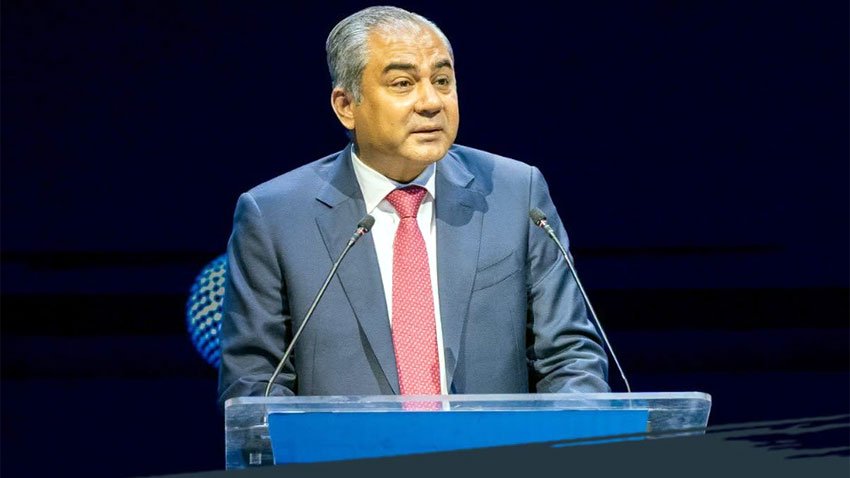

DOHA: Federal Interior Minister Mohsin Naqvi has called for sustained diplomatic engagement, mutual trust and international cooperation to prevent armed conflicts, warning that escalating geopolitical tensions pose serious threats to regional stability and global security.
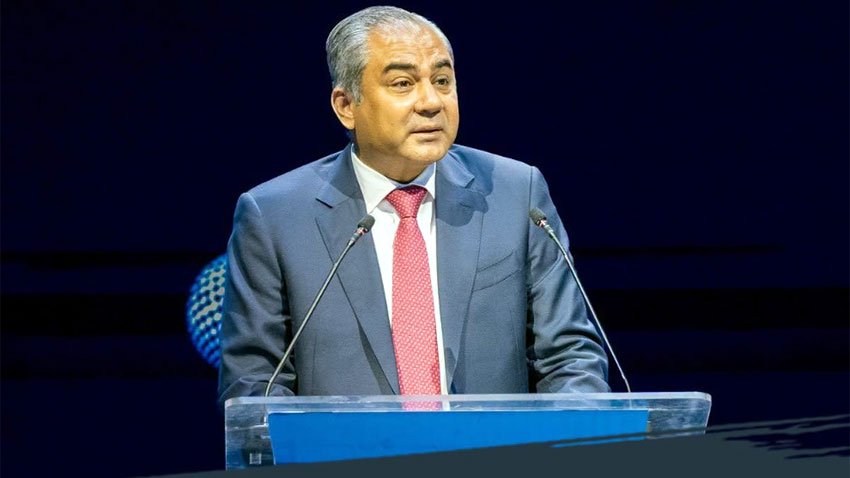
Addressing the Global Security Forum 2026 in Doha on Monday, Naqvi emphasised that meaningful peace requires continuous dialogue, political patience and a willingness among nations to resolve differences through negotiations rather than military confrontation.
Highlighting Pakistan’s diplomatic efforts during the recent confrontation between Iran and the United States, the interior minister said Islamabad had made every possible effort to reduce tensions and encourage both countries to return to the negotiating table.
He warned that the Iran-US conflict had generated significant security risks extending beyond the Middle East, with potentially far-reaching implications for international peace and stability.
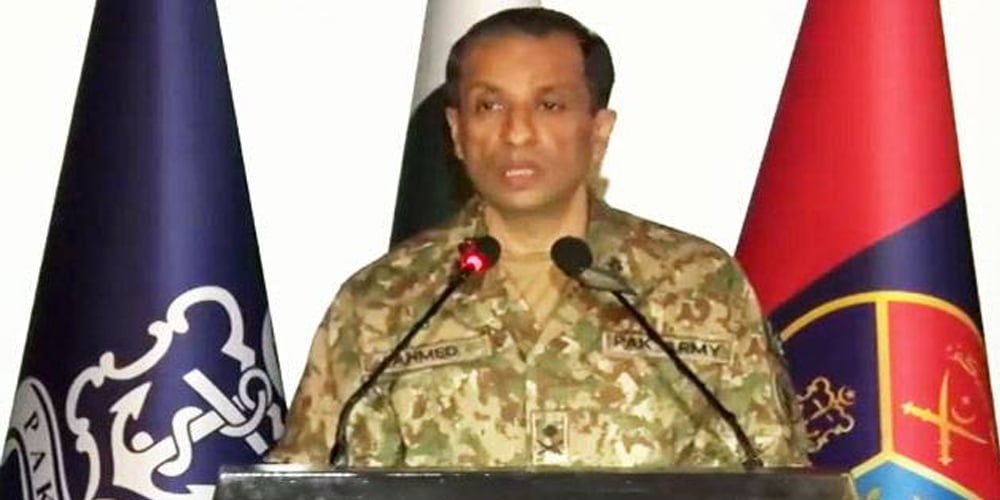
Naqvi particularly acknowledged the diplomatic role of Chief of Defence Forces and Chief of Army Staff Field Marshal Syed Asim Munir, stating that his engagement with international leaders and established diplomatic relationships had helped create opportunities for negotiations.
The minister said Pakistan’s efforts were not confined to diplomatic statements but involved direct engagement with relevant stakeholders. He referred to his own participation in peace initiatives, including visits to Tehran and discussions with senior Iranian officials aimed at facilitating dialogue and reducing tensions.
Emphasising the importance of sustained diplomatic efforts, Naqvi observed that peace could not be secured through isolated meetings or temporary political arrangements. Instead, he argued, successful conflict resolution depended on persistent negotiations, confidence-building measures and continued engagement between opposing parties.
The interior minister also addressed the recently concluded Makkah Joint Defence Agreement involving Pakistan, Saudi Arabia and Turkiye, clarifying that the trilateral arrangement was intended to strengthen collective defence rather than facilitate military confrontation.
He described the agreement as a defensive security framework, distinguishing its objectives from arrangements designed to initiate or expand armed conflicts.
His remarks came amid growing international attention to regional defence partnerships and their implications for security cooperation in the Middle East.
Turning to the challenge of terrorism, Naqvi highlighted Pakistan’s longstanding struggle against militant violence and the substantial human cost of counterterrorism operations.
He said thousands of Pakistani civilians, military personnel and police officers had lost their lives in the country’s fight against terrorism, underscoring the sacrifices made in confronting extremist violence.
The minister stressed that terrorism remained a shared international security challenge requiring coordinated responses rather than isolated national efforts.
He called for stronger cooperation among governments, improved intelligence sharing and coordinated counterterrorism initiatives to address threats that transcend national borders.
Naqvi also highlighted Pakistan’s contribution to United Nations peacekeeping operations, noting that Pakistani personnel had played an important role in protecting civilian populations and supporting peace restoration efforts in conflict-affected regions.
He said Pakistan’s participation in international peacekeeping missions reflected its longstanding commitment to collective security and the peaceful resolution of disputes.
The minister reiterated that international security challenges could not be addressed through military measures alone, emphasising the importance of diplomatic engagement, institutional cooperation and sustained communication among states.
Concluding his address, Naqvi reaffirmed Pakistan’s commitment to promoting dialogue, supporting peace initiatives and strengthening international partnerships aimed at preventing conflicts and maintaining regional and global stability.
His remarks at the Doha forum placed particular emphasis on preventive diplomacy, highlighting Islamabad’s stated position that sustained political engagement and international cooperation remain essential to addressing contemporary security challenges.