
Editorial
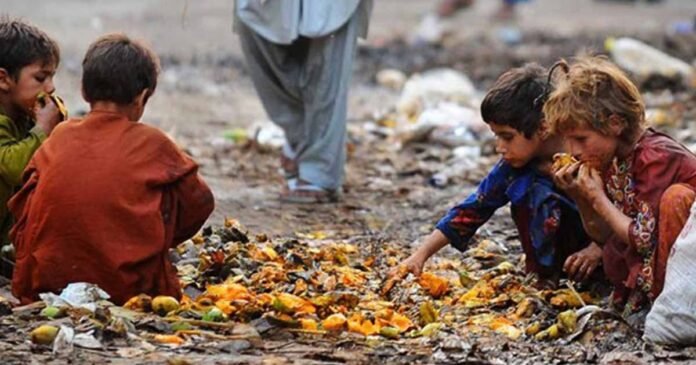
Pakistan has become good at counting its poor. It has not become good at helping them leave poverty behind. Every year brings surveys, new indices and glossy reports, and every year the poor remain where they were. A hard question must be asked: are we helping the poor, or have we built an industry that lives on their poverty?
Poverty statistics have become a growth business. The incentives reward higher numbers, not better data. A high poverty figure justifies more aid, more programmes, more consultancies and more jobs for those who study the poor. Methodology is weak, scrutiny is thin, and the same reports circulate from one conference to the next with new covers and old conclusions. Measurement has become an end in itself.
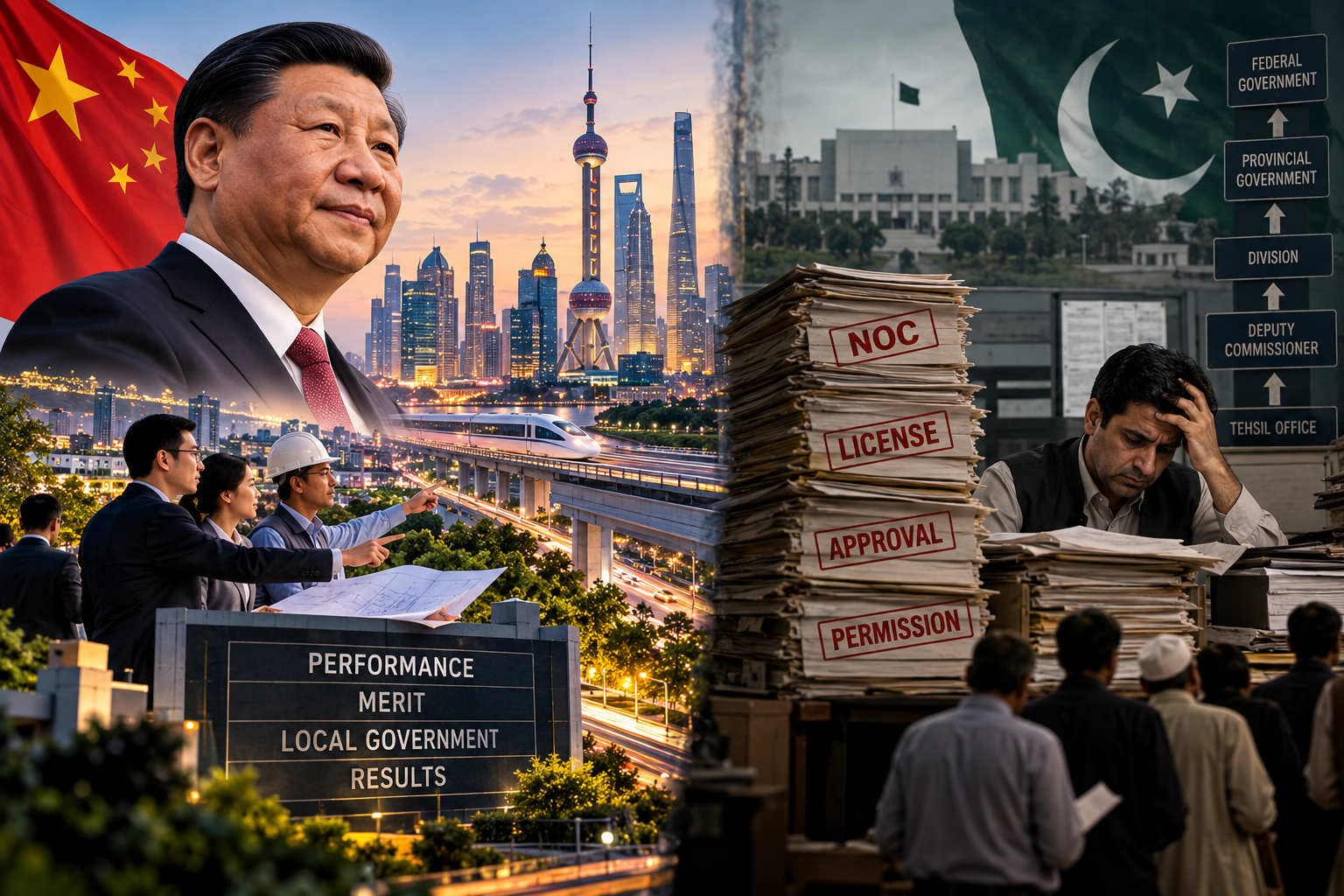
Meanwhile, the real barriers go unstudied. Most economists in Pakistan do little serious research on the institutions that keep people trapped. Consider the civil service, a colonial bureaucracy designed to control rather than enable. Consider the sludge in financial markets: the rules, frictions and paperwork that stop citizens from borrowing, saving and building assets. Consider the street vendor chased away by municipal staff, or the small trader strangled by licences, inspections and petty extortion. These are not side issues. They are the machinery of poverty itself.
Cash transfers and social protection matter. They keep families afloat in hard times, and no decent state should abandon them. But a lifeline is not a ladder. Transfers ease suffering. They do not create a path out of it.
Pakistan does not need another poverty report. It needs honest data, independent scrutiny and the courage to reform the institutions and rules that shape opportunity. Fix the bureaucracy. Clear the financial sludge. Free the small entrepreneur. Until then, we are not ending poverty. We are managing it, measuring it and, quietly, profiting from it.
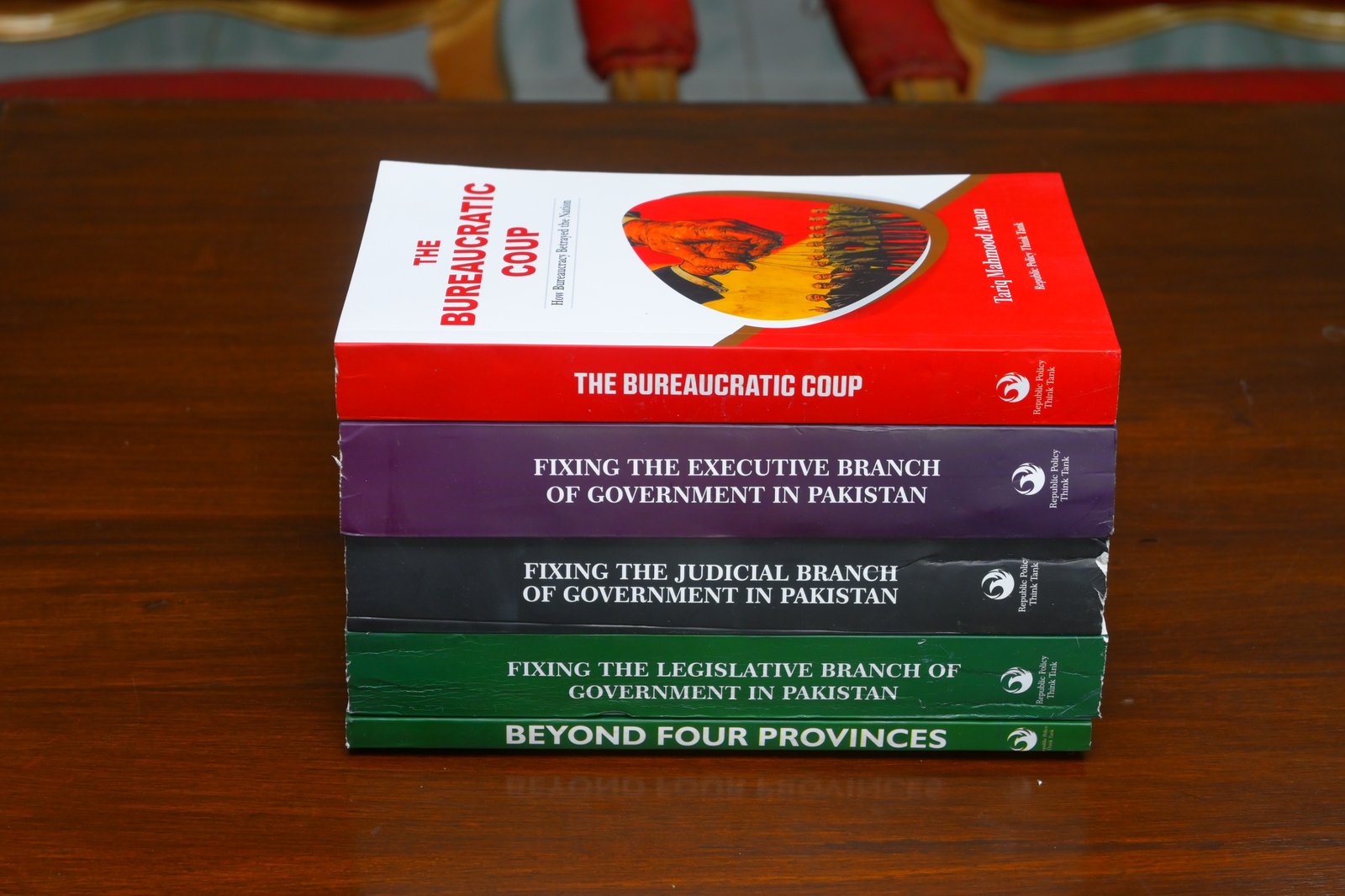
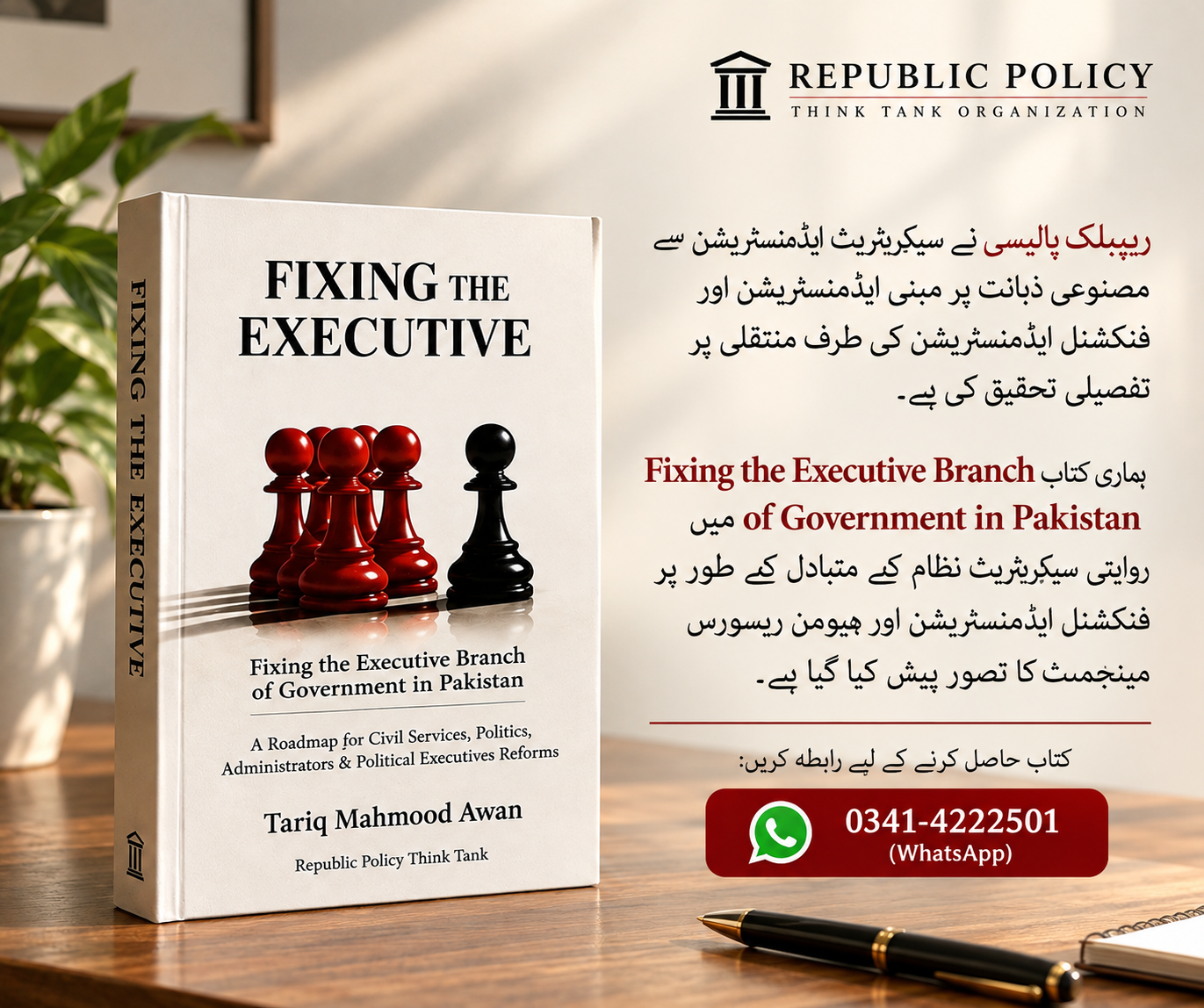
The best-selling books of Republic Policy Think Tank, including the landmark book The Bureaucratic Coup, are available at Vanguard Books, Liberty Books, Readings, Kitab Sarai, Sang-e-Meel, Saeed Book Bank Islamabad, National Book Foundation, and others across Pakistan. Contact for home delivery: +92 341 4222501.